
The zip on one of my tents has been sticking and jumping teeth. It was time to clean and lubricate it.

Three Points of the Compass has just returned from hiking the Laugavegur and Fimmvörðuháls Trails in Iceland. This is a volcanic trail with strong winds and I frequently found fine ash and cinders blown in to my shelter after pitching. While it was a simple enough task to shake or brush off a quilt or clothing, this fine material worked it’s way into the tent’s zip and I soon found myself struggling to both open and close the vestibule door. The zip often jammed, eventually jumping a few teeth when forced. I tried shaking and washing the offending debris clear with water from my bottle, but this was largely ineffective. An emergency short-term measure ‘in the field’ can be to rub a zip with a candle, but the zip needs to be properly cleaned first, and I didn’t have a candle! Having returned home, it was time to properly address the situation.
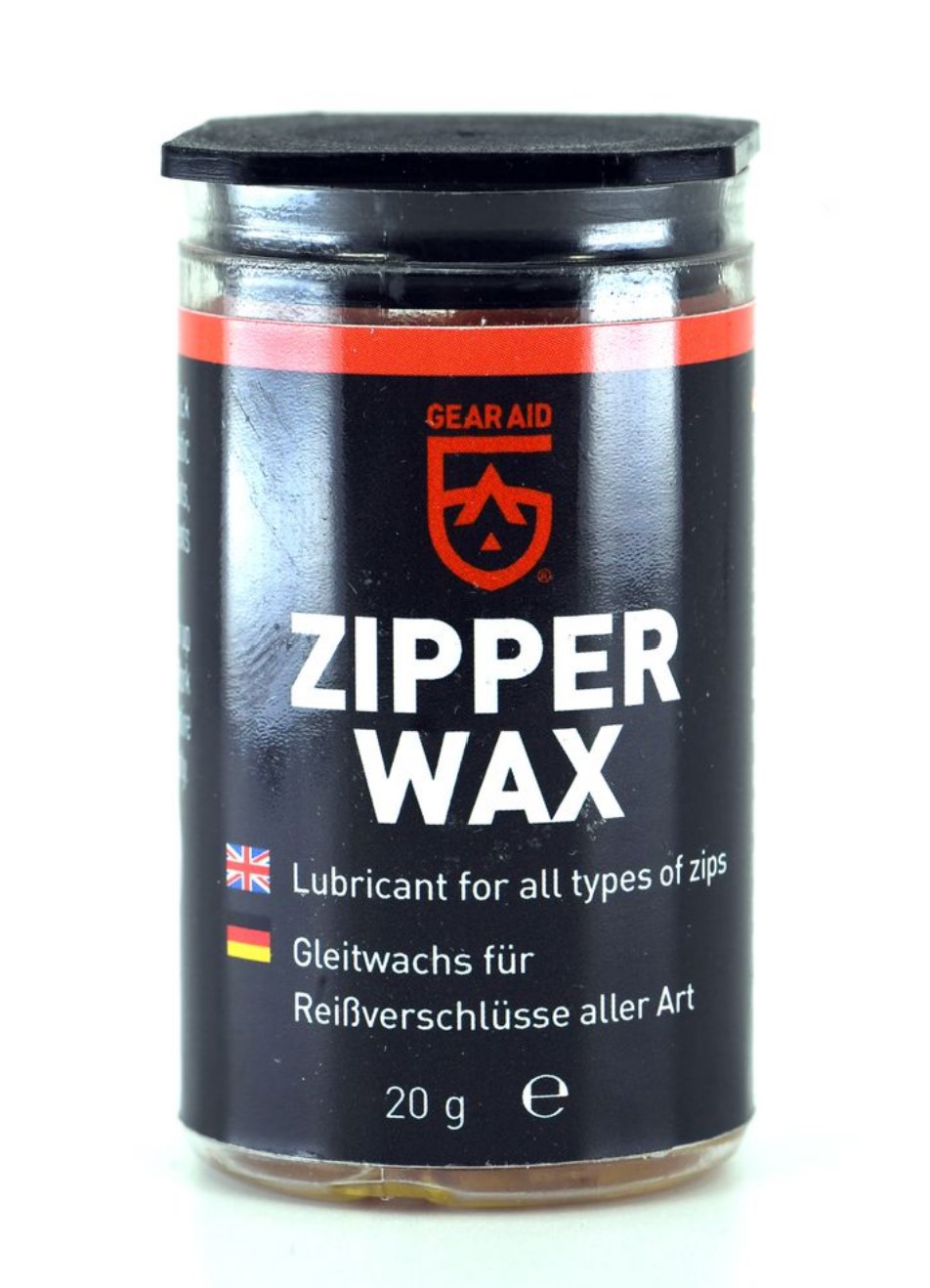
The first thing to do was order a new bottle of Zipper Lubricant. Made by Gear Aid, this market leading product is the most easily available and there is probably no need to look further. Originally called Zip Care, and made in the USA, it can be used on just about any zip you have on your outdoor gear- tents, sleeping bags, packs, clothing, coil, plastic, nylon and metal zippers. I am unsure what it is actually made of as no ingredients are included on the bottle or packaging. Though I know it doesn’t include any silicone or paraffin wax.
It is pretty runny stuff and can drip everywhere if not careful, or even if careful. It dries non-sticky so after a while, the tent can be packed away until next use. There is quite a bit of lubricant in a bottle and the brush can be wiped clean after use and the bottle packed away to be used again as necessary.


The bottle’s applicator includes a brush that can be used to clean the zip prior to applying the lubricant. However I preferred to wash and scrub the zip first, then allow it to thoroughly dry, before again wiping down with a paper towel, then brushing the zip with the shaped brush on the applicator. The cap on the applicator nozzle is then pulled out to allow the lubricant to exit a central hole in the cap. While applying, this runs down the bristles of the brush and works its way into the zipper teeth. So it works best if applying with bottle inverted.

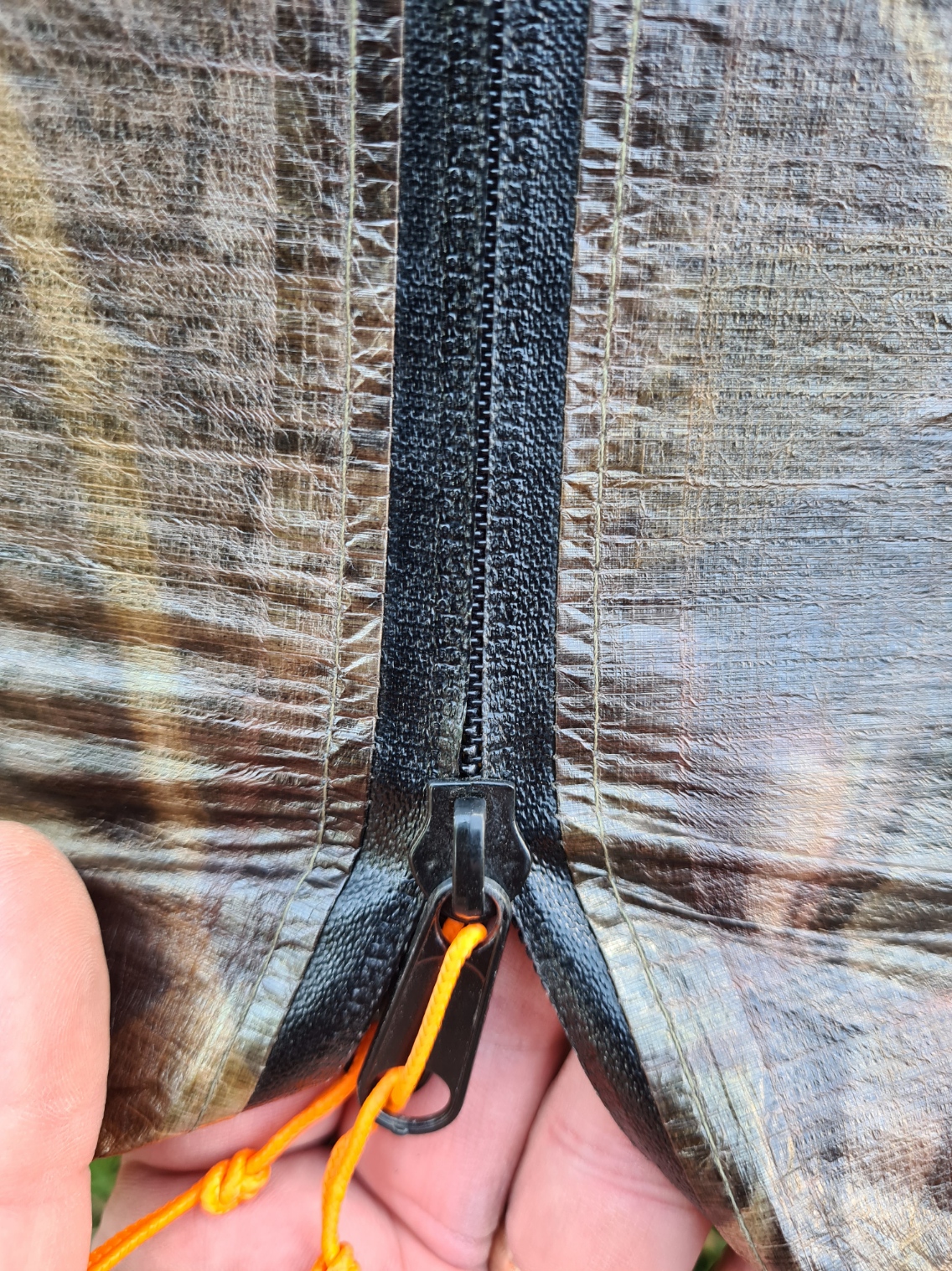

Some small items of gear would be easy to work on over a table, however a shelter ideally needs to be erected first. This allows the zip to be properly cleaned and worked on along its length, ideally under tension too. It was my Duomid from MLD that was proving problematic but the same procedure can be used for any zip. I chose a dry day, hot enough to dry moisture, and put the tent up in my garden. Dry brushing the zip and working it fully open. I then washed it clean. Using water under pressure from a hose, brushing and wiping dust and debris clear. I left the zip open and allowed it to air dry for a couple of hours, also wiping any moisture clear with a paper towel.


There is no need to over do the use of the lubricant. It is pretty runny anyway, and should be used sparingly and excess wiped of with a paper towel. Once the lubricant is applied both inside and out of the tent’s zip, the zip is opened and closed multiple times to properly spread the lubricant across the zip teeth. It is possible to follow up this process with a block stick zip lubricant, but I didn’t bother as the zips on all my shelters will be cleaned and have the liquid lube applied as a pre-winter gear care task. I simply allowed everything to dry off for another half an hour, checked the zip was working OK, and packed the tent away.
and that, was that.

 Three Points of the Compass
Great article as my tents / cagoules usually end up being thrown away due to zip problems. Must get my tent out to lubricate the zip before my next trip!
John
LikeLiked by 1 person
It is probably best to do as I have now done, write a ‘to do- zip care’ date into the calendar
LikeLike