
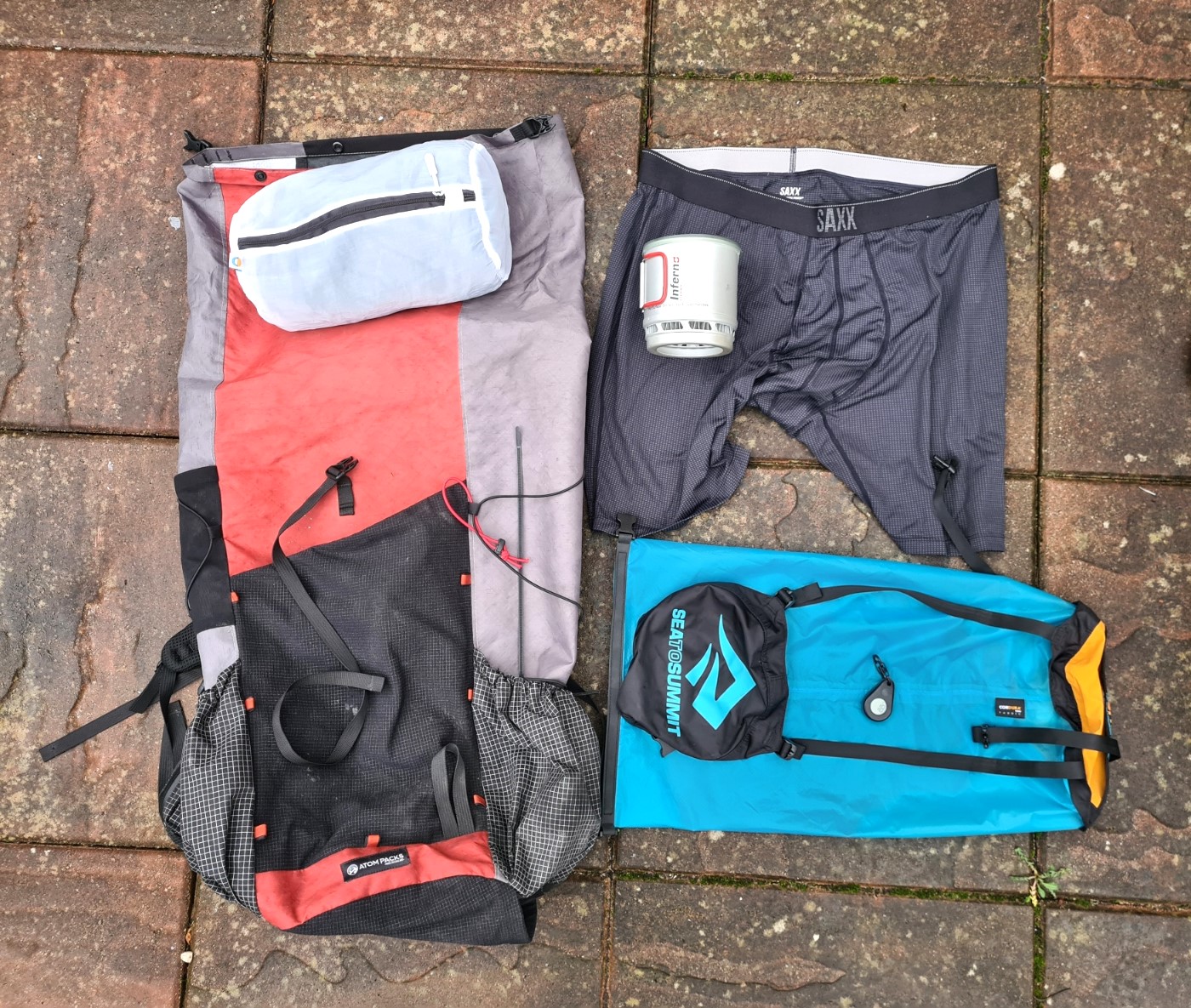
As 2024 rolls to an end, it is time for the Three Points of the Compass annual retrospective of five items of gear that were especially appreciated on longer trails.
For the sake of this exercise, I continue to include apparel/clothing as ‘gear’, which is just as well as there have been some stand out items of clothing this year that have made my multi-day backpacking excursions just that little bit more comfortable. One or two ‘honourable mentions’ may have snuck their way on to the list too.
Atom Packs Mo:
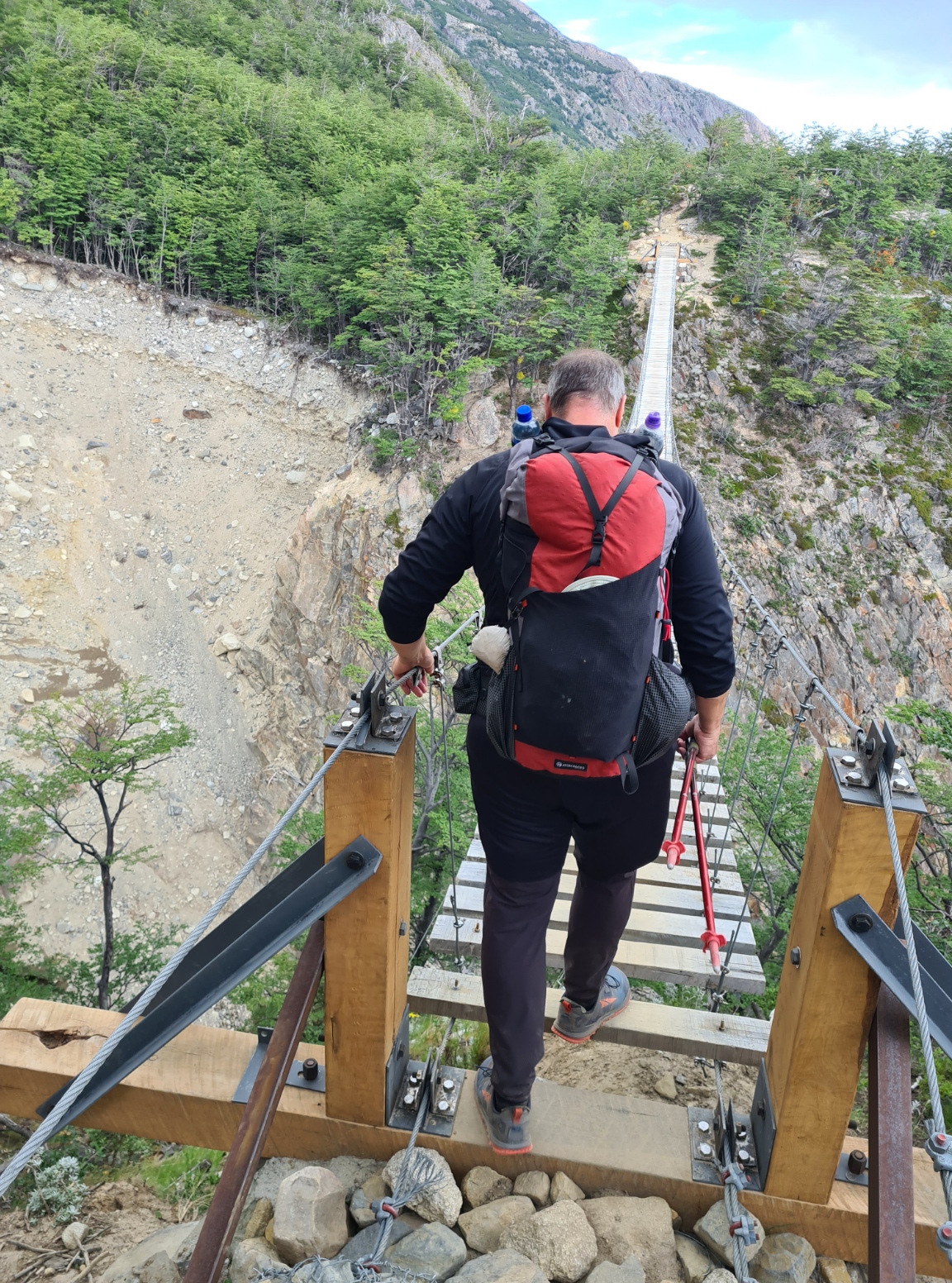
My Gossamer Gear G4-20 pack previously featured as a favourite item of gear in 2023 but that has now been usurped as I committed to an expensive purchase at the start of 2024. Travelling north to Scotland prior to backpacking the Skye Trail I stopped in at the Atom Packs workshop in the English Lake District to be measured up for a custom made Atom Packs Mo (a model since renamed the Prospector). The staff were extremely friendly, helpful, and knowledgeable, but that would count as little if the product had ultimately disappointed. There can be a danger that paying for an expensive piece of gear then requires an internal falsehood over just how good that gear is. However I am truly happy with just how well designed and carefully made my pack is and have used it on every multi-day backpacking excursion since receiving it.
My 1059g custom Mo is comfortable to wear and is the exact size that I want. Due to the customisation, it features everything I want and nothing I don’t. It has proved to be mostly waterproof, and durable over wet days on sometimes overgrown trails on both the Coast to Coast and Glyndŵr’s Way National Trails. Ostensibly a 60lt capacity, the increased volume from the extra neck length was essential when loading it with nine days of food for Greenland’s Arctic Circle Trail.
There is no airframe providing an air flow between pack and back and I can get a sweaty back as a result. But I also suffered from that with my Osprey packs, which have one of the best ‘off the back’ suspension systems available. I seldom noticed the Mo on my back over frequently challenging terrain on the ‘O’ Circuit in Chile’s South Patagonia National Park but, as with any pack, the ferocious Patagonian winds would pick up the bulk of a pack and push and pull me around, and I was often grateful for a close fitting pack at times. Despite a tear in the small mesh ‘avocado pocket’ on one side, caused by an overhanging branch, the pack’s build quality is exceptional and I expect many hundreds, if not thousands, of trail miles from it. As said, it was expensive, but only because I went for the bespoke version. Almost identical ‘off-the-shelf’ Atom packs are a lot cheaper, if not so personalised.
Gear talk: a visit to Atom Packs
ThermoDrop thermometer:
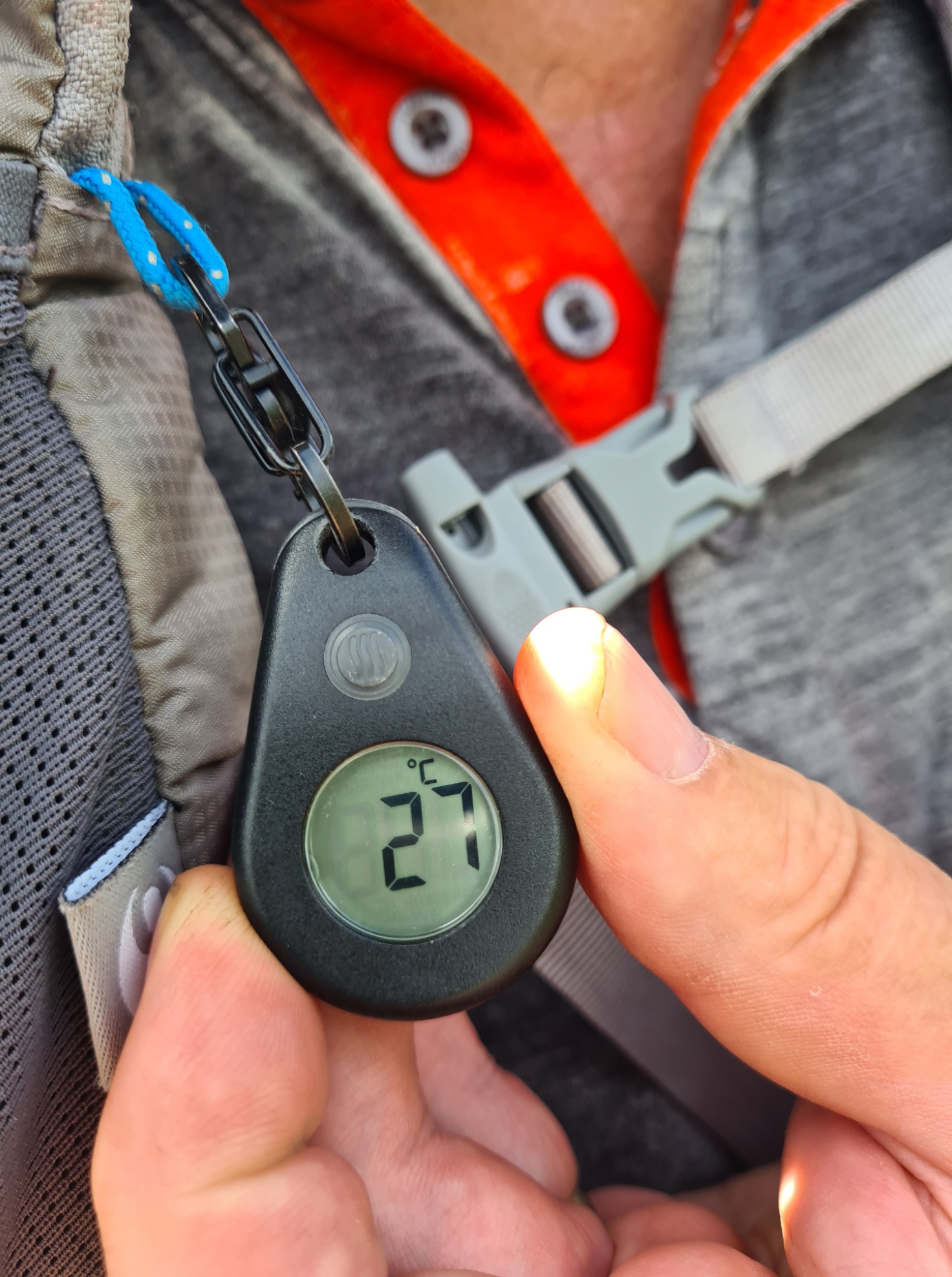
The little ThermoDrop zipper pull thermometer replaced my Oria SensorBlue Keychain Thermometer Hygrometer in 2023 as I preferred the simpler interface and capability of the ThermoDrop and it has been carried on every walk I have done in 2024. It simply works. It displays the temperature and, well, that is about it! The ThermoDrop is simple to set up in preferred units; °C or °F, and the display self-orientates to be easily read depending on which way up it is held. There is also a back-light when wondering just how cold it has dropped to in the small hours. I have to remember to switch it off and back on each evening if I want to reset to a max/min reading for the night, but that is no hardship. The only failure has been when the battery exhausted on one longer trip because I forgot to change it out prior to leaving home. Because battery life is so long- the tiny CR2025 battery gives a purported 4000 hour life (166 days), forgetting to replace this is fairly easily done. The ThermoDrop is attached to either my packs shoulder strap or (preferably) my chest pack, it weighs a scant 18.5g including a small locking S-Biner that replaced the fastener that came with the thermometer. The ThermoDrop wasn’t a cheap purchase but looks as though it will last me a few years and I cannot see myself changing from this handy little instrument in the near future.
Senchi Designs Alpha 90 Hoodie with half-zip:
Polartec developed their open weave Alpha material, what they termed ‘Active Insulation’, specifically for US Special Forces operating in the cold mountain areas of Afghanistan. A lightweight material was required that could not only act as an insulating mid layer, but also permit quick dumping of excess heat during times of heavy exertion. It is constructed from lofted knitted fibres connected to a breathable open weave layer. Needless to say it quickly crossed over to lightweight backpacking as it ticked a lot of the boxes there.
US manufacturer Senchi Designs were probably the first to make Alpha Direct layers for the outdoor industry but other smaller and possibly more flexible cottage companies soon followed.
While it can be worn as it is, for best breathability, it can also be worn as a layering system, perhaps with a thin windshirt over it. This will then provide additional protection to the fabric while maximising heat retention. Polartec Alpha Direct is a second generation Polartec Alpha with increased durability that doesn’t require a backing material, so provides improved ventilation, but it remains a vulnerable material and has to be mollycoddled a little. It is in no way suited to bashing through vegetation and will snag, pull and hole. Many users, and especially those complaining loudest about its fragility, seem to have not understood how best to use the material.
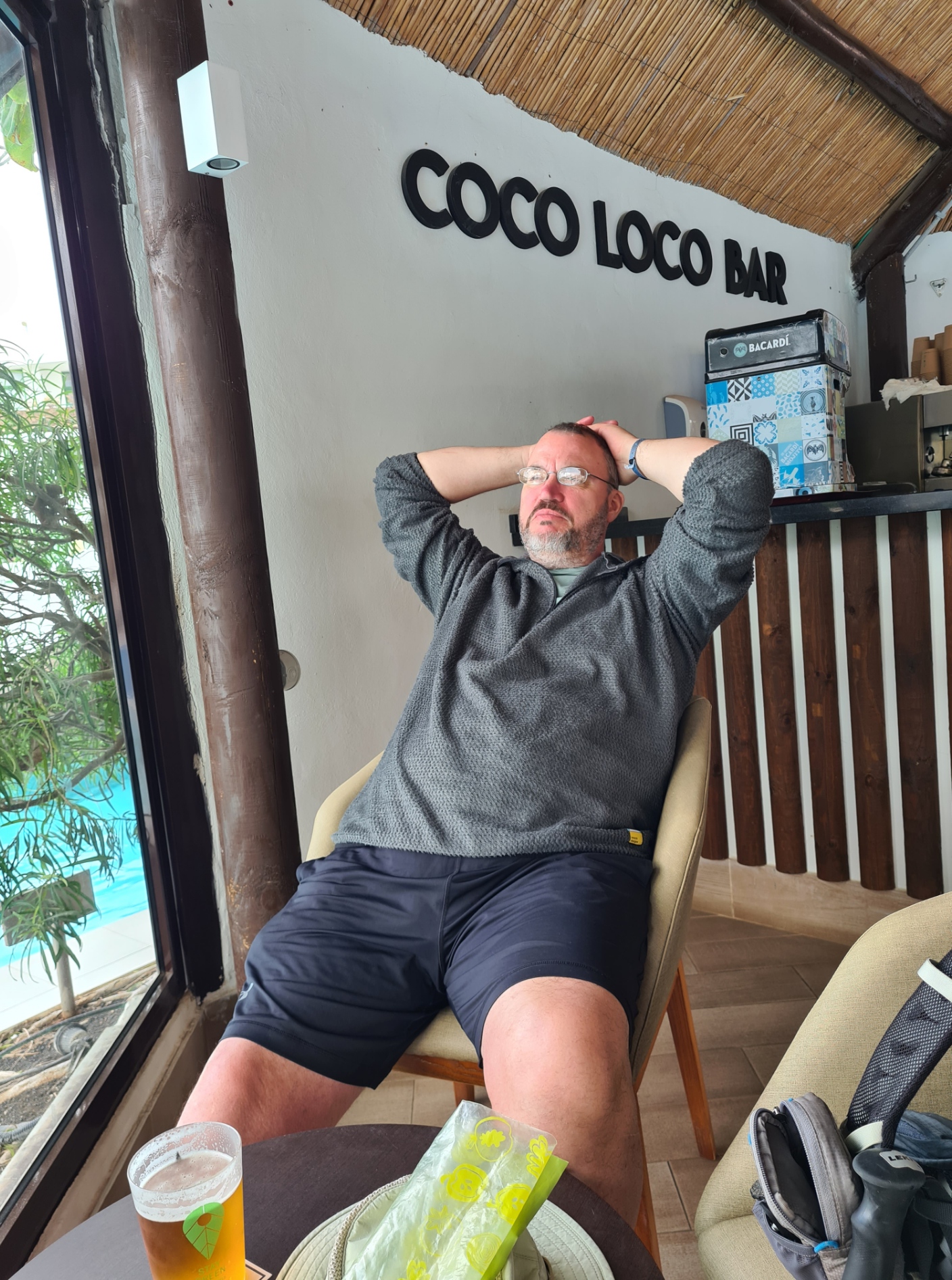
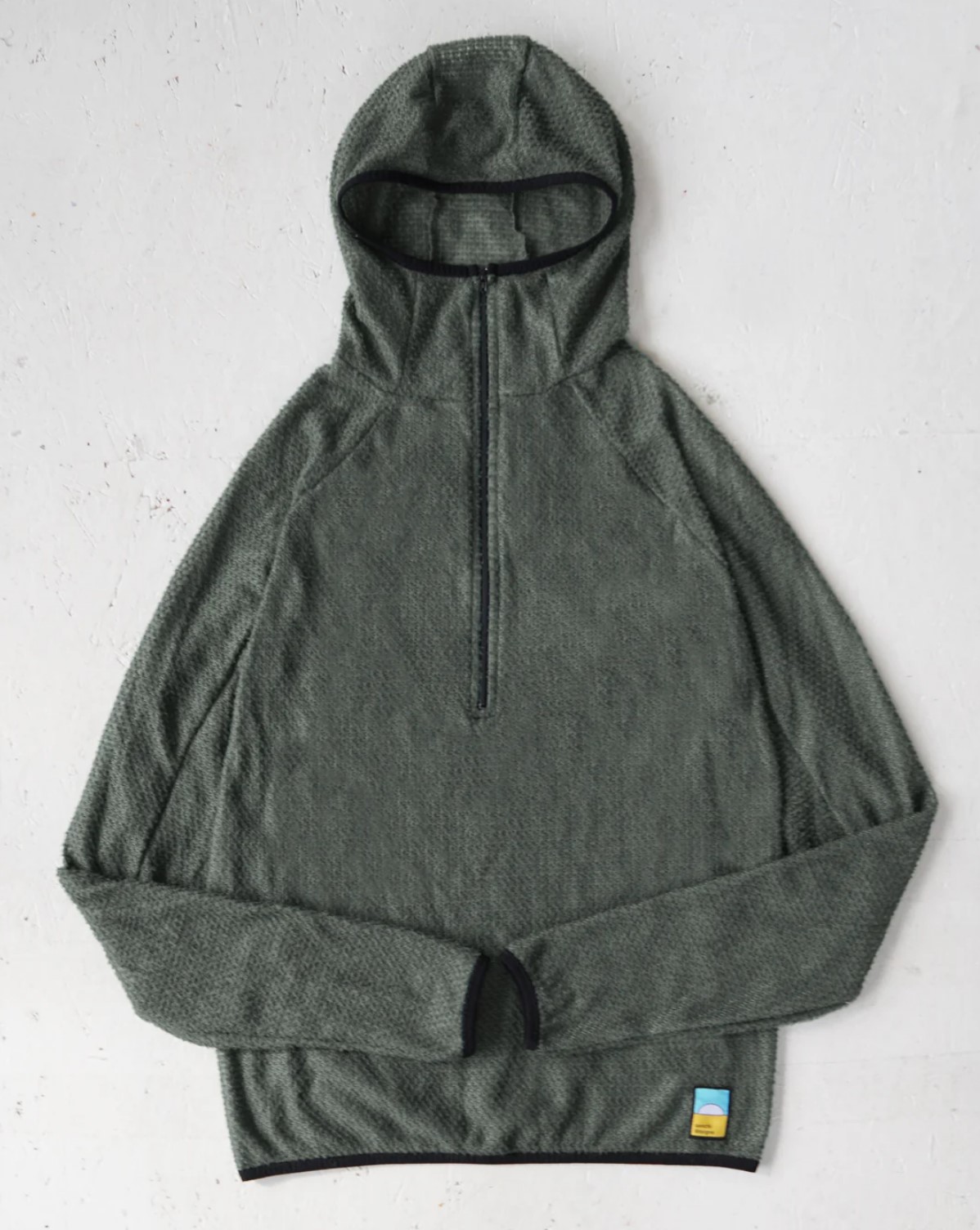
While there are a handful of manufacturers releasing Alpha products in the UK and wider Europe, it was a Senchi product that appealed to me most and I purchased their Alpha 90 Hoodie with half-zip. Unit cost was £77, but I took advantage of a 10% discount to reduce this to £69.30. With £18 shipping, the 173g hoody cost me £87.30, which I think a reasonable cost. Other than the material, there were various features that attracted me- looser fit, elasticated hem and cuffs, and a deep zip for rapid dumping of heat. It is very comfortable to wear and usually gets pulled on in the evening and morning, prior to hiking. It seems to be a product living up to the hype regarding its high performance to low weight ratio. This lightweight hydrophobic material dries fast and will remain a market pinnacle for some time, that is until a more robust alternative comes along.
Despite its advantages, a big downside is the susceptibility to damage from snagging. This stuff loathes Velcro for example and many new users promptly reported their frequent repairs to holes. A protective covering goes a long way to stopping the material snagging on vegetation. I have found that while it will snag and pull, the material isn’t quite as vulnerable as some naysayers would try and convince us. But perhaps I need a few more years with Alpha products to properly ascertain how they will hold up. The old tough Malden Mill fleeces of yore could really take a battering, this isn’t going to happen with Alpha. Development of Alpha Direct will no doubt continue in an attempt to answer the snagging issue and extreme care when washing requirements. My Senchi hoodie came supplied with its own dedicated zipper wash bag and it is advised to wash it in this to both protect the fabric and lessen the release of microplastics. I leave this wash bag at home and simply stuff it in with any other clothes I am carrying on trail.
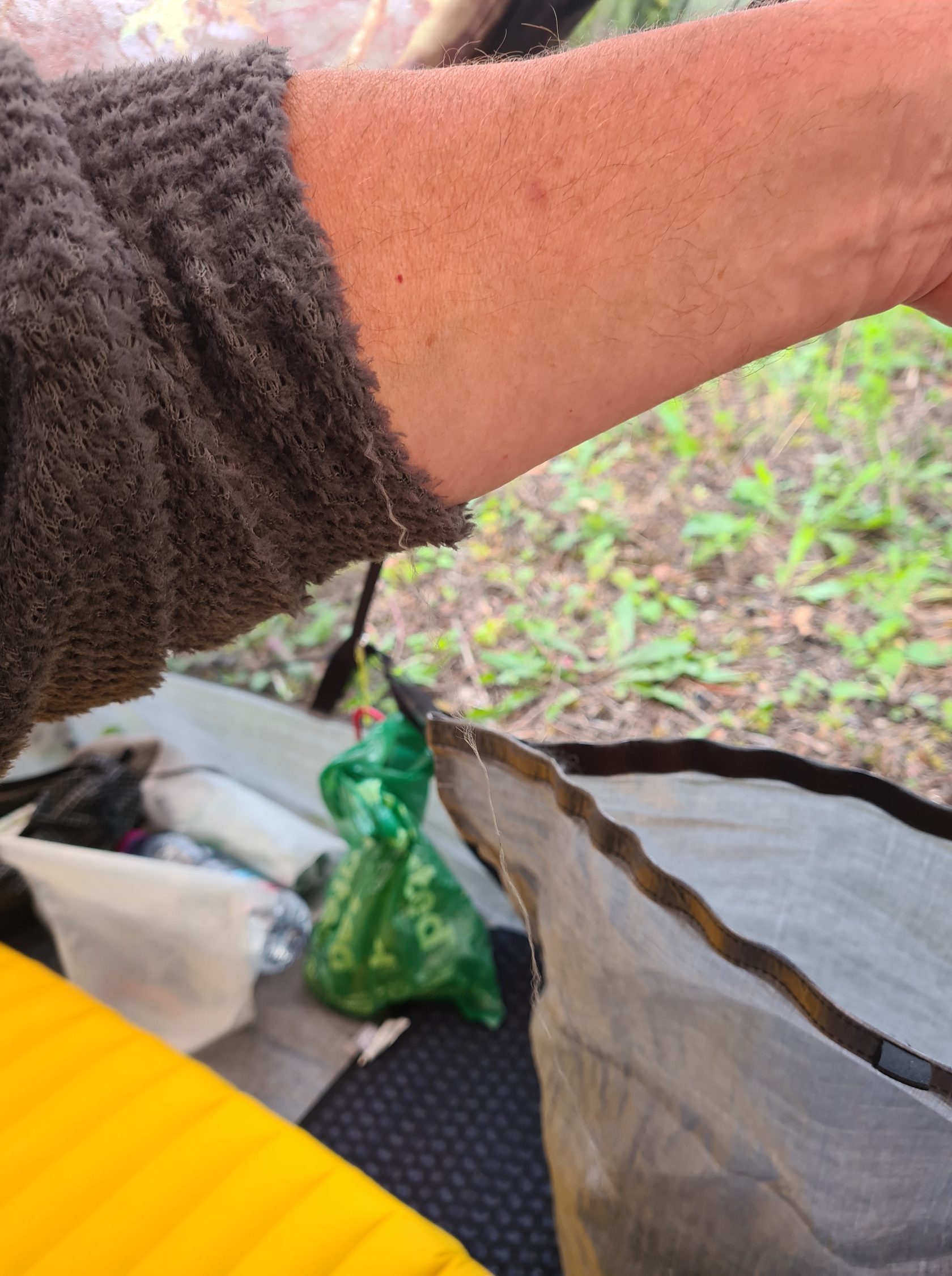
So impressed was I with my Senchi Hoodie that I purchased a Senchi Alpha 90 Crewneck with Half Zip thinking it would knock off quite a few grams with no hood, however this came in at just 2 grams less, so I continued including the original hoodie in my gear lists for all of my trips in 2024. I also purchased Alpha Direct 60gsm Camp Pants and 90gsm Camp Socks from FarPointe Outdoor Gear for use as sleep layers, more on those in a post to follow.
SAXX Quest Quick Dry Mesh Long Boxer Brief:
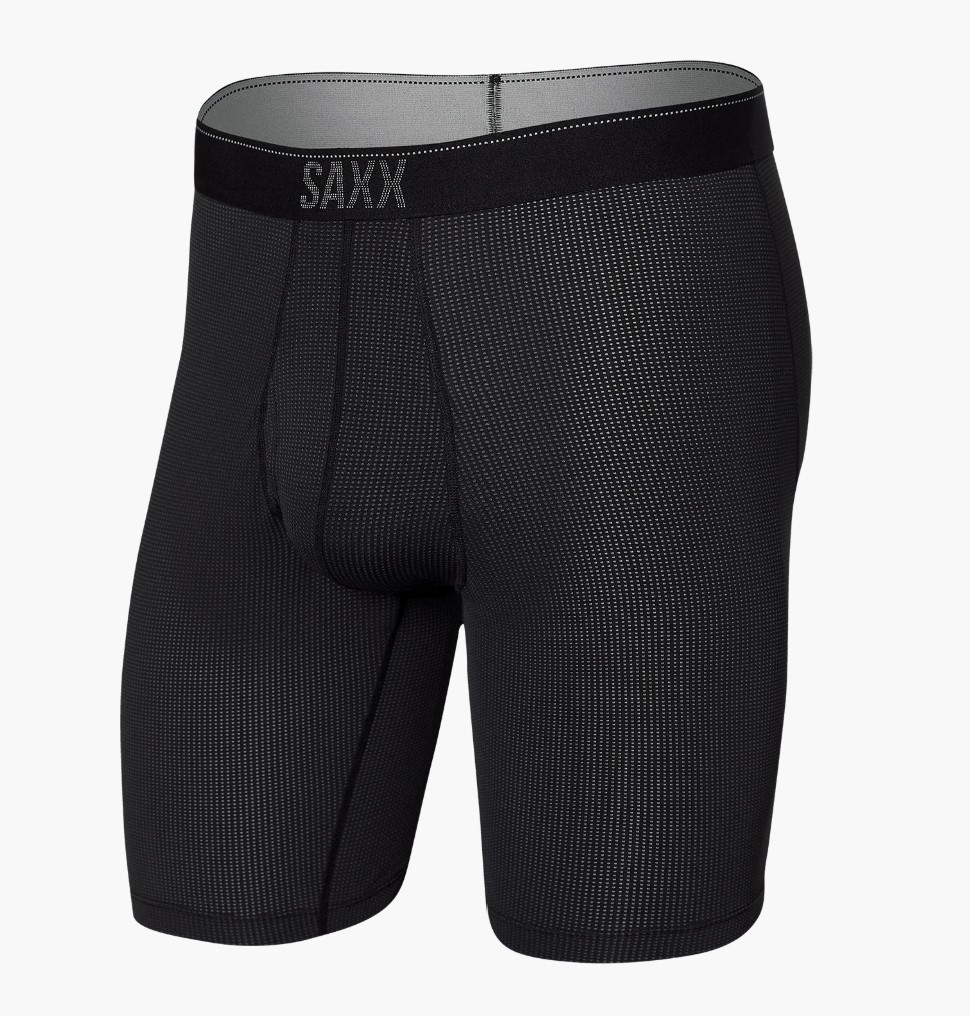
I have tried various skiddies from a number of manufacturers over the years. While I prefer merino for the stink-free qualities, I have found merino simply wears out too quickly, so have had to settle for synthetic. I also prefer longer inseams to counter between-the-thigh chaffing and like as much airflow as possible to keep things cool ‘down there’ and aid quicker drying. I have used ExOfficio Men’s Give-N-Go Sport Mesh 9″ Boxer Briefs for the past few years and while they have proved fairly durable they haven’t excelled in the comfort stakes. In 2023 I bought a couple of pairs of Saxx Quest Quick Dry Mesh Long Boxer Brief and they have proved to be excellent.
The Saxx briefs are durable, with an odour resisting treatment that means they don’t stink after a number of days if not washed, yet will take vigorous scrubbing and wringing when eventually shower tray or sink washed. Designed with flat seams, a wide elasticated waistband and an apparently unique ‘BallPark pouch’, they are extremely comfortable to wear. The Quest are stretchy and close fitting. Saxx sell shorter leg models but the Quick Dry Mesh Long Boxer Briefs have an 8″ inseam and tick a number of other boxes, proving cool to wear in hotter weather and are exceptionally quick to dry. I could live without the fly, but it’s presence doesn’t bother me. After a machine wash, mine still look like new. Each pair of XL weighs 102g and they have proved to be so good, and so comfortable, that I am ordering another couple of pairs, just to stash away, in case Saxx decide to discontinue them for some reason.
Sea to Summit Ultralight Evac Compression Dry Bag:
While I don’t mess around when providing adequate protection to my quilt from damp when packed inside my pack, bulk is a factor too. Keeping a sleeping bag or quilt dry is one of the most important things that any backpacker should be doing and most of my reliance is on my internal pack liner. Other than the liner, what I pack my quilt into is secondary protection from damp and I am mostly looking to keeping it compressed to a degree.
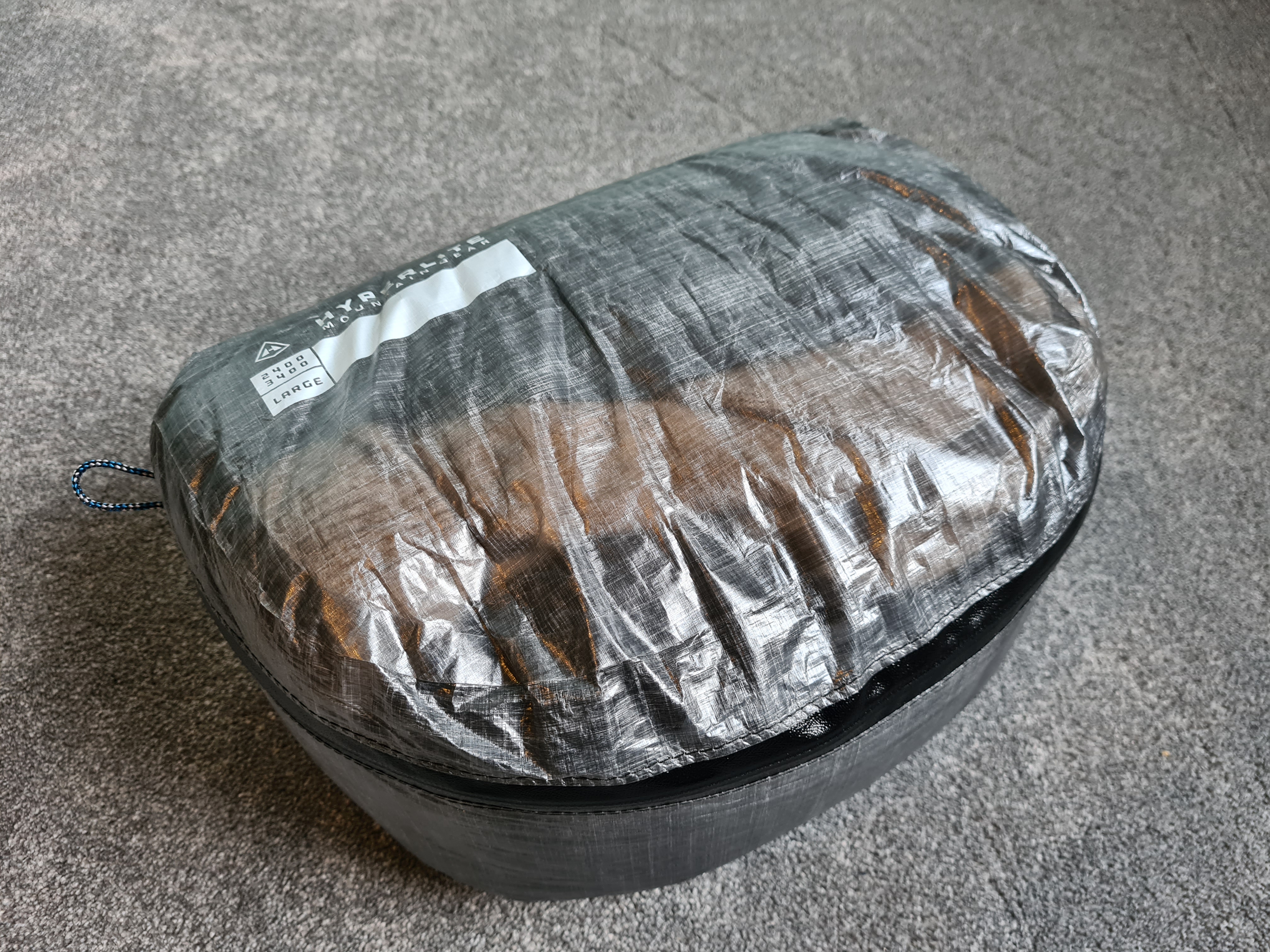
I previously relied on stuffing my quilt into a large 37g DCF Packing Pod from Hyperlite Mountain Gear. Their ‘D’ profile pods are beautifully shaped to fit inside a pack, but I eventually found that the quilt was straining the seams of the pod too much. So I switched to a 40g 14lt DCF roll top bag made by Wild Sky Gear that I originally used as a foodbag, however that could be a fight to get the quilt inside, and it didn’t fit inside my pack as well as the pod. In 2024 I changed to a 13lt capacity Ultralight Evac Compression Dry Bag. This is highly water resistant and compresses the quilt down dramatically in size. My roll top dry bag from Sea to Summit weighs 94g (2g more than the advertised weight). Beside the quilt, I also keep my dedicated sleep clothes in this. While this is quite a bit heavier than my two previous methods, it just works much better.
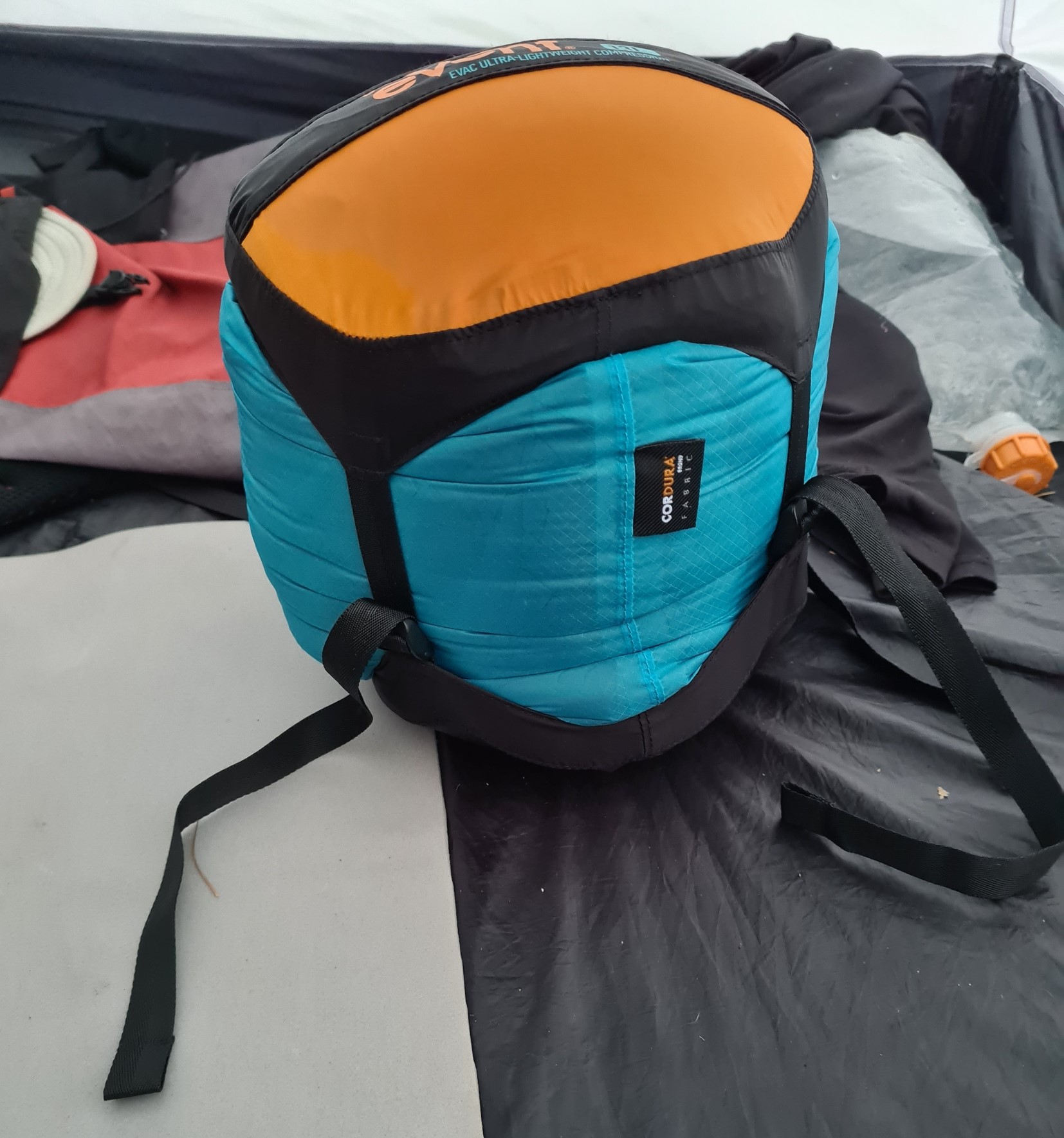
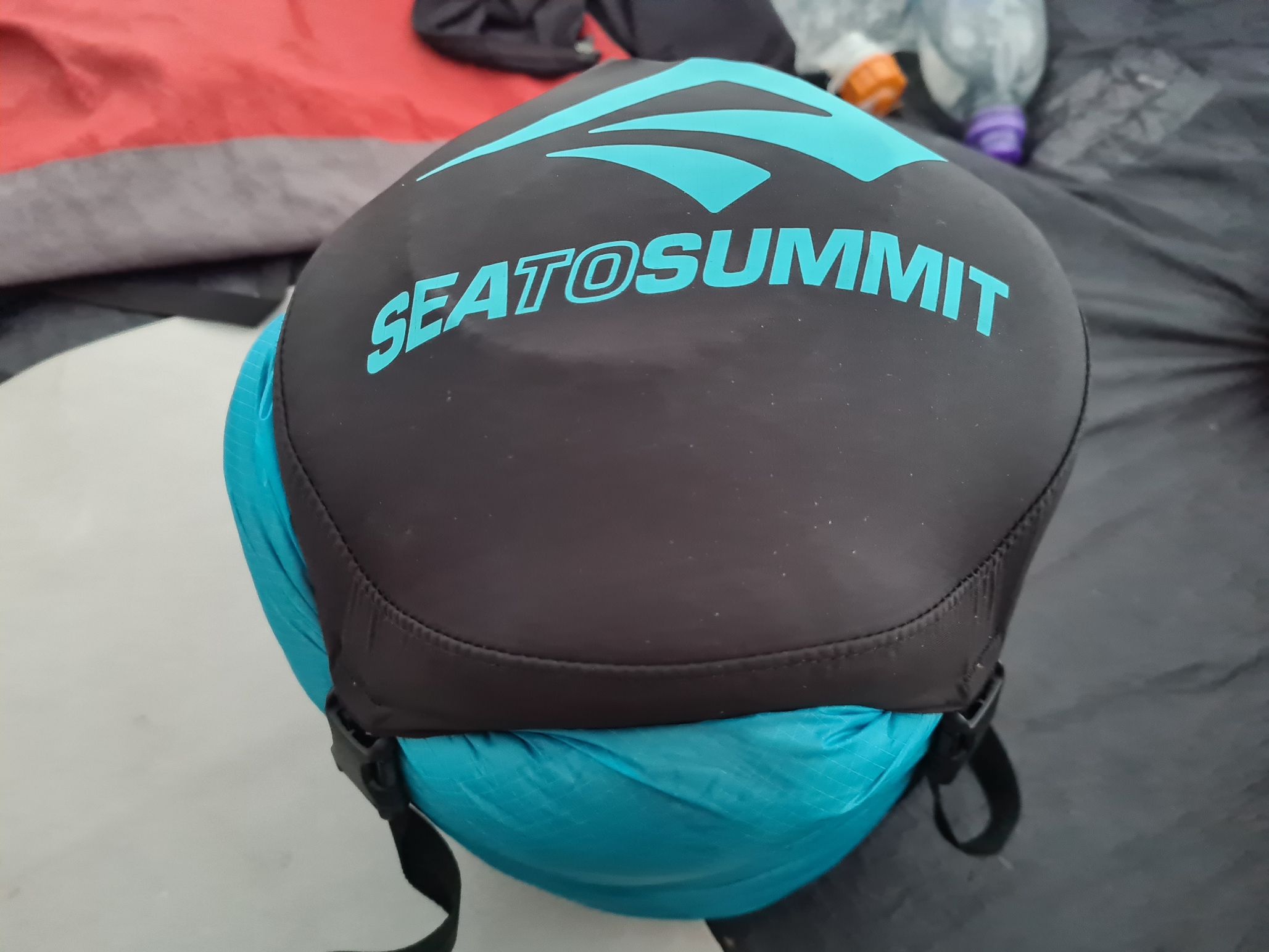
The dry bag is primarily made from lightweight Ultra-Sil 30D cordura, with an air permeable 70D eVent base, through which air can be gently squeezed when compressing.
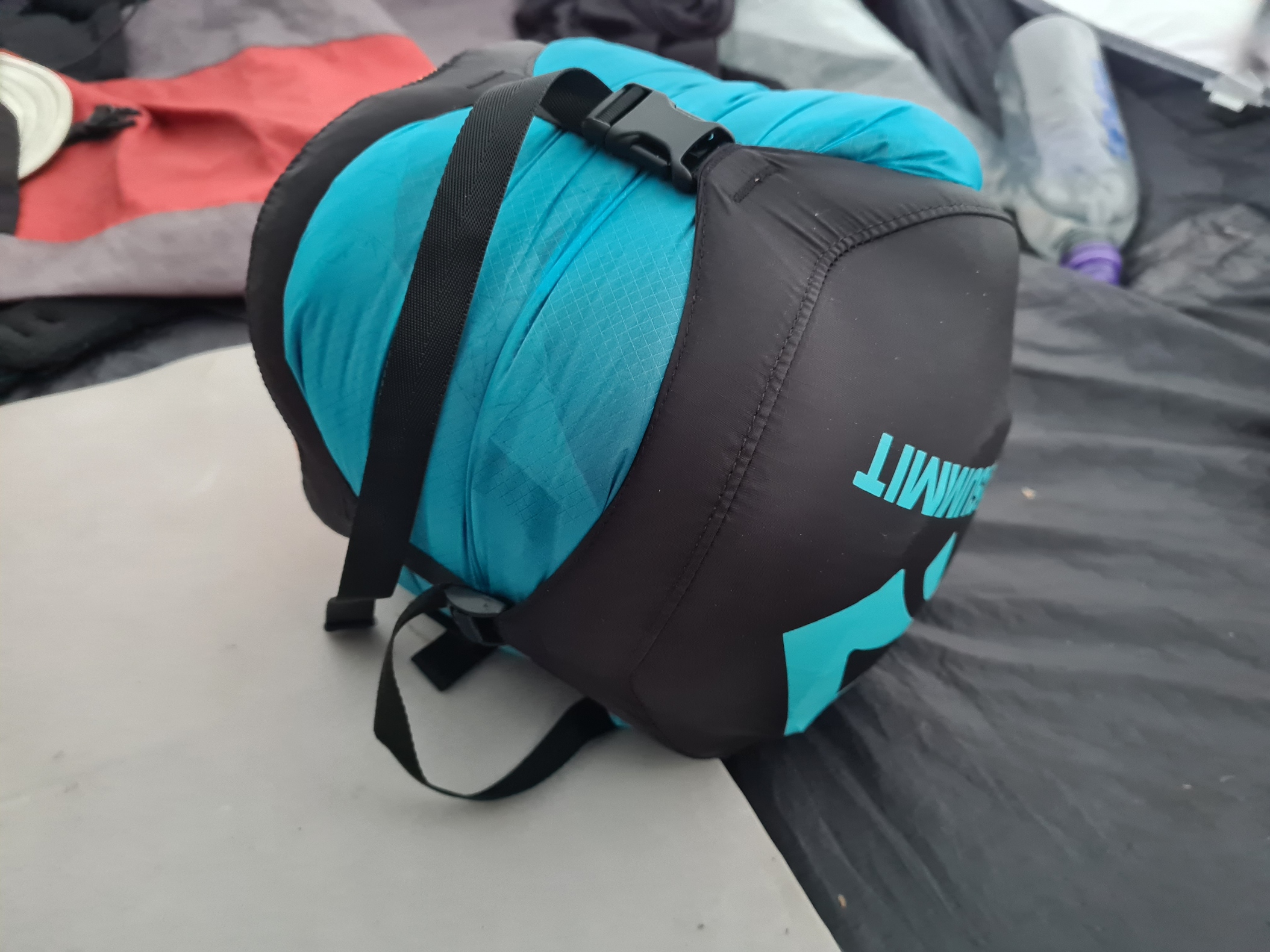
It is compressed via four decently made side straps, two attached with ladderlocks, two attached via side-release buckles. The dry bag has a DWR coating and seams are taped and it is very well made.
It is simple to use- stuff sleep clothes and quilt inside, push down a bit to compress slightly, then roll down the top three times and fasten together the two buckles. Position the panel over the closed roll top and work round the straps, tightening each in turn. It will evacuate air and compress a great deal more than I tighten it, as I don’t want to damage quilt or dry bag, and have no need to excessively tighten. The packed Sea to Summit Dry Bag isn’t the best of shapes to fit inside my pack, so is kept at the bottom, alongside my rolled Thermarest sleeping pad and I stuff a loose puffy into any crevices around the two. My HMG pod is positioned above these, holding spare clothes etc. I had a closer look at the HMG Pods in a post looking at pillow options:
Honourable mentions:
Inferno HX pot
I have been attempting to incorporate a heat exchanger pot/pan into any of my cook kits in recent years, to make things more efficient, and reduce fuel consumption. It can be difficult to achieve without a weight penalty. ALL Heat Exchanger (HX) pots are heavier and bulkier than their equivalents without a heat exchanger. I used the JetBoil Stash HX pot on the Coast to Coast National Trail and Petrel G3 HX pot on the Skye Trail but for most of my multi day hikes this year I continued to select a favourite combination for boiling water and cooking. This is based around the 121g Sterno Inferno HX pot that can hold slightly in excess of 550ml. I don’t carry the entire Sterno cook set, just the pot, combined with the conversion plate from Flat Cat Gear, the burner from a Fire Maple Hornet stove and a lid.
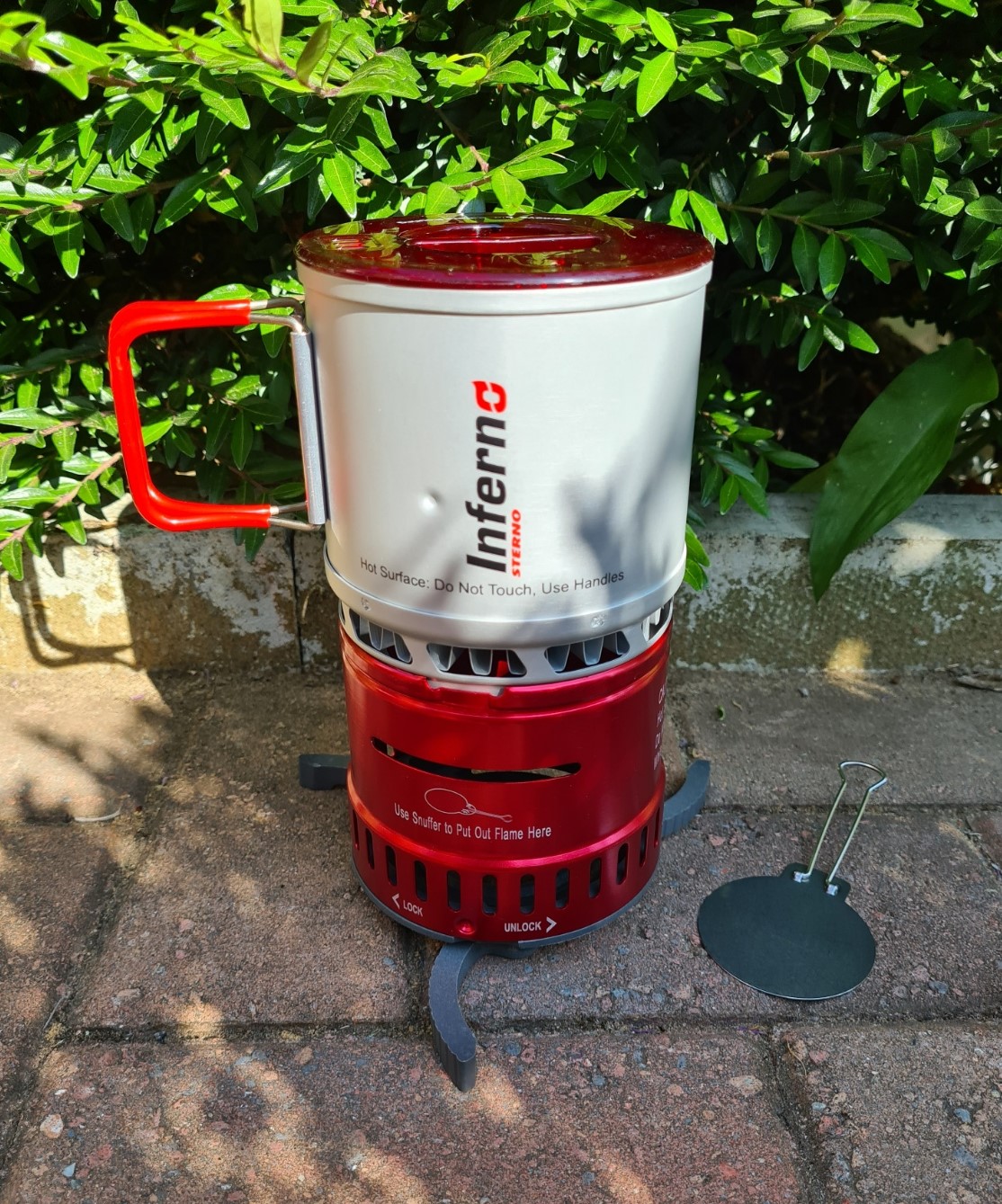
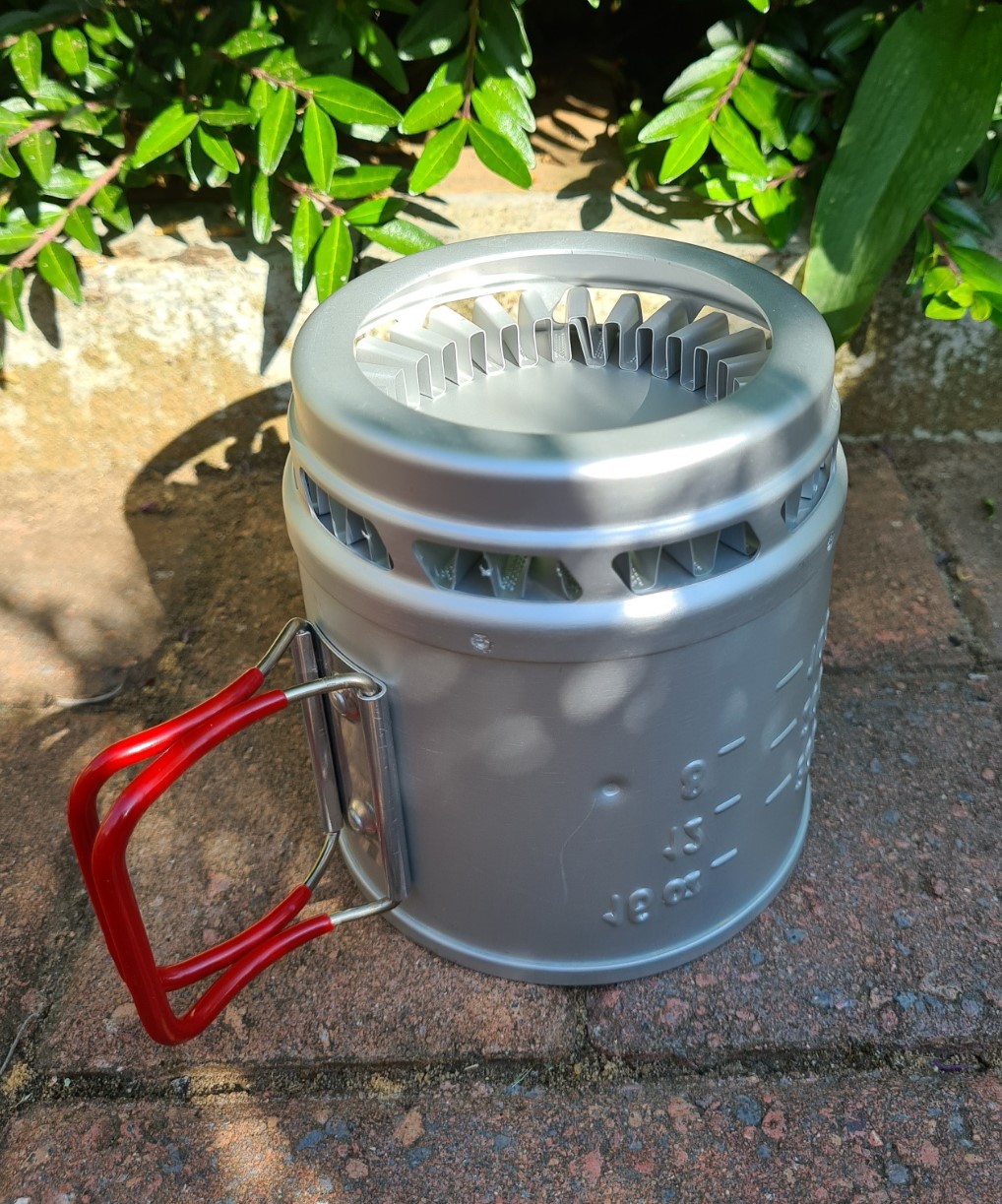
However the Inferno lid is a ridiculous piece of heavy overkill so I looked around my various stoves for a replacement. The 14.5g lid from the MSR Windburner could no doubt be improved upon but is 40g lighter than the Inferno lid and clips on well for storage, or rests on top in use, allowing a bit of through vision to keep an eye on things. Pot, lid, stove, conversion plate together weigh 206g and pack down to a reasonable size. They all work well together and the only reason I have not made it an ‘official’ favourite item of gear is because it is a bit of a mash up and the Inferno pot is long discontinued.
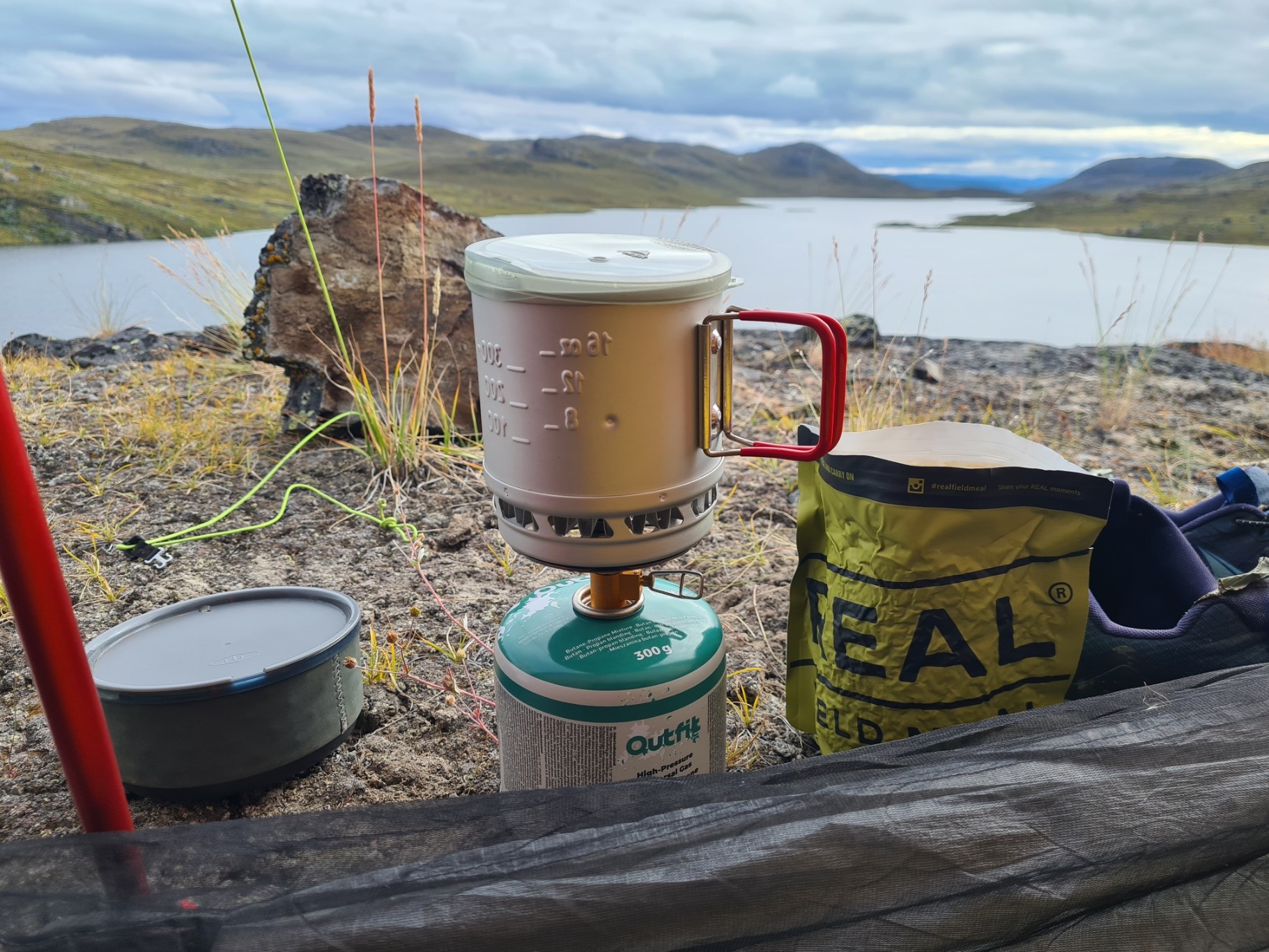
I showed the Flat Cat Gear conversion plate for use with this pot in another post:
HiiKER app.
Not a piece of gear, but I’ll include it here as an honourable mention. The HiiKER app was one of my best digital purchases in 2023 and I used it throughout 2024 on most of my hikes, both domestic and abroad, albeit only occasionally, as I prefer working from hard copy maps.

HiiKER continue to develop the Pro product, adding Harvey trail maps earlier this year. It now has full UK coverage with Ordnance Survey mapping, Harvey maps and access to over twenty maps across the UK, Europe and the United States including UK Historical, Kompass, USGS and IGN France/Spain. There are a couple of interface niggles that need sorting but I had no hesitation in renewing my Pro subscription when it fell due a few days ago, taking advantage of a decent sale price at the time.
And that’s it. As you can see, I continue to slowly refine my gear choices. Looking to make my backpacking just that little bit more efficient, perhaps a little lighter, perhaps a little easier. Using older products where they remain amongst the best, though also experimenting with newer ideas or materials as they pop up. I am often late to the party with fabrics such as Alpha, as I prefer to watch from the sidelines while other backpackers make their assessment and product refinements possibly follow. I completely missed out on Shake Dry for example as it was withdrawn before I ever used it. None of these items of gear shown above are intended to instruct you as to what you should use. They simply track a few changes and preferences that I have experienced in 2024. It isn’t about gear after all, it is about getting out and enjoying life.

 Three Points of the Compass
1 reply »