A day of promise- fine weather, water meadows, iron age construction, medieval paintings, polo ponies, and not forgetting, tea and cakes in a church.
Goring to Watlington. 15 miles/24 km:
After yesterday’s almost constant wet weather, it is very different today. It dawned bright and not a hint of rain in the sky. That’ll do! We both slept many hours and I was up at 6.15 to, as usual, make the teas for us both. It is another fairly long day so we requested the earliest breakfast that Rose was comfortable in providing, at 7.30.
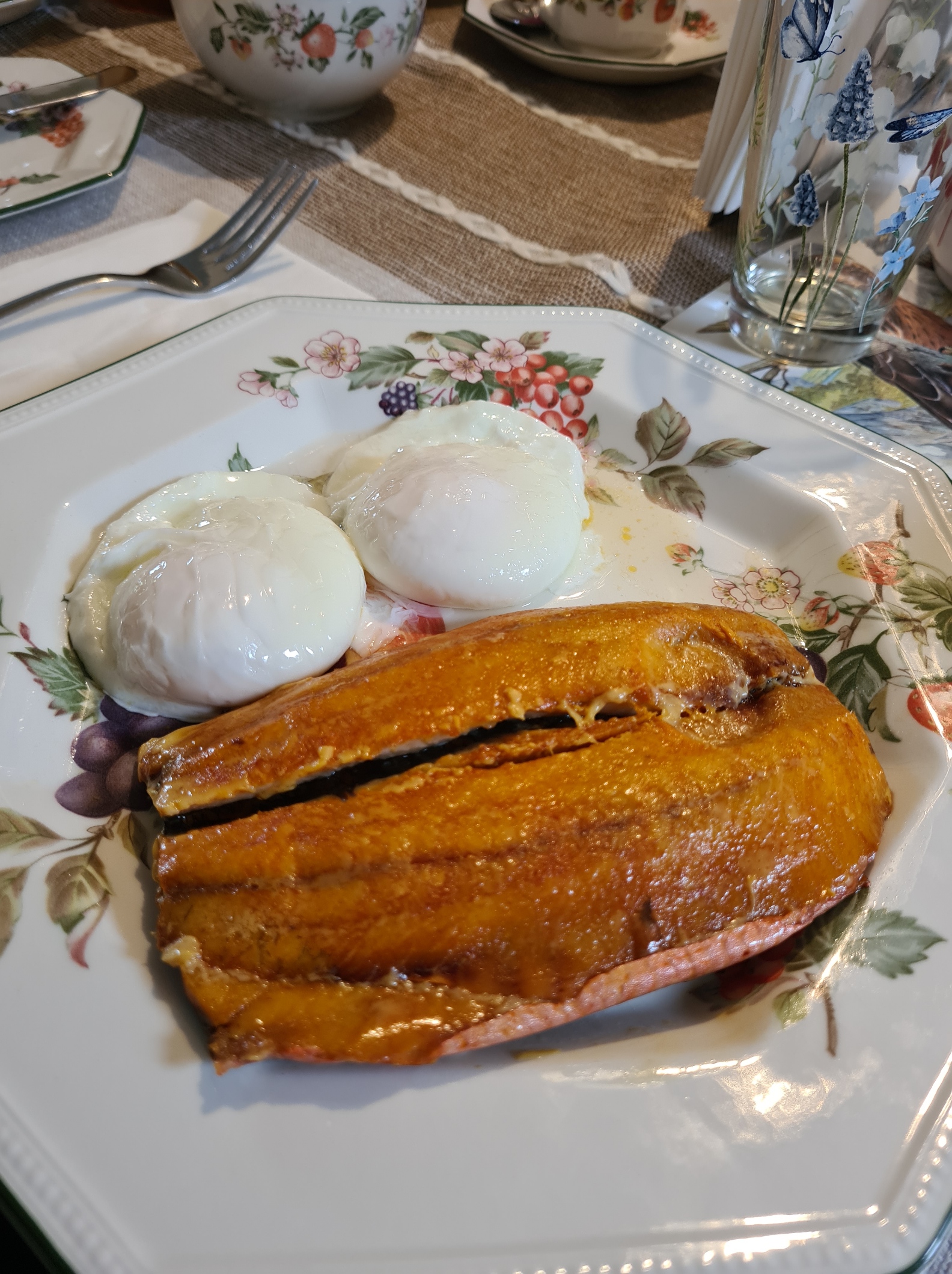
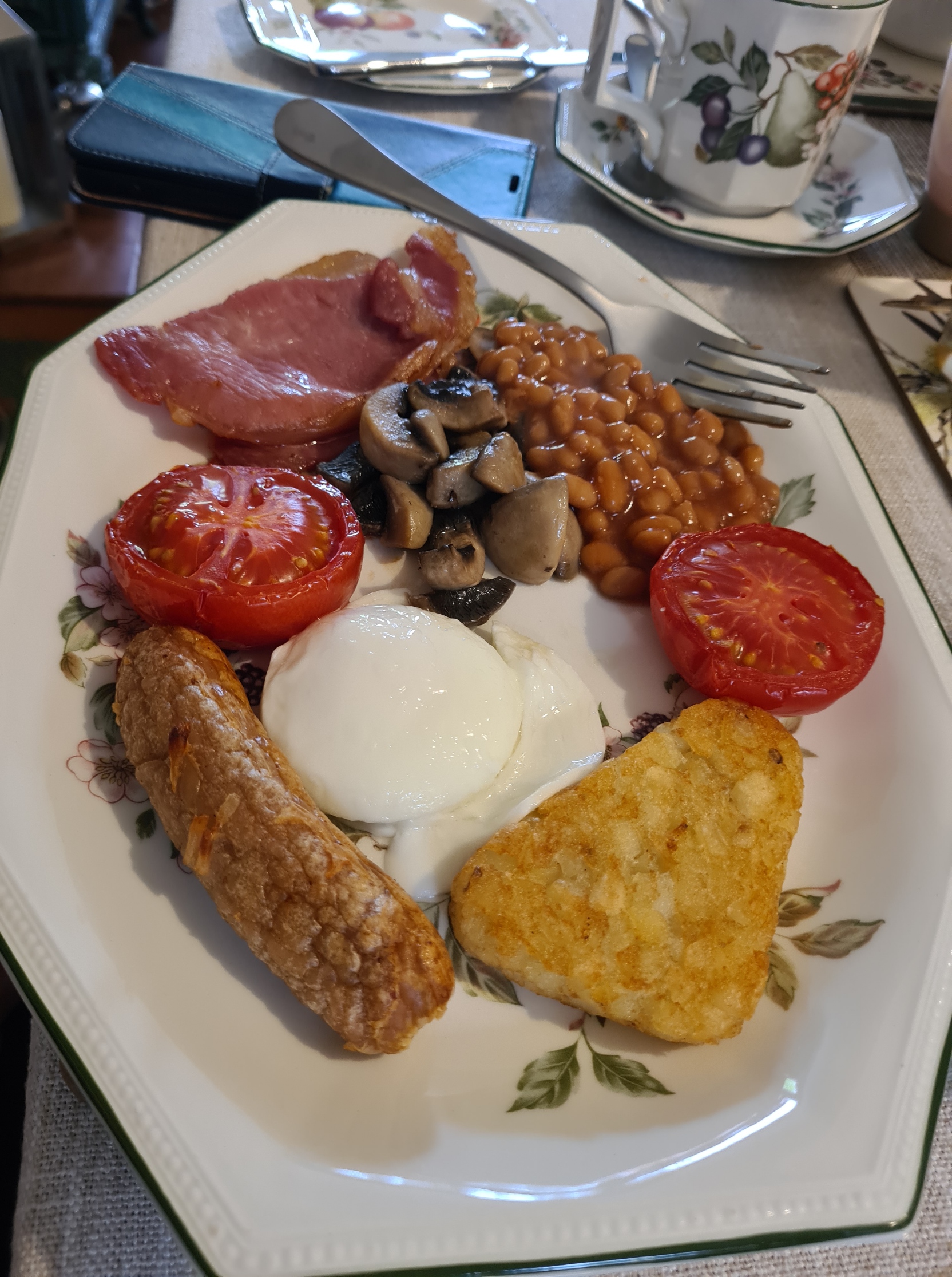
Much as I like the occasional Full English, I don’t want one every morning, but it is the most common option on an accommodation-to-accommodation trail, but I have lucked out again, with kippers and poached eggs this morning. Mrs Three Points has no such hang-ups and opted for the full fat version. The two of us also working our way through enough tea to float a flotilla, alongside half a loaf of toast.
Most wet clothes had dried overnight and the shoes and insoles were retrieved from on top of the kitchen Aga, now dry. It looked like we were setting off back on trail a good deal drier than when we had dripped our way in to Melrose Cottage yesterday. Cases wheeled into the hallway for later collection, heartfelt thanks to Joan and we were away at 8.15.
It was around half a kilometre walk back into Goring and back down to the River Thames to rejoin the Ridgeway, concurrent with the Thames Path National Trail for a short distance. There is a weir in the Thames here. It is astonishing that years ago, the practice was to build up a head of water, and boats would ride the released flow over and down the weir. I could almost appreciate that goods boats would do this out of necessity, but passenger boats did it too. in 1634 a boat carrying passengers shot the weir, turned over and 60 people died. It is unsurprising that calls were made for a lock to be built.
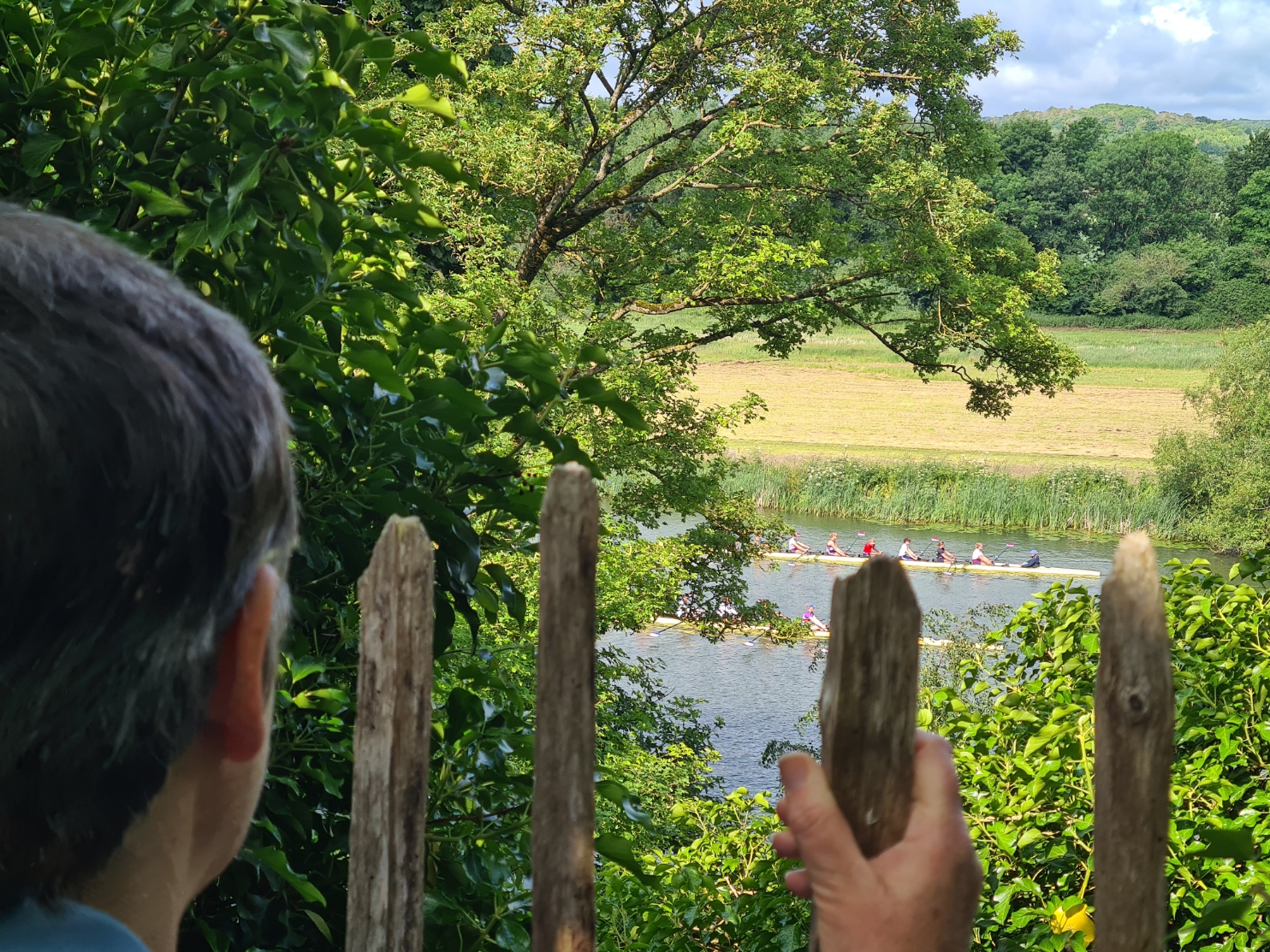
Today, it wasn’t ‘risking-it river traffic’ out on the Thames, but instead, quite a few Four’s and Eights were out, both female and male teams, all looking very fit and very capable. Some boats just had a cox chastising/encouraging the rowers, others had a shouty man on a motorboat following close in their wake.
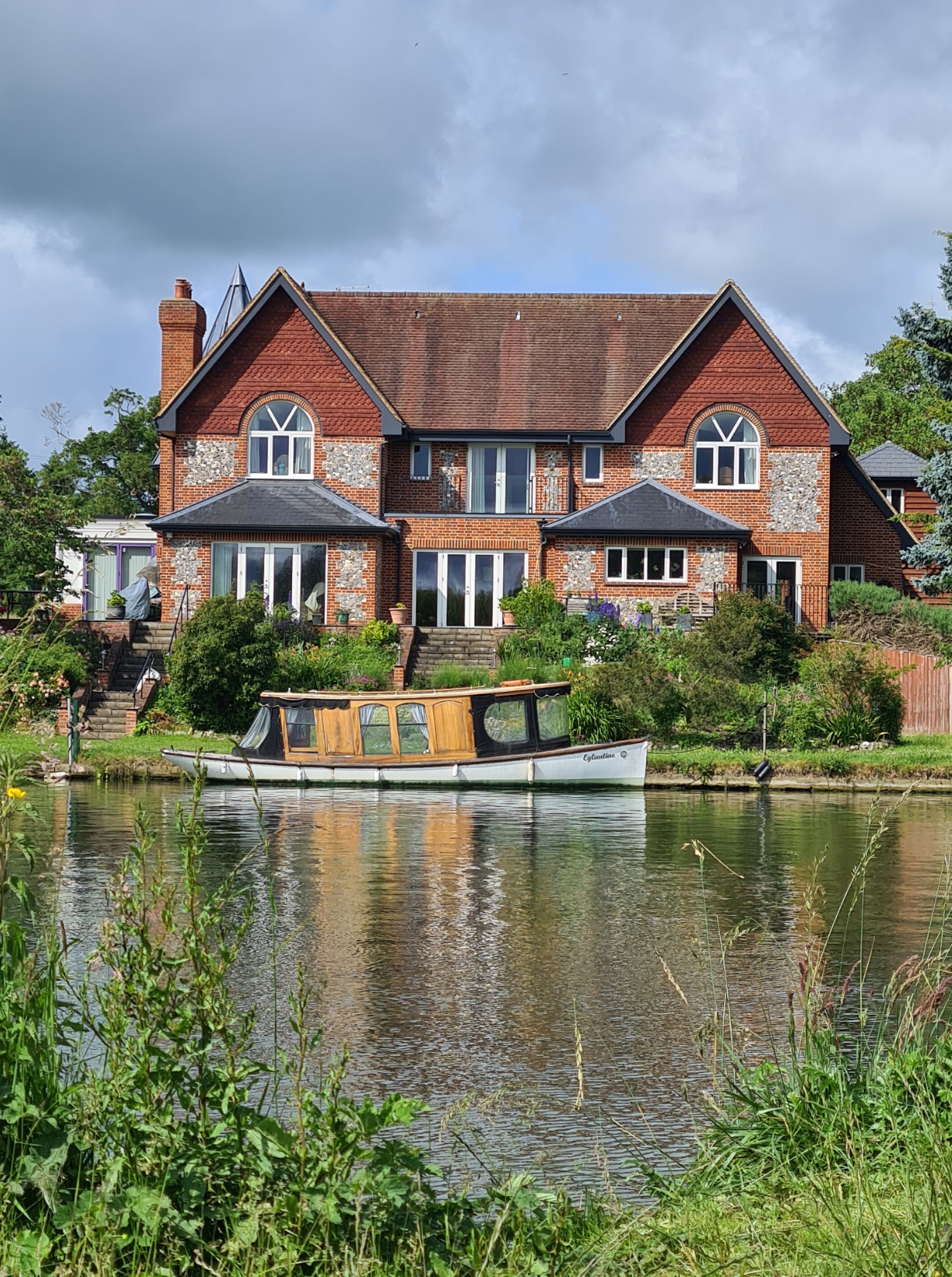
Leading us away from Goring, our path first took us above, below and alongside what I would guess must be amongst the most expensive of riverside properties in the country. Some were very smart looking residences with prime positions. Most with their own private mooring, usually complete with equally as expensive looking boats.
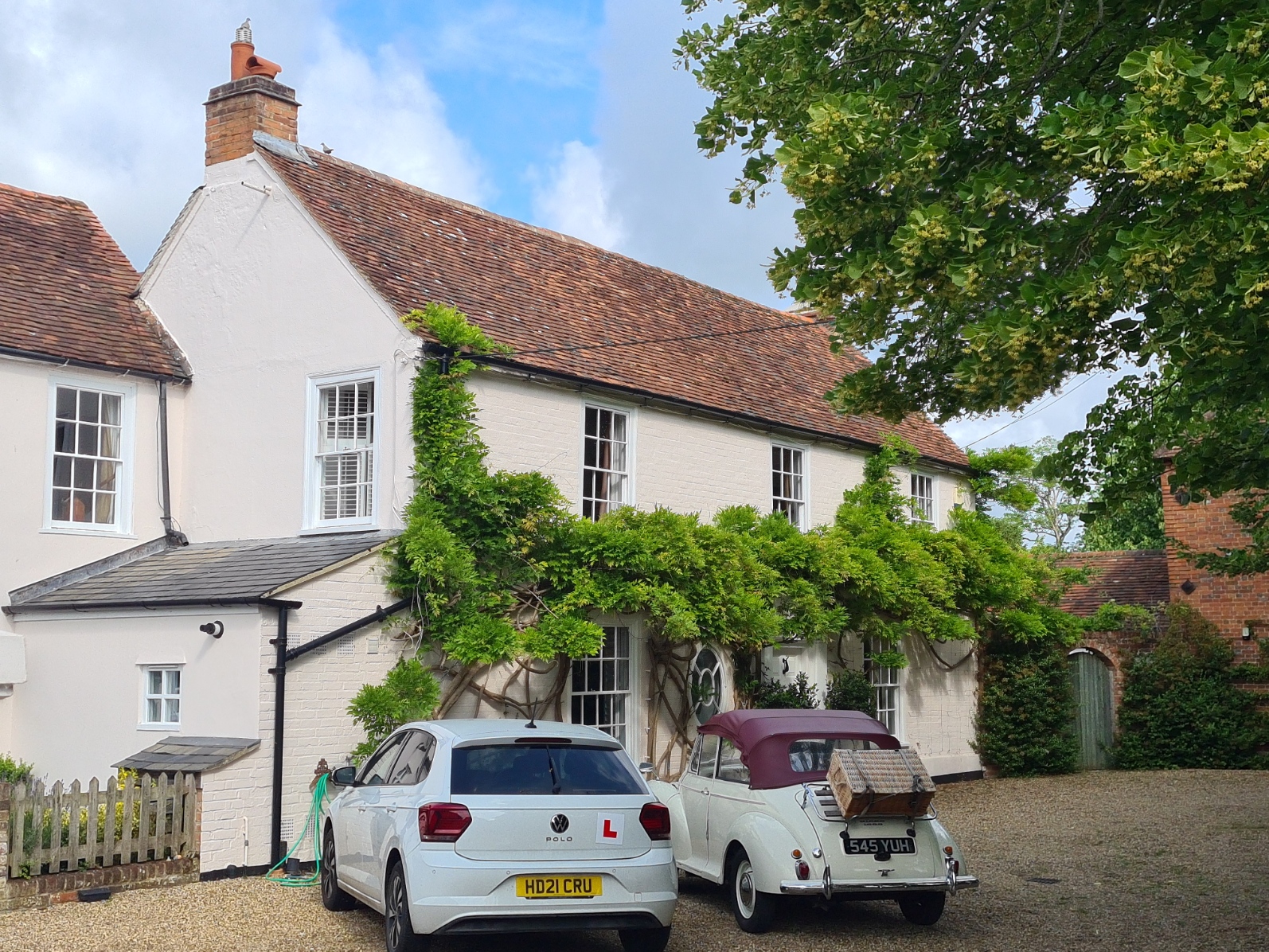
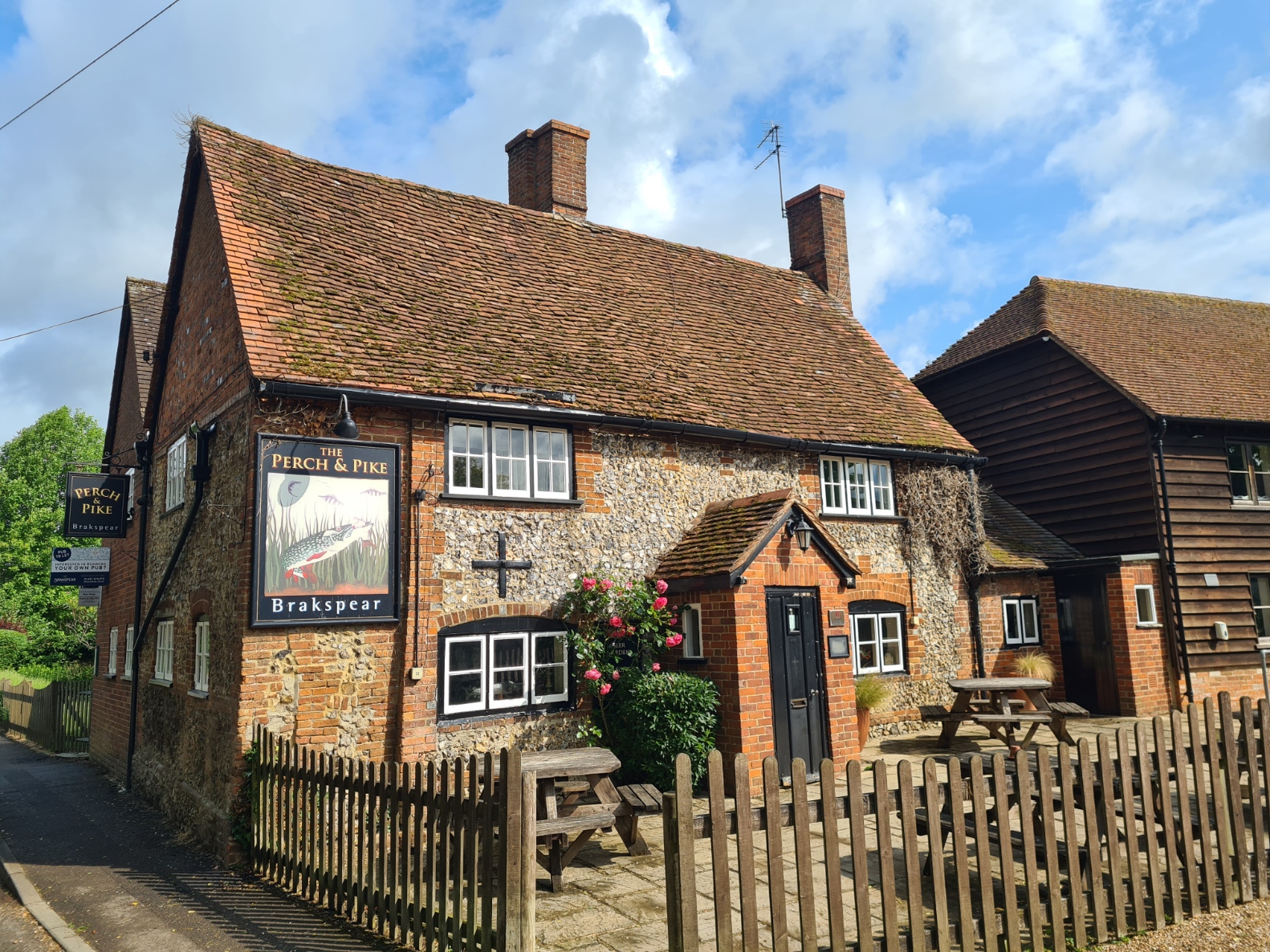
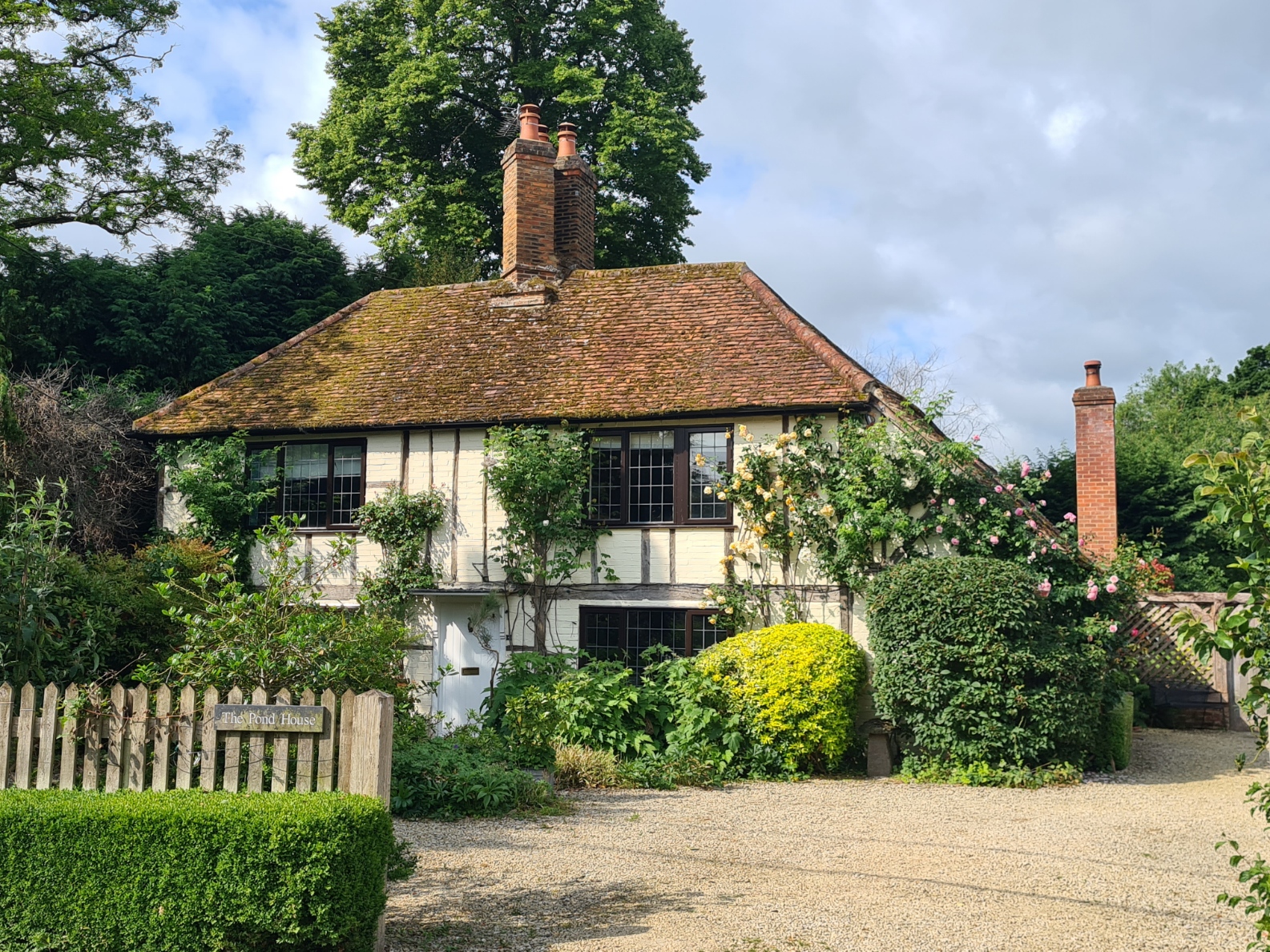
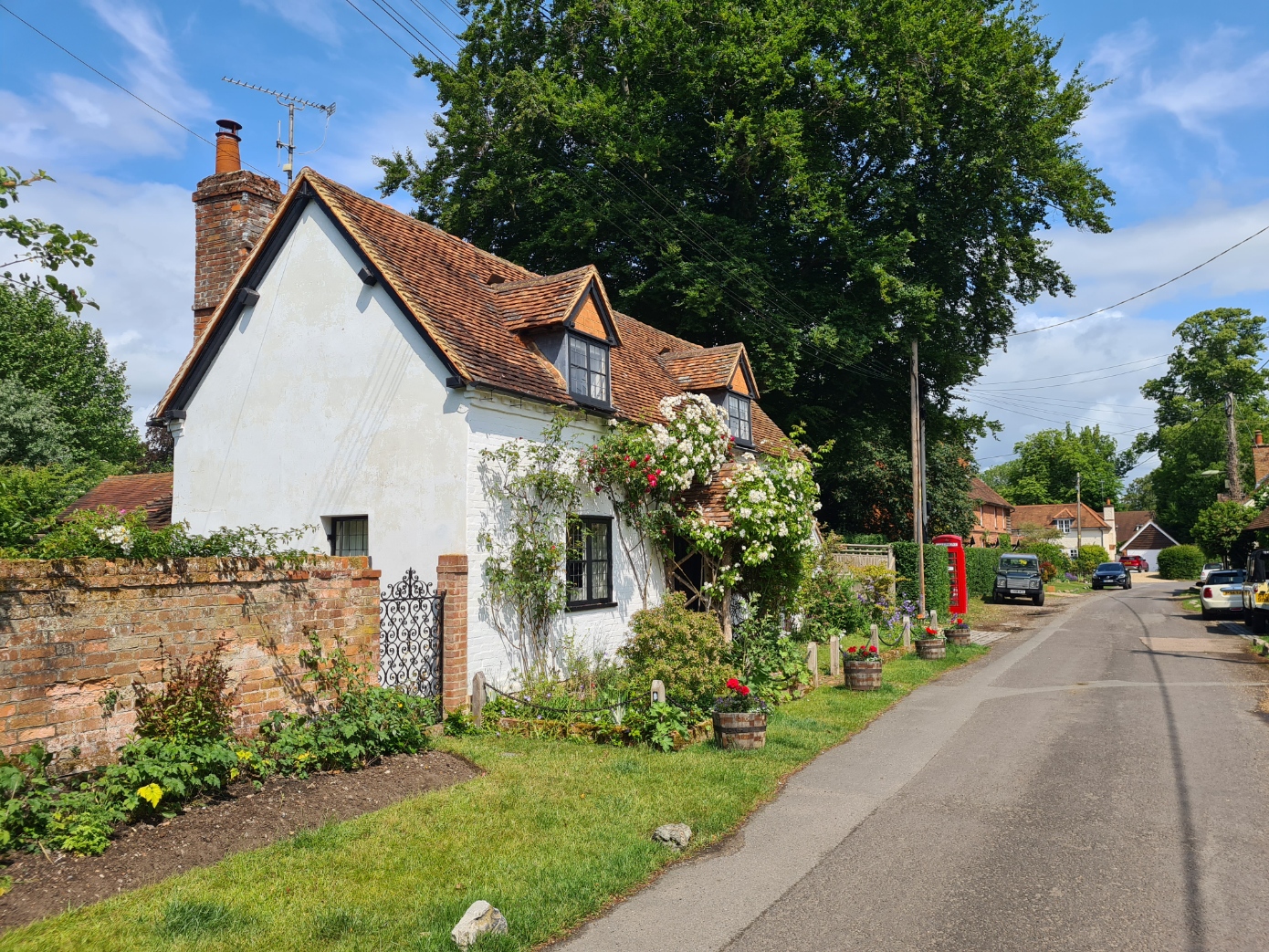
The almost riverside path led us into South Stoke, a place that has to be one of the prettiest villages in the UK. I did note however, that pretty doesn’t necessarily equate as plenty of clientele for the local pub. The smart looking 17th century red-brick and flint Perch & Pike had a “interested in running your own pub?” sign hanging outside, which doesn’t bode well.
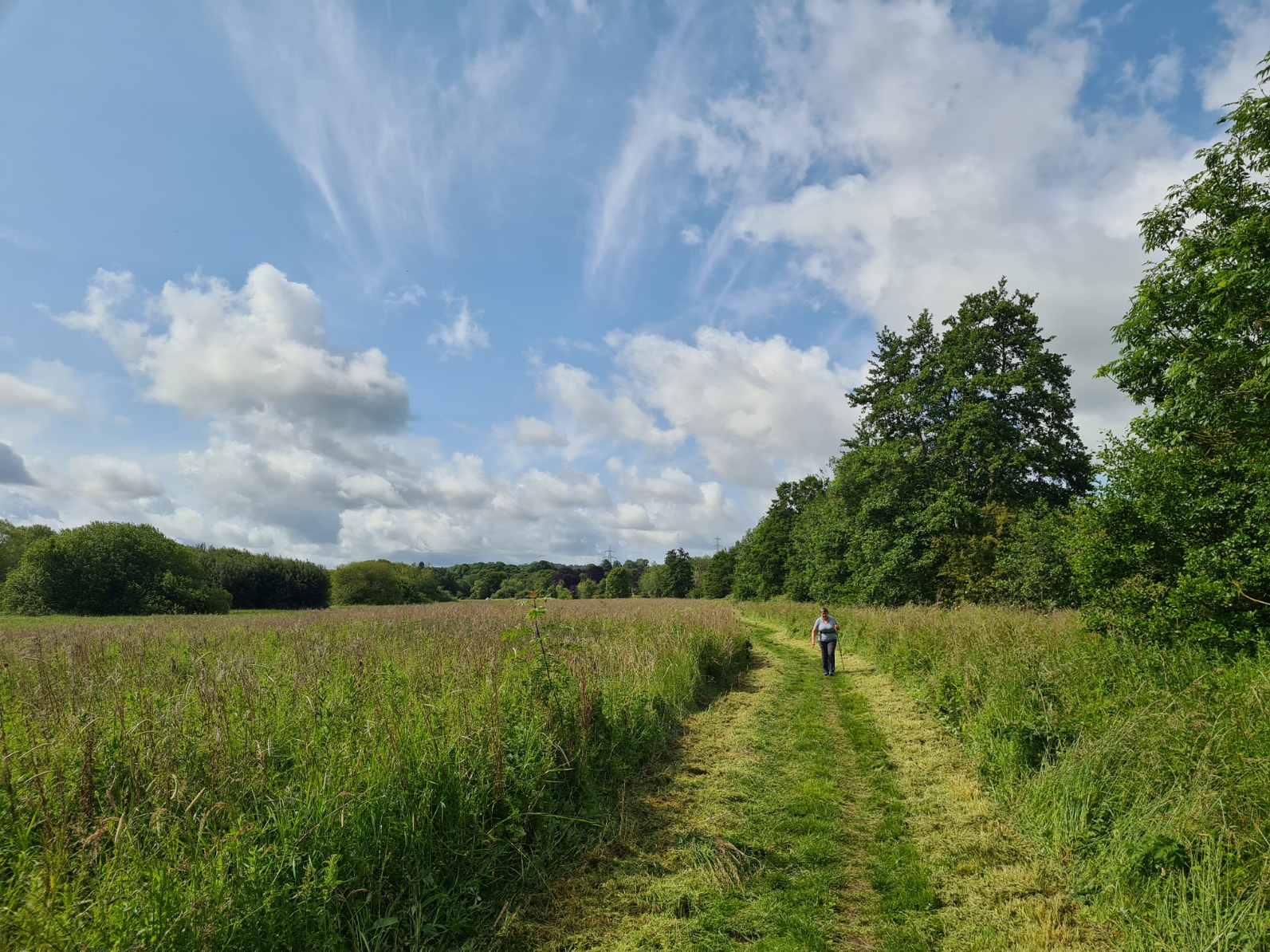
Leaving the village, we moved into a wide flood meadow, thankfully planners haven’t built on these. A mistake made in other parts of the country where homeowners have had to subsequently contend with ‘once-in-a-century’ flooding every few years. I couldn’t work out what was going on with the gates along this section. Some were properly shut, others swung loose, one or two were wedged open. It looked as though runners and dog walkers left them in any state they wished to. This despite the cattle that roamed the meadows.
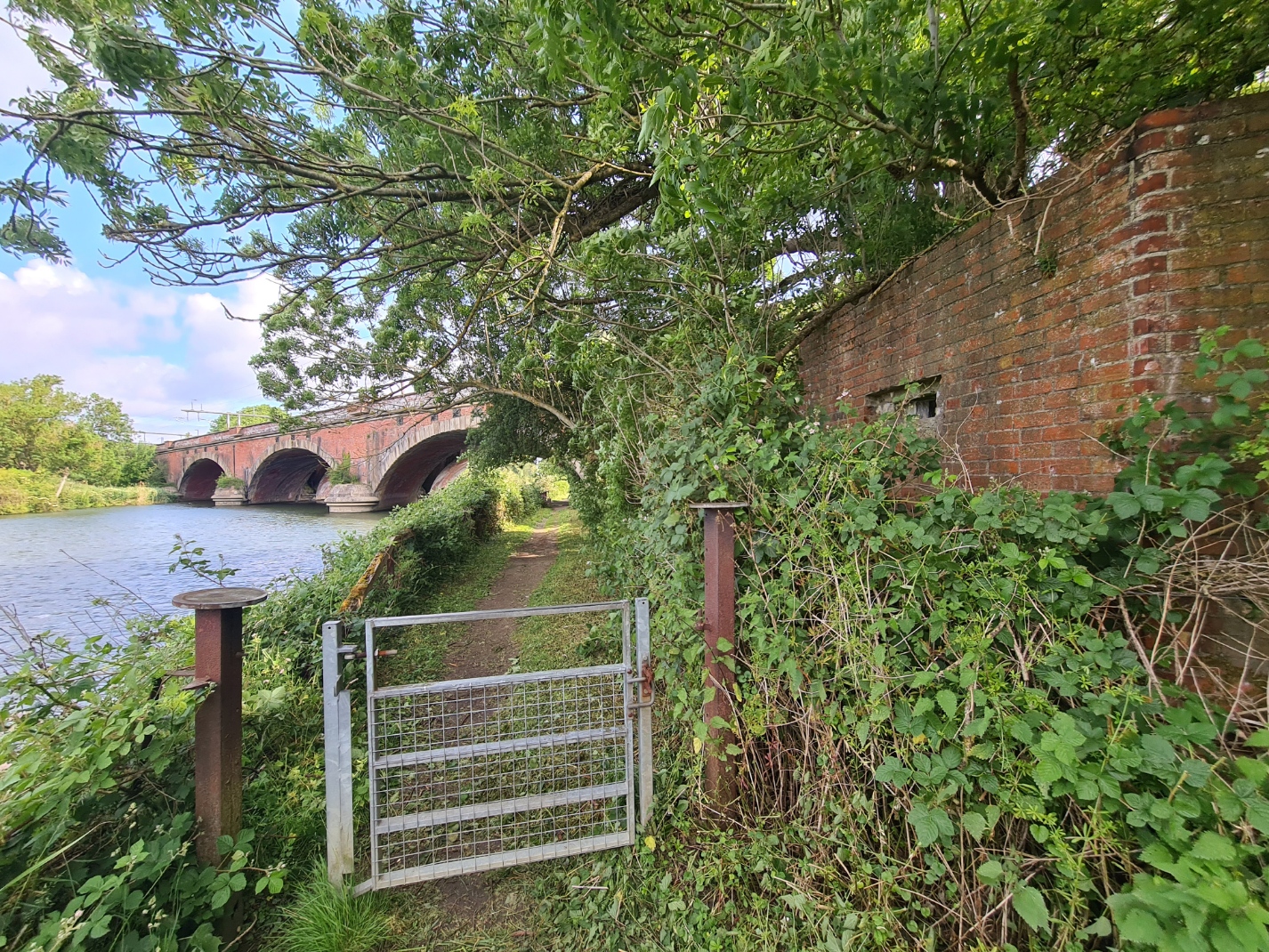
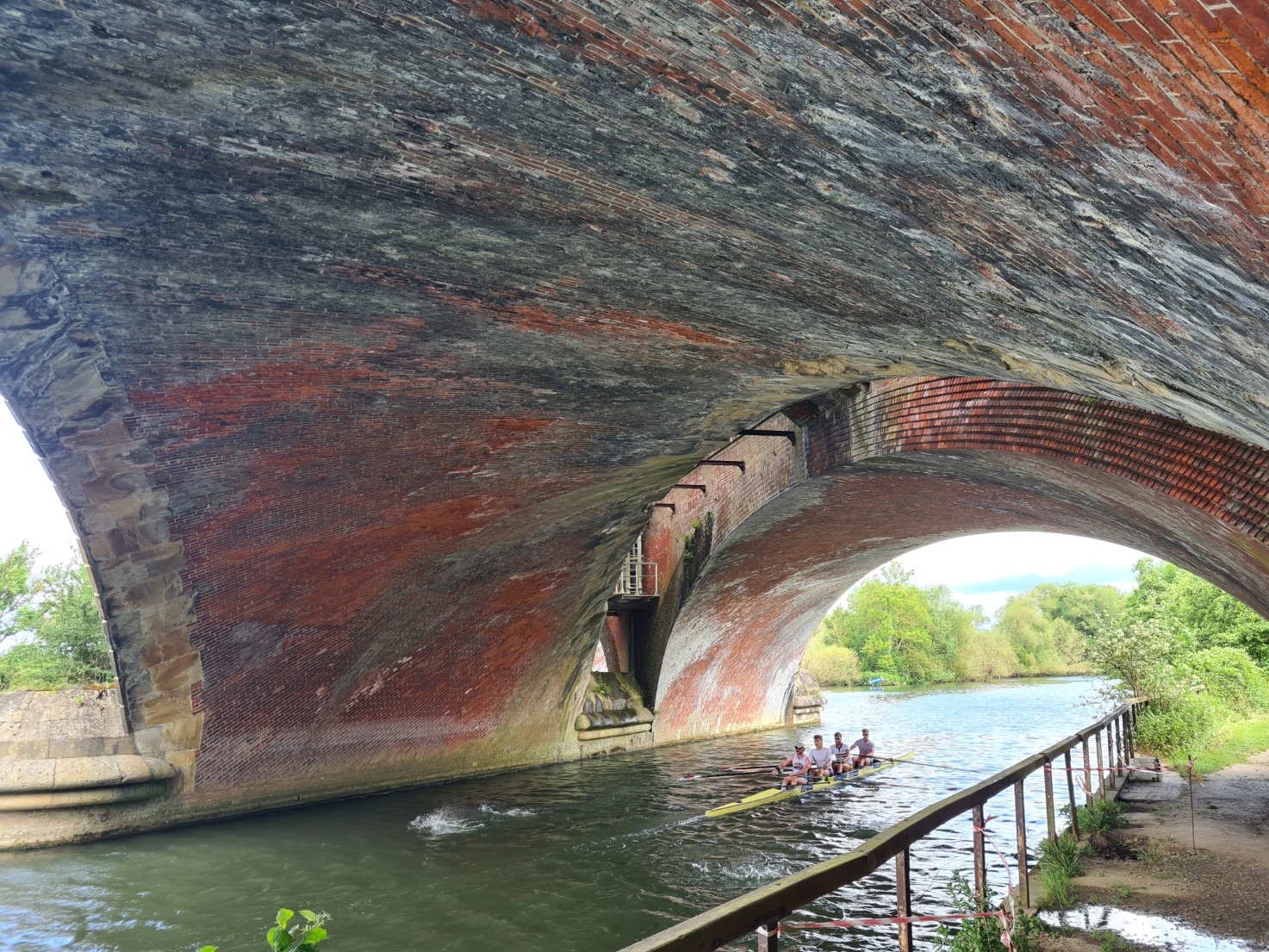
We had passed through the ‘Goring Gap’ a natural depression in the hills through which not only the river passed, but also the railway and road, all hemmed in to take advantage. The railway now swung round to pass over both river and trail. Crossing via the impressively built Moulford Viaduct. Twin skewed multi-arched brick bridges built to carry Brunel’s Great Western Railway, a section opened in 1840. Standing beneath one of the bridges, we took times to clap, whistle and shout as there is a marvellous echo and no-one to annoy.
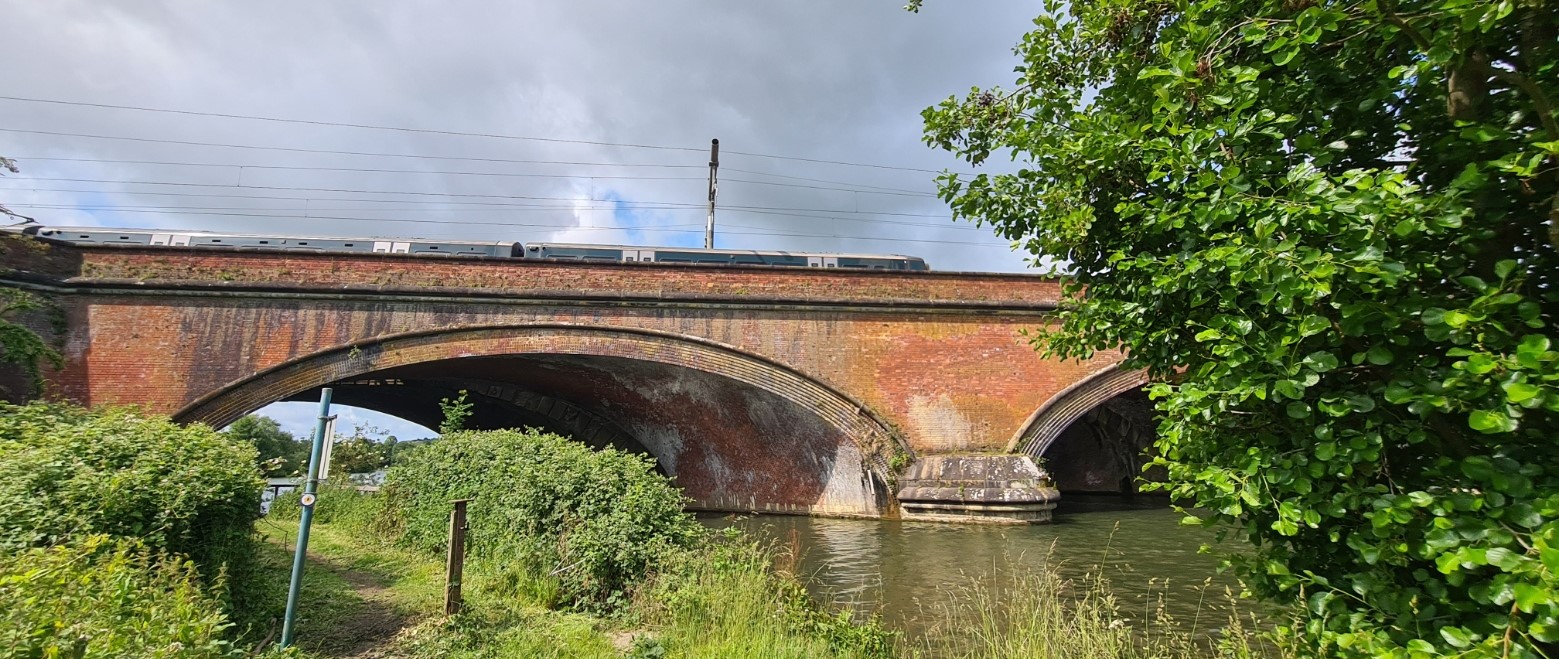
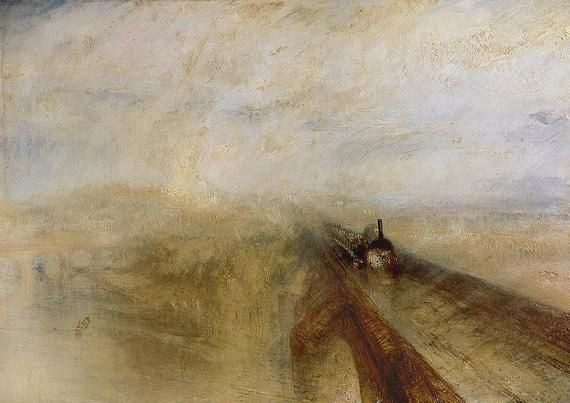
These elegant, sweeping and contorted bridges with their traffic may now be familiar and settled in to a landscape, but they were once new, radical and possibly a little threatening. J.M.W. Turner captured the heart of this in his iconic painting Rain, Steam and Speed – the Great Western Railway (1844).
His train, a solid, brutal, effective, utilitarian product of the industrial age, hurtles over Brunel’s contemporaneous Maidenhead Bridge toward the viewer, emerging from a mix of rain, steam, smoke and uncertainty. A great painting from a great painter maybe, but not universally lauded by his contemporaries. John Ruskin was dismissive and critical of a painter engaging with an unattractive subject matter.
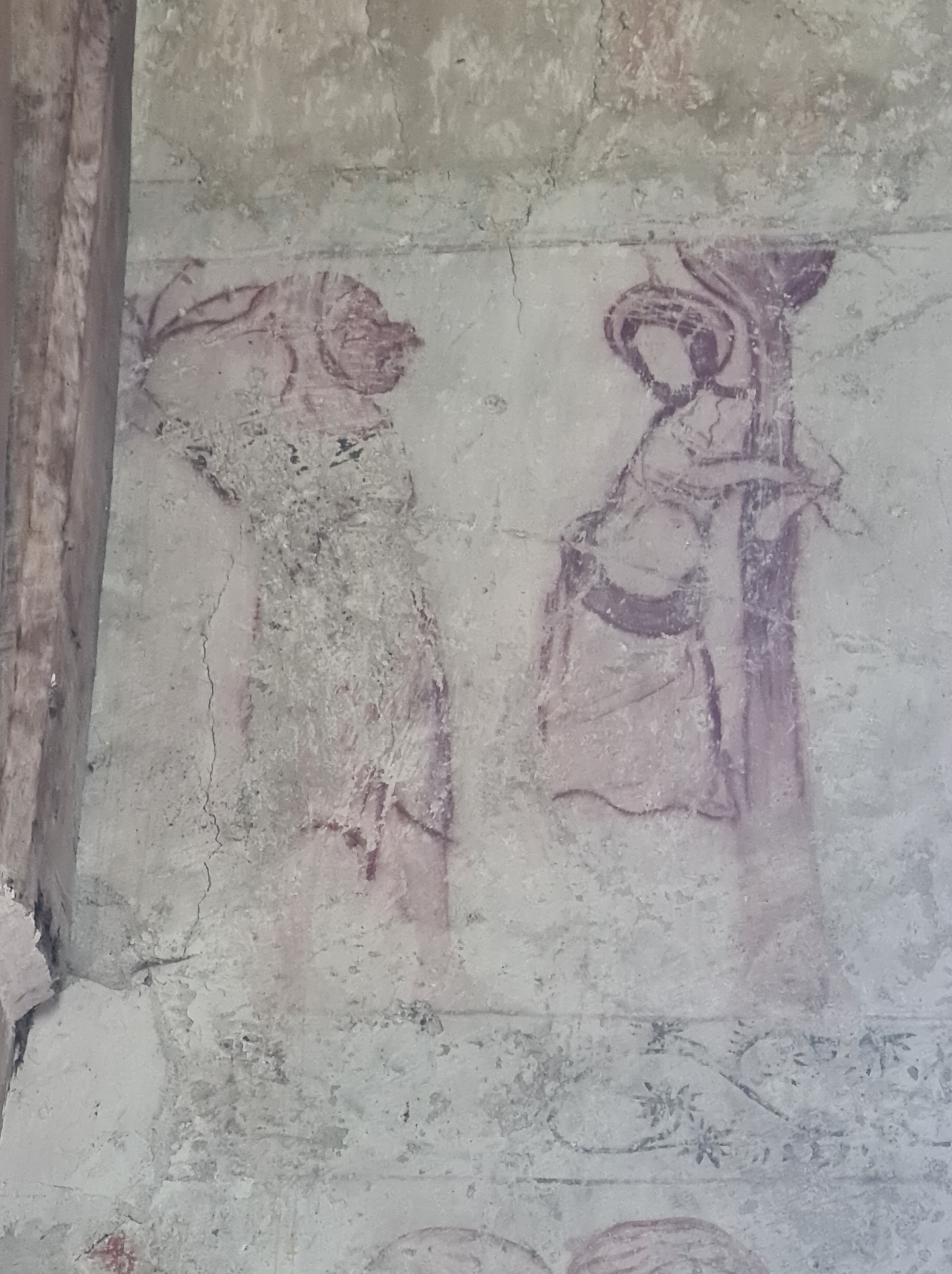
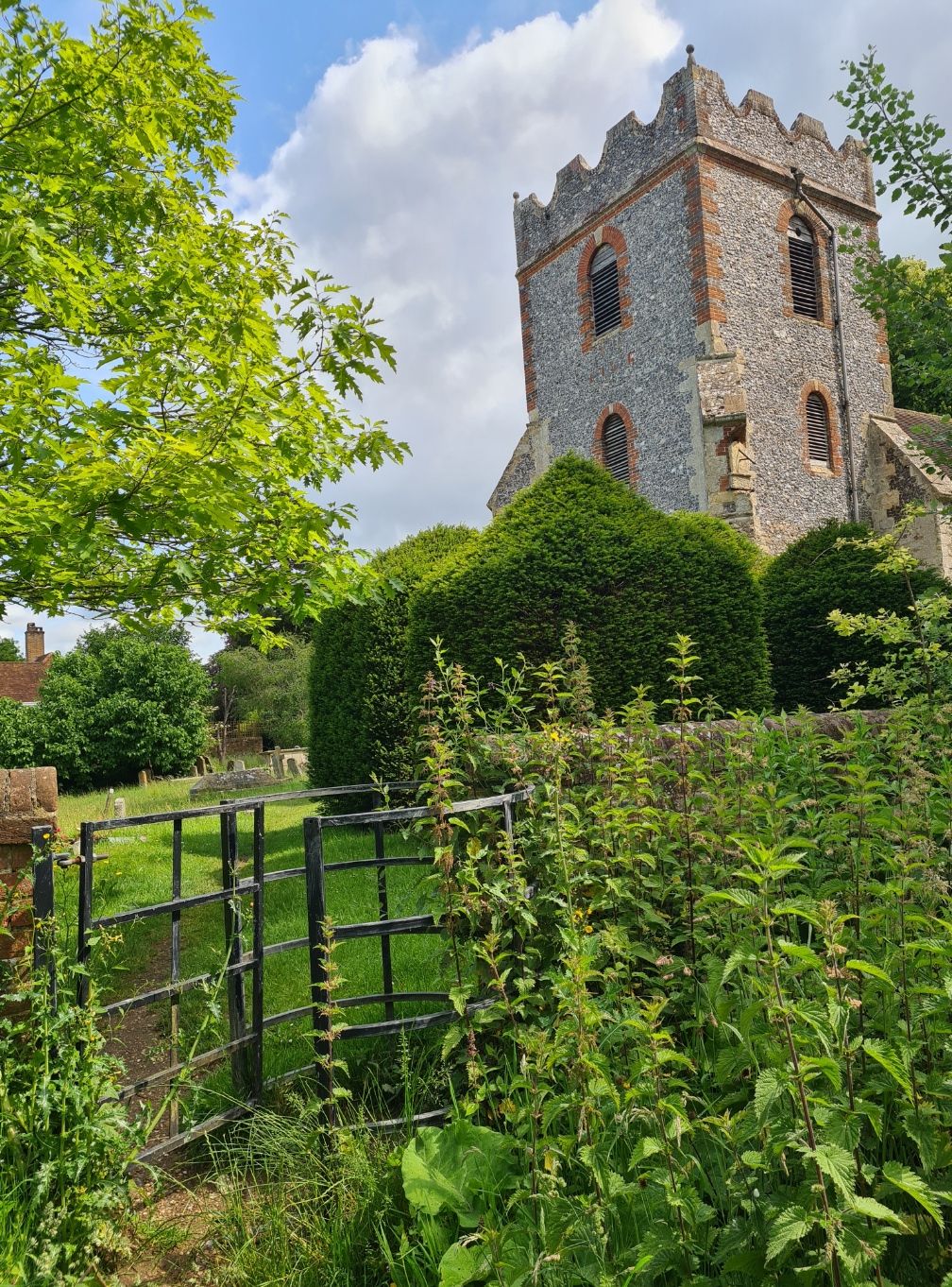
We walked on, through more green fields, heading toward North Stoke. Another village that vies for the ‘prettiest ever’ title. We were pausing here to visit the cool interior of the 13th century St. Mary the Virgin church to view the 14th century wall paintings in the nave that have somehow survived the centuries. Much has obviously gone, but many scenes are clear to see and understand what they depict, others less so. There is a lot more than I show here.
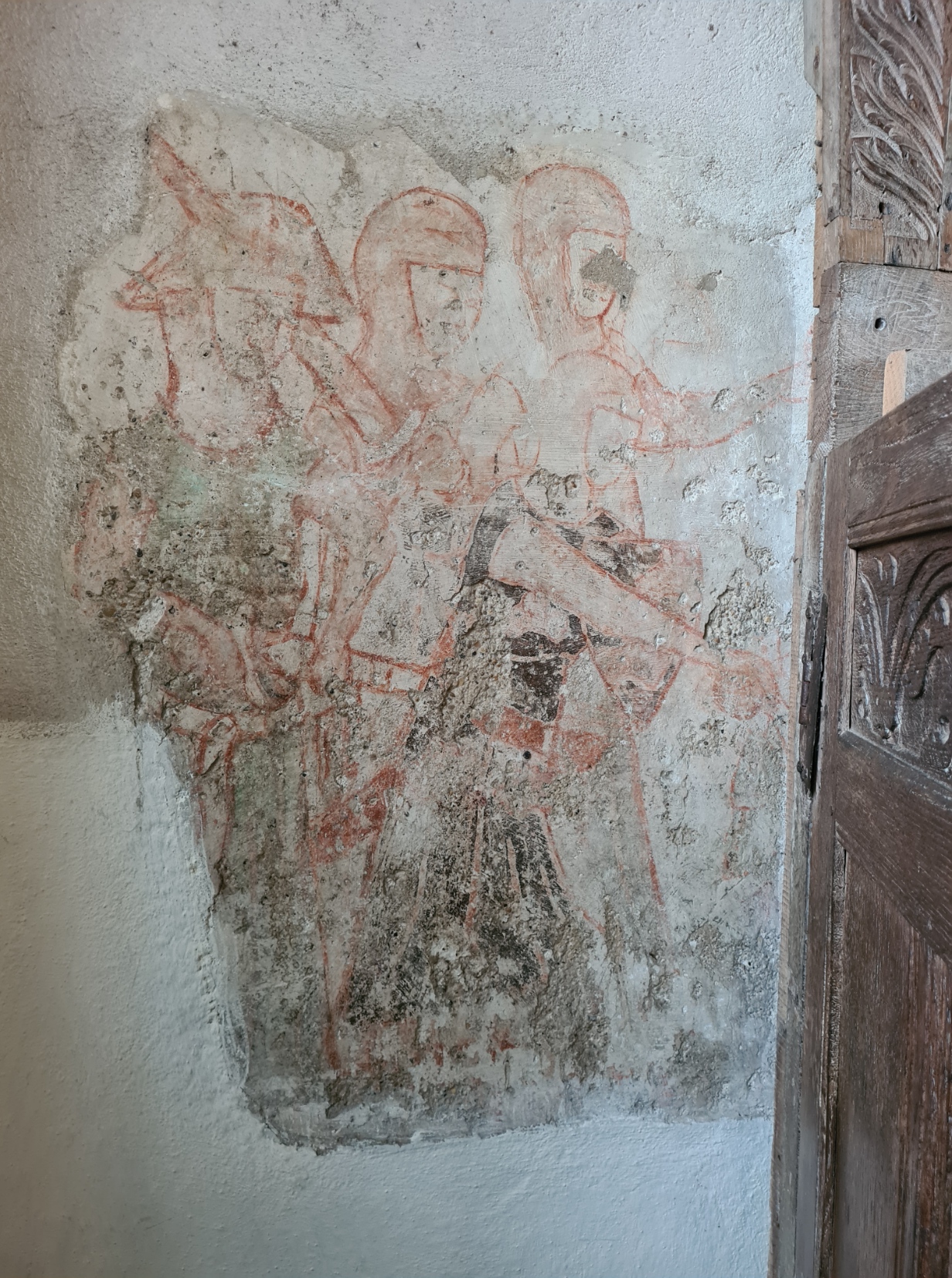
Inside the church was a cooler box with bottles of water for thirsty hikers and visitors. We didn’t need any so left them for others and moved outside to sit on a bench opposite for snacks and hydration. From this vantage point we could see the difference in it’s construction. The original tower collapsed in 1669 and wasn’t repaired until 1725, giving it a slightly different appearance to the rest of the church. The Ridgeway crosses the churchyard and while we were here, two individual hikers also walking the trail came through, both walking the opposite direction to us. Neither visited the interior of the church. Of course everyone gets what they want from a trail, but I struggle with the concept of not even popping in to see such remarkable paint daubs. They might not like them, but such things only add to a trail experience. More likely, they weren’t even aware they were there. Such is the benefit of carrying (and reading) a guidebook. But still, even without, I would have gone in. The trail passes not a metre from the front door.
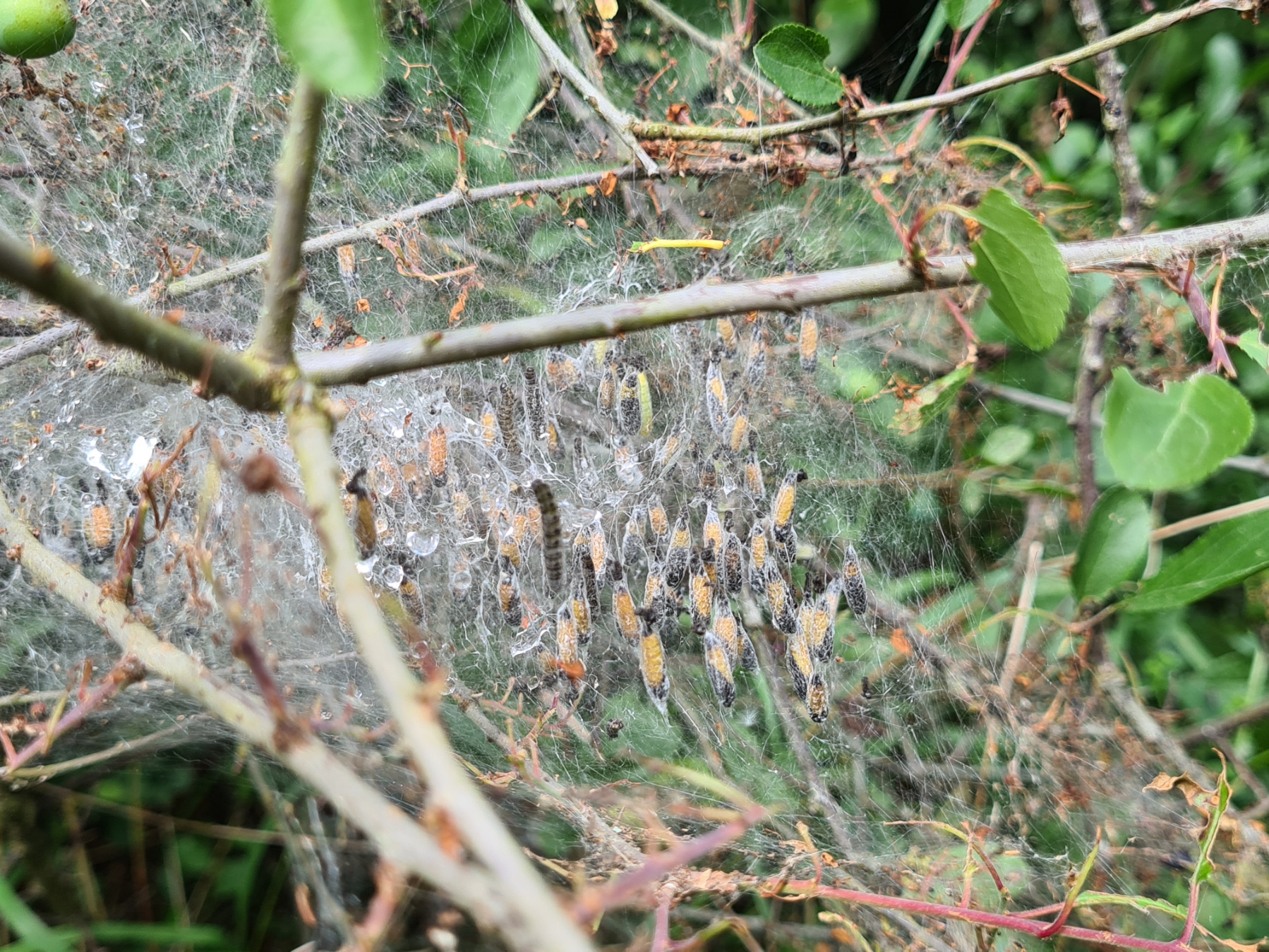
Every now and again we passed many metres of hedgerow that were covered by the silken ‘nests’ of thousands of Ermine moth caterpillars. They strip the foliage, but it grows back and plants survive. This covering protects the caterpillars from predation. There are various species but they can be a bit difficult to separate.
Having now swung right, our path was now slowly climbing up and away from the Thames. The path was at first parallel to the A4130 and it was a bit noisy at times, but that road eventually drifted off and it grew quieter. We were walking up Grim’s Ditch.
It wasn’t the first time we had encountered this named ditch, as there are actually many a ‘Grim’s Ditch’ across this part of the country, but this was certainly amongst the largest and longest. It is around three miles that we followed this. Each ditch has little obvious association with other ditches other than the name and they may have been built hundreds of years apart. The word ‘Grim’ is an Anglo Saxon name for Woden, or the Norse Odin. The ‘Ditch’ is a dyke, a raised bank beside a lower cutting. However these names actually came long after the features that were dug and constructed during the Iron Age, much earlier. That said, this last of the metal ages covered a huge period, as much as eight hundred to a thousand years. At one point, almost hidden from view away from the path, a Trig Point (98m) had been erected directly on top of the raised bank
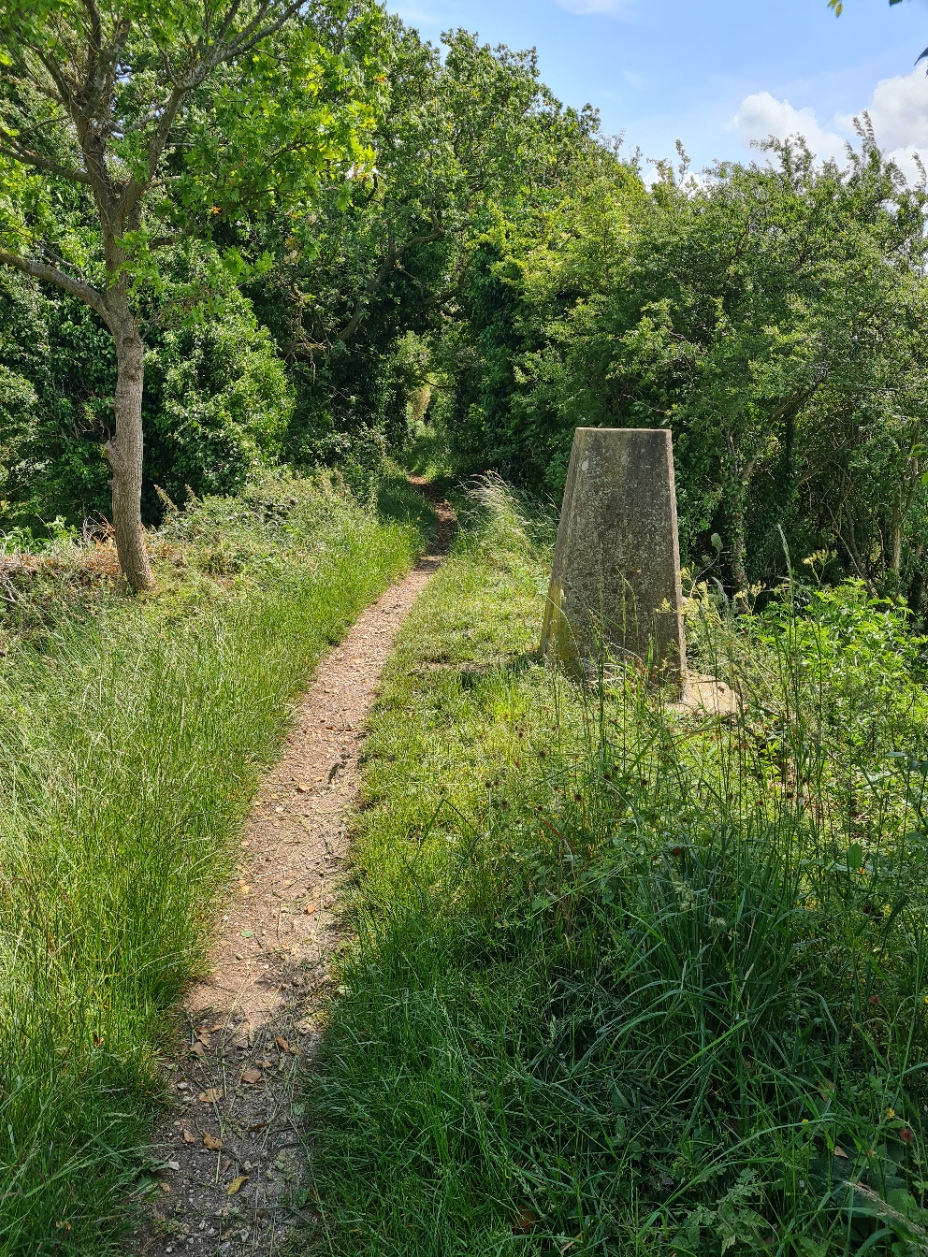
It was quiet and with no-one around we each halted for a pee stop while we could. Seconds after ‘the business’, we were caught up by Andrew, Andrew, Harry and Rick. After a few minutes chat, they moved on ahead, seconds later two cyclists came up behind us. These trails are never quite as quiet as they might seem, with everyone moving along at more or less the same pace, it is only when you halt for any length of time that you appreciate how many are on trail.
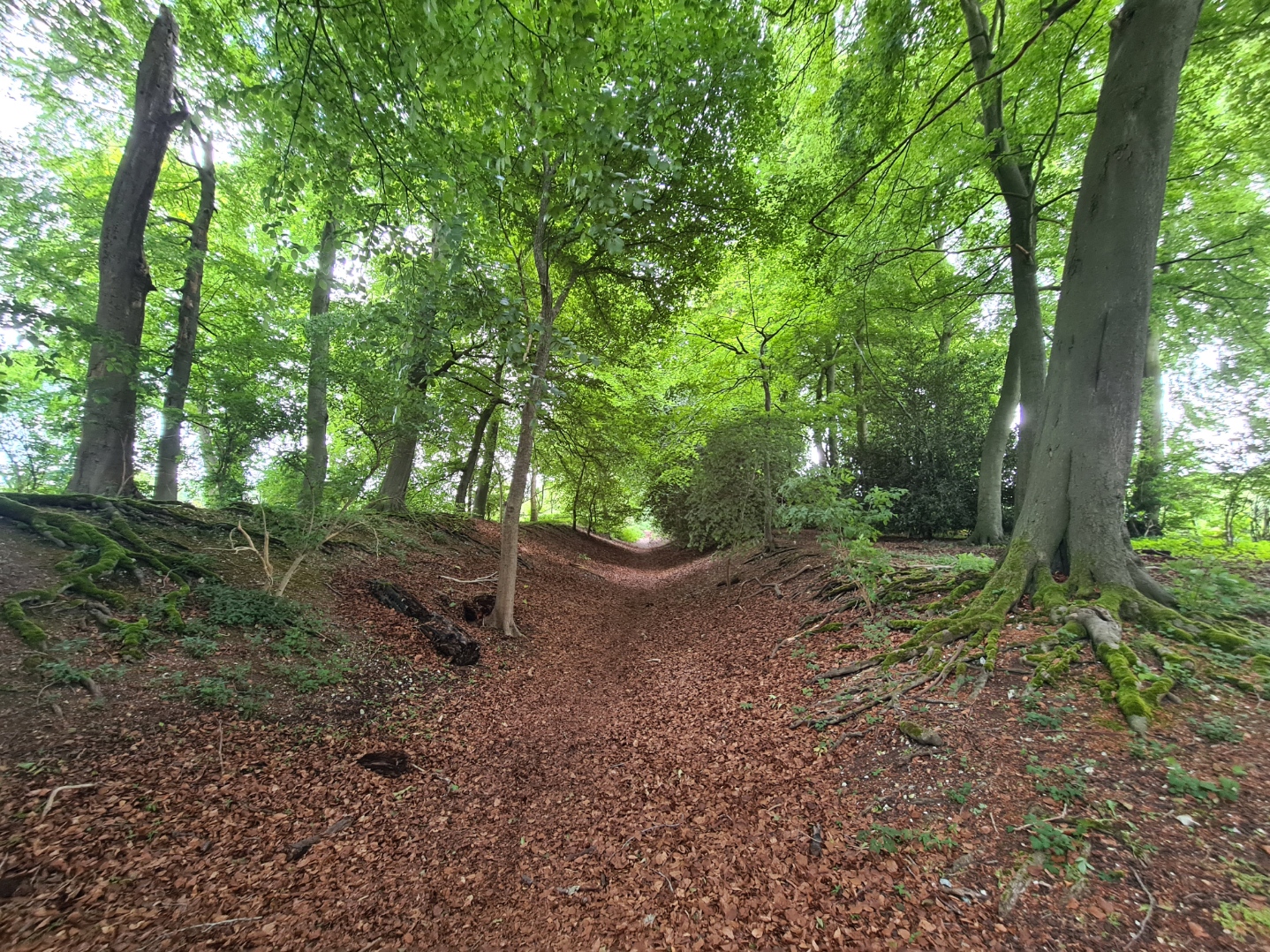
The weather had been magnificent. A real change from yesterday’s soggy affair. It wasn’t to last however, and nearing Nuffield, the heavens opened. Rather than walk on, we just stood in the shelter of some heavily leaved beech trees until it blew over.
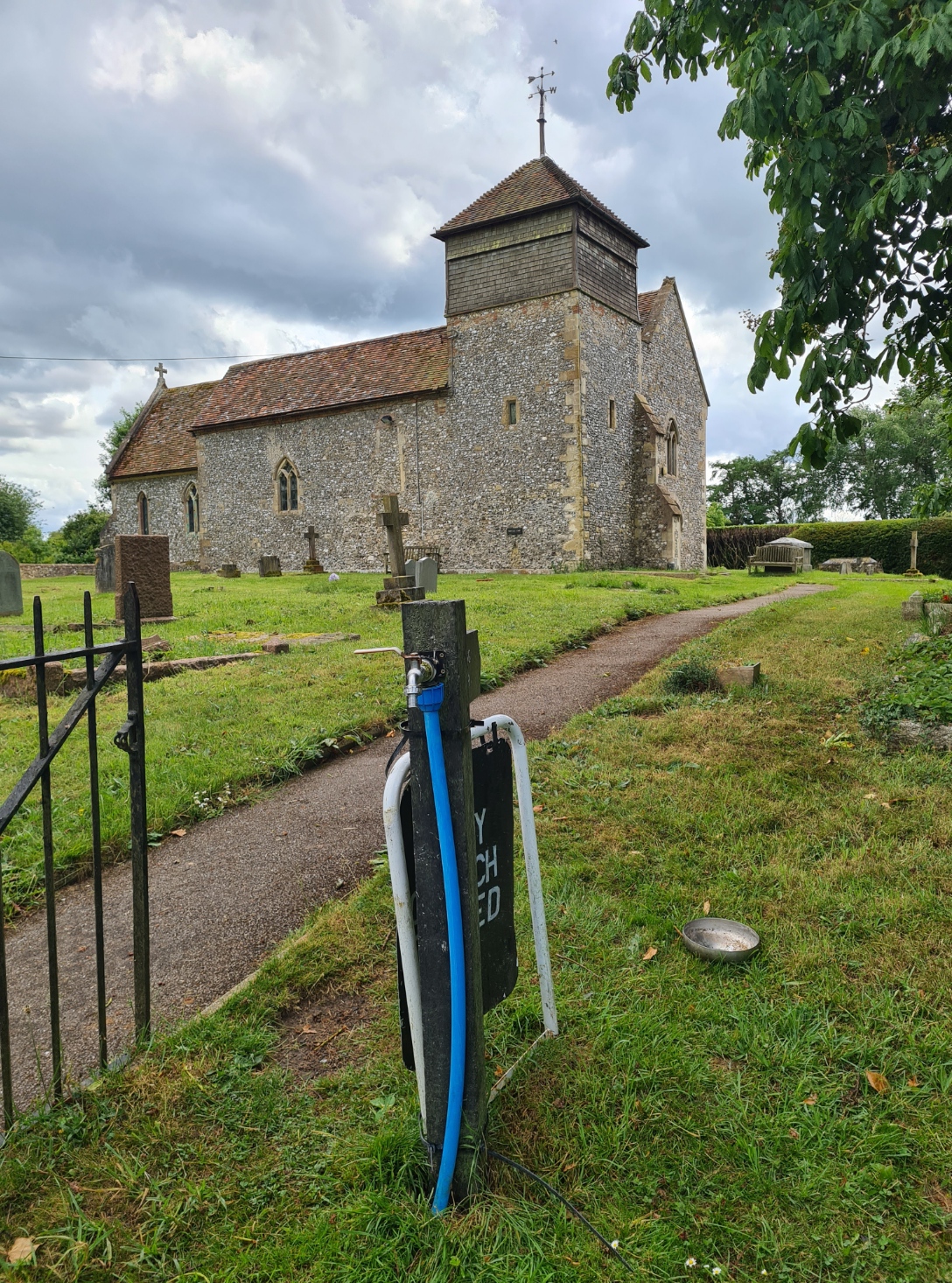
We walked in to Nuffield, to visit yet another church. But this was going to be our lunch stop as I was aware that the parishioners leave drinks and snacks for visitors. This is run on an honesty basis and I paid electronically, as they have had cash stolen in the past. As well as two cups of tea each, we ate our lunch, courtesy of Joan, of sandwiches and crisps. The box might have been shy a couple of cakes when we left.

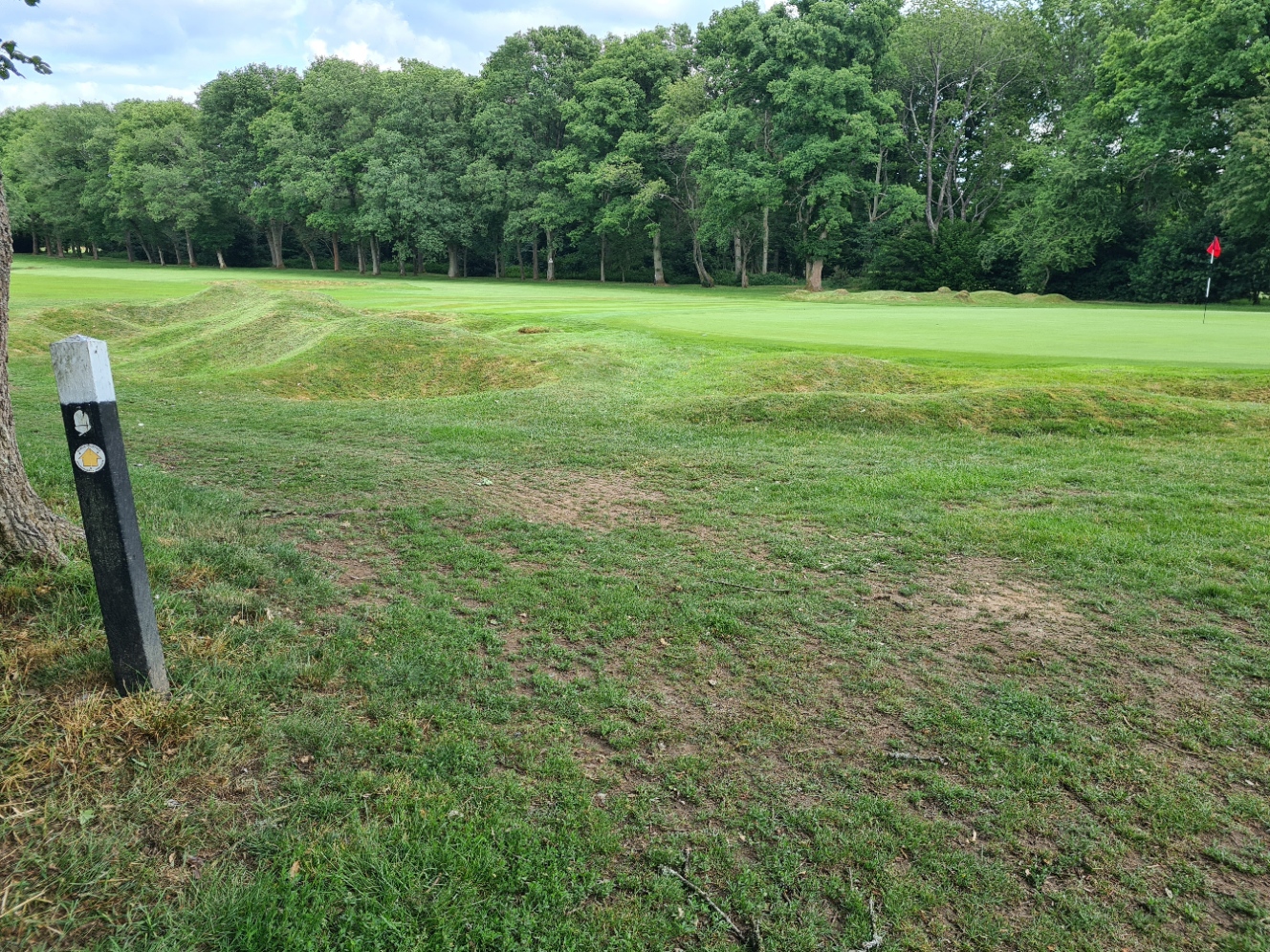
Soon after leaving the trail, we passed through a golf course, the trail heading straight across a couple of greens rather than the fairway. Thankfully there seemed to be few golfers around and no balls to dodge. We were now walking through the Chilterns and the path does climb and drop a bit, but it is lovely country walking, also very well kept.
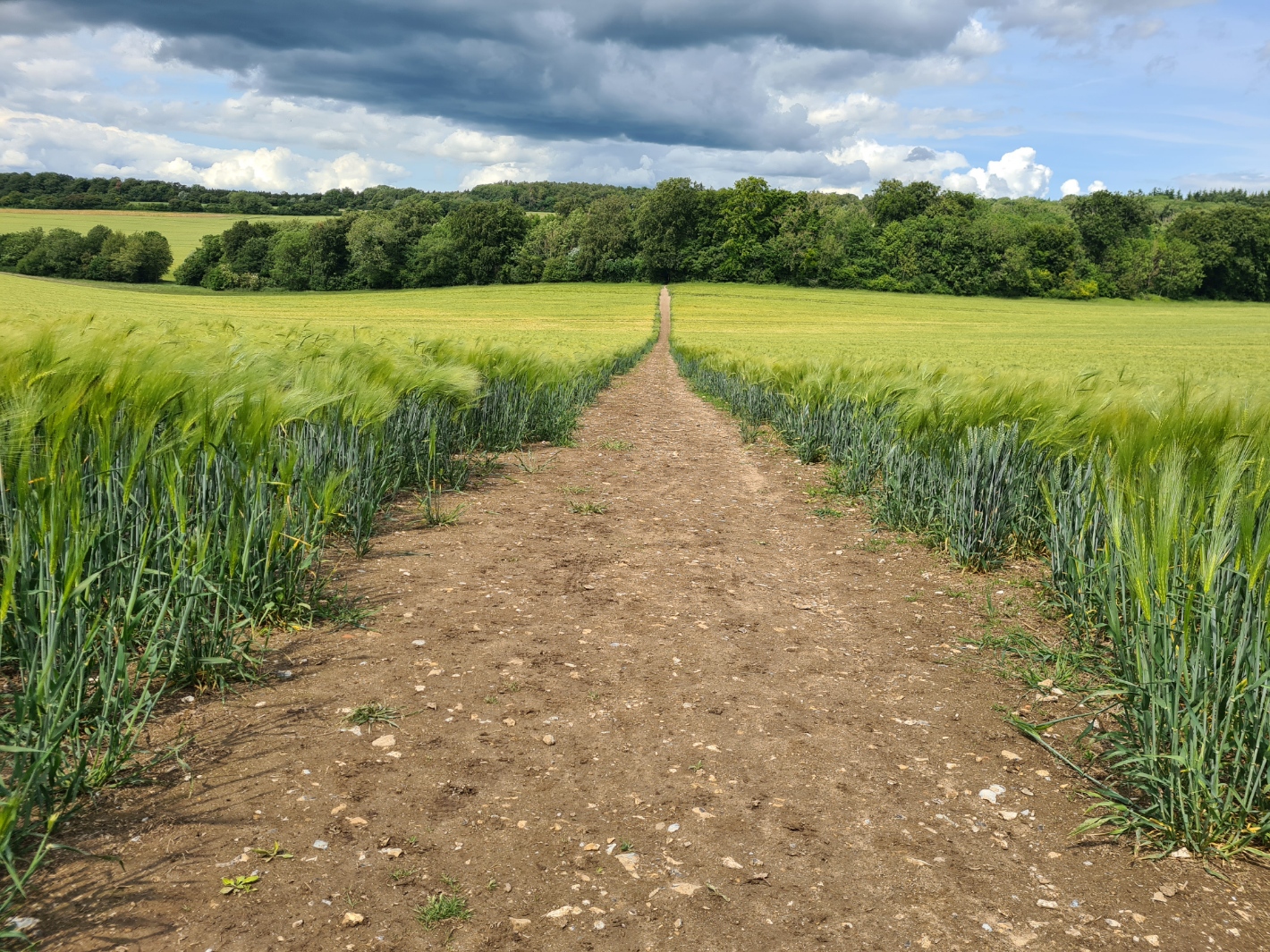
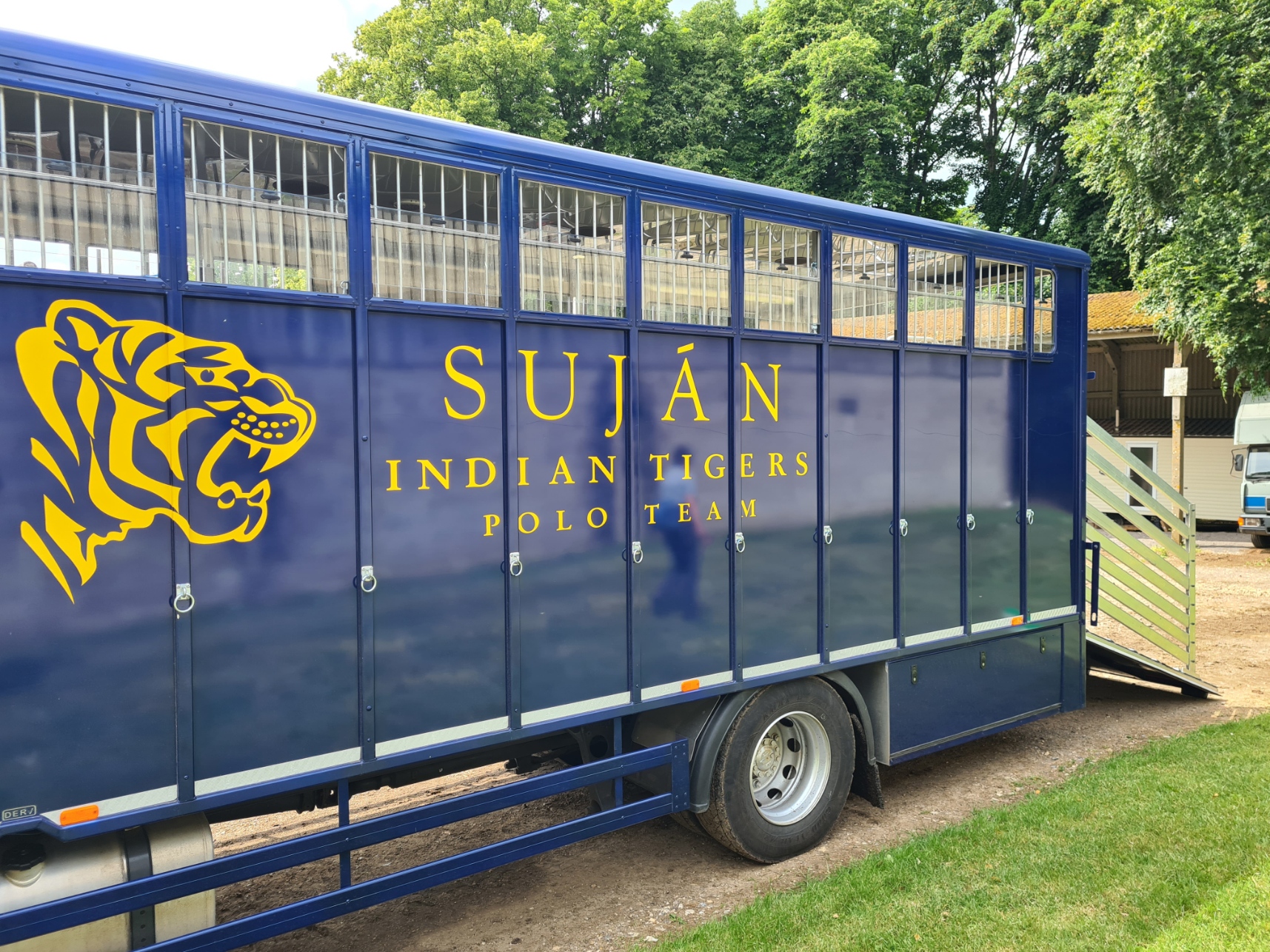
Steeper hills had extensive beech woodlands but where the terrain was flatter, the trail passed through fields of healthy looking cereal crops, especially barley. It was clear there is a bit of money round here. All the more apparent when we passed fields of grazing polo ponies and a yard complete with expensive looking horseboxes belonging to an elite team.
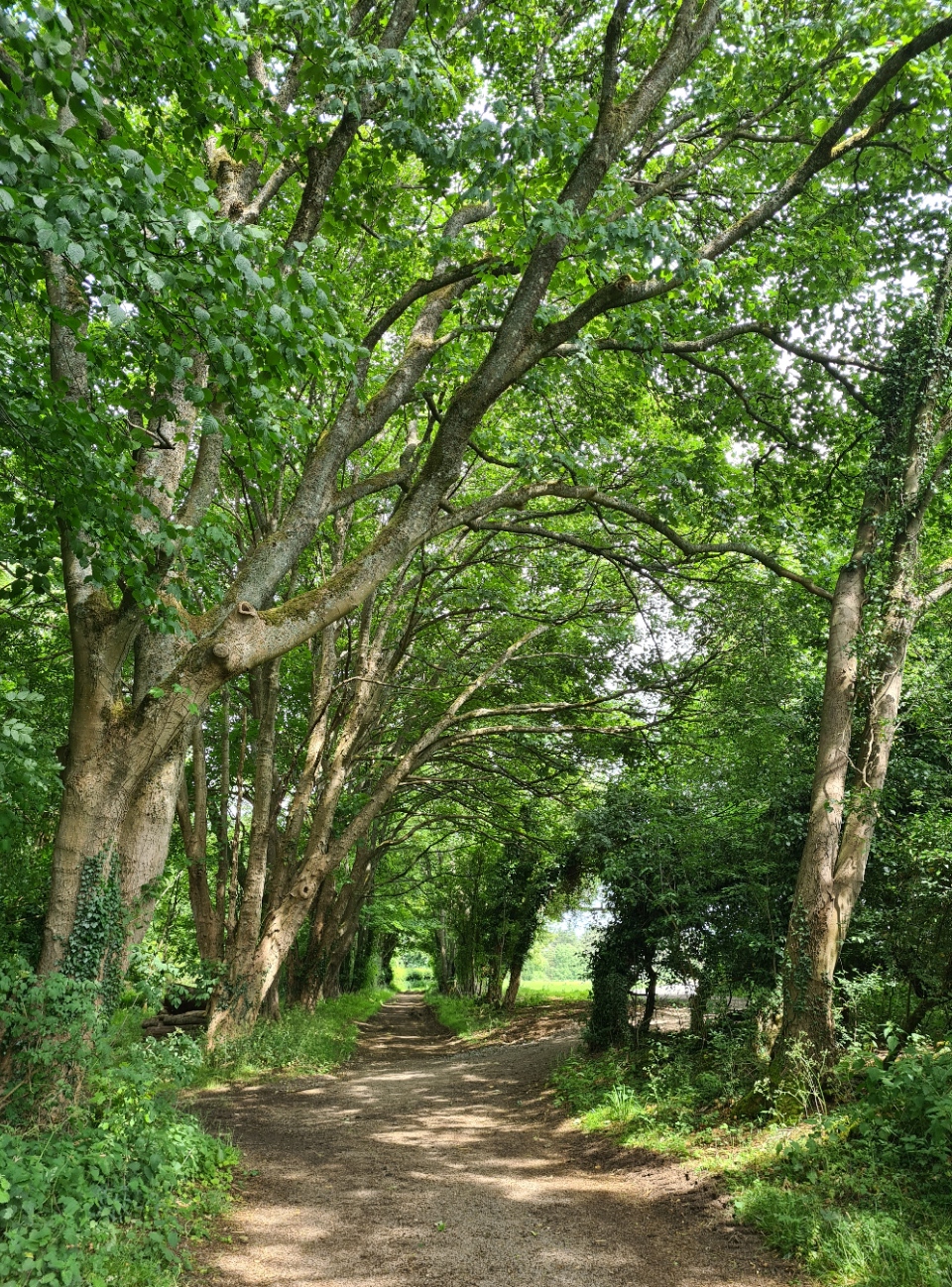
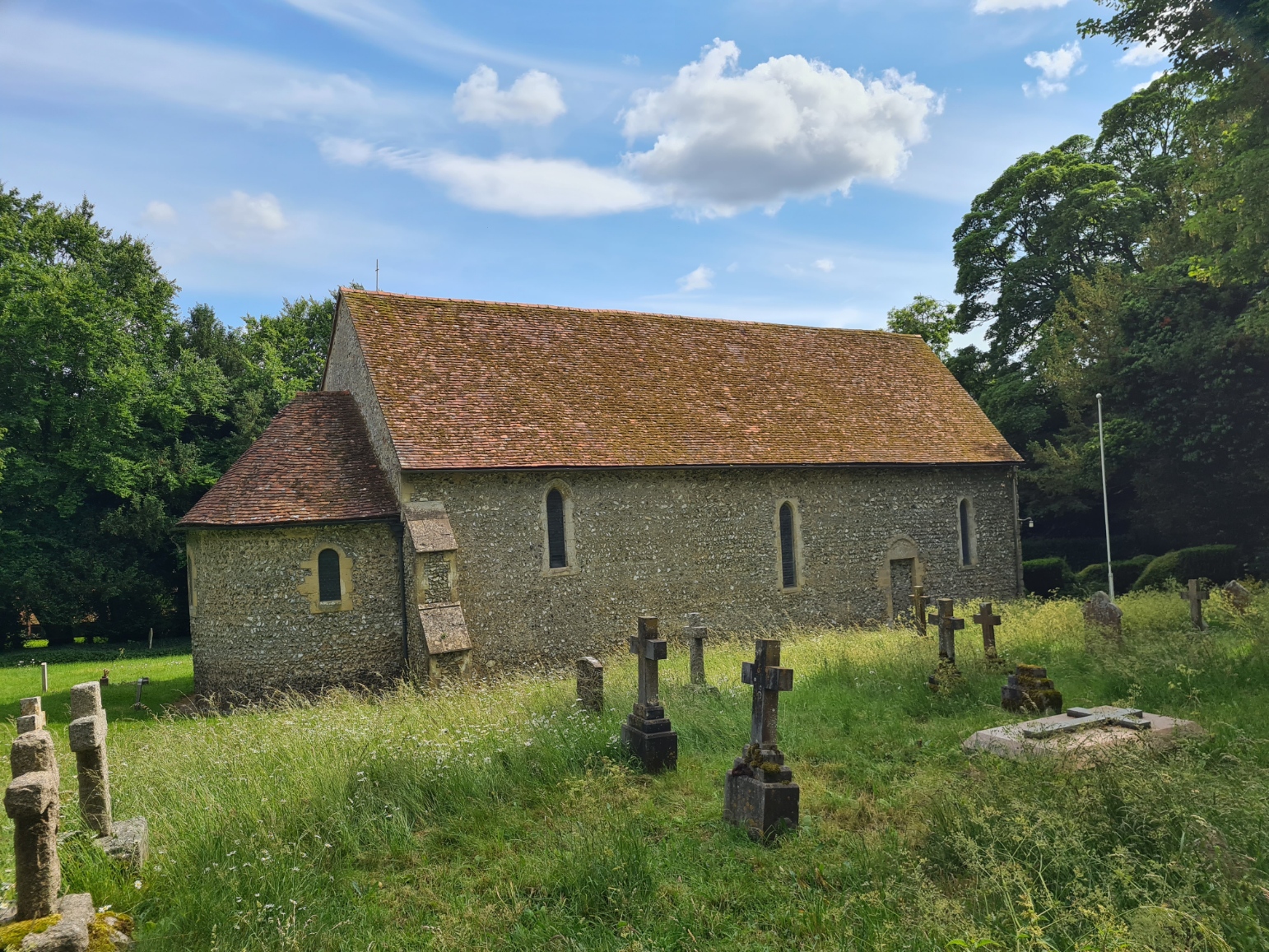
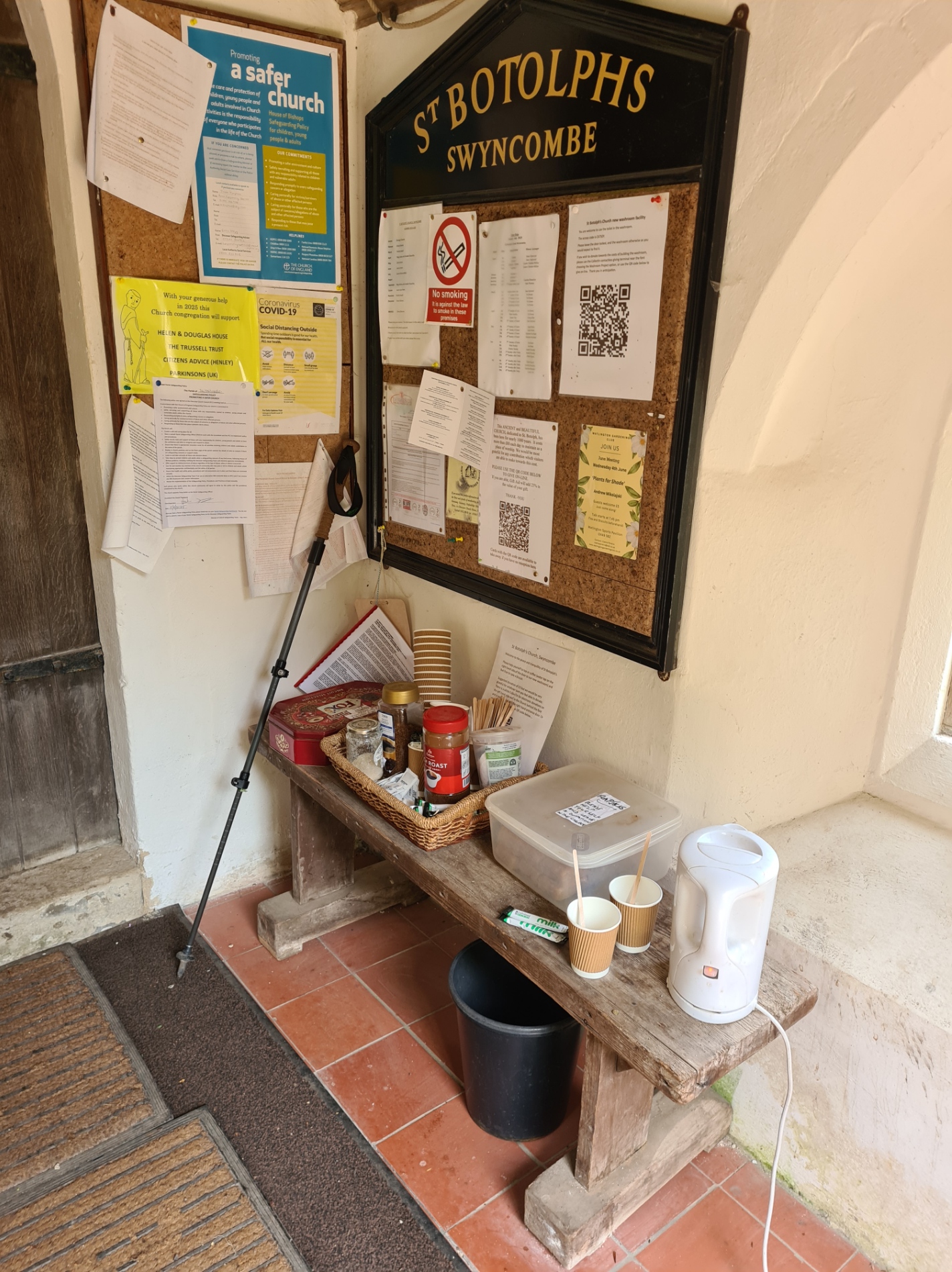
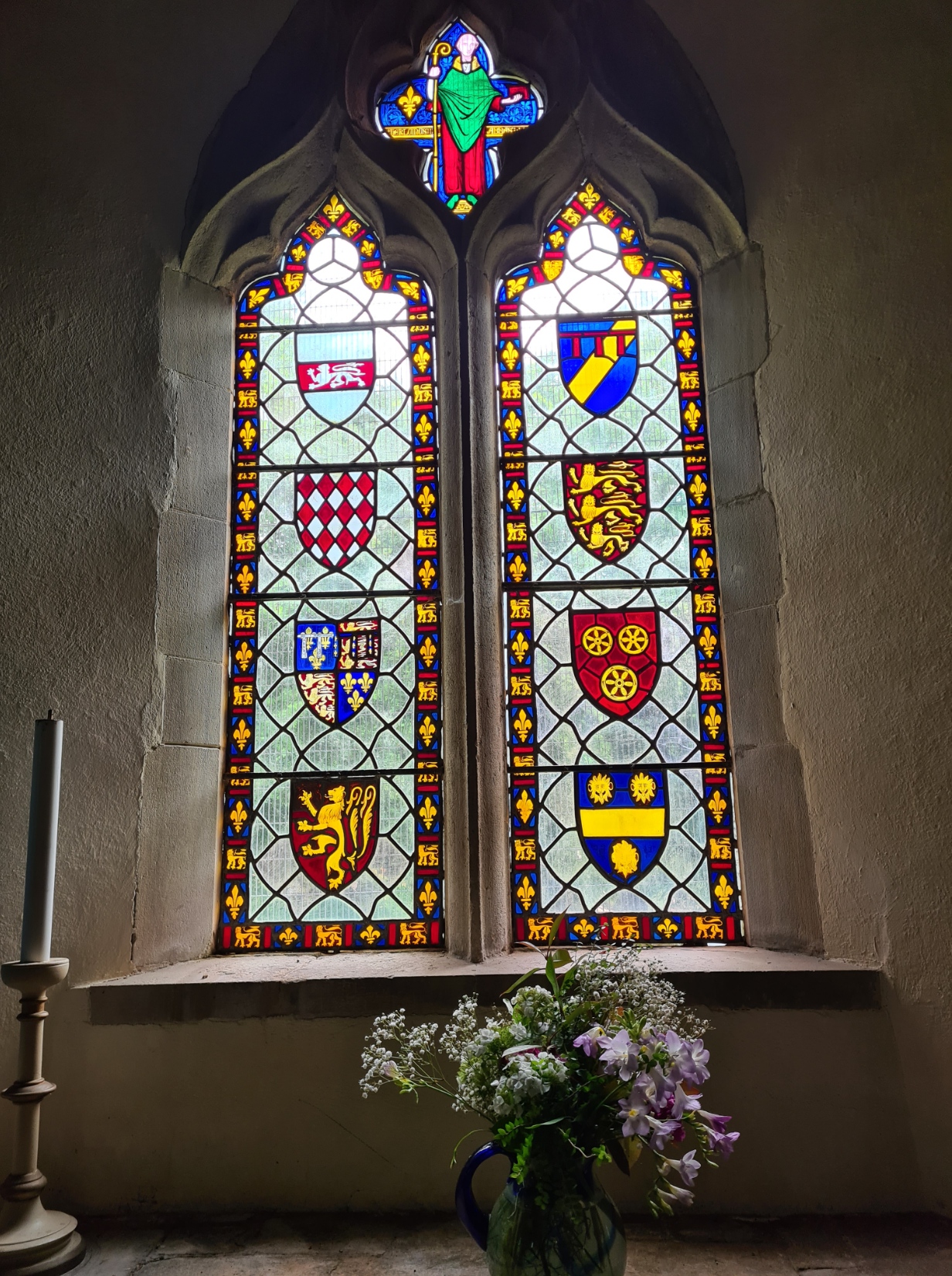
I really enjoyed this afternoon’s walk, in fact I had really enjoyed the morning’s walk. The only thing that would top it off at this point would be another halt and another cup of tea. With plenty of time in hand we both turned in to the churchyard of St. Botolph’s at Swyncombe. Mrs Three Points immediately headed to a bench seat positioned round the back of the church, while I headed inside to mooch about. Serendipity had placed a kettle and the makings inside the porch. While two teas brewed I explored the interior. Now under the care of the National Churches Trust, it is a lovely peaceful place.
This 1000 year old Pilgrims church situated adjacent to the Ridgeway Path in a valley surrounded by fields of sheep and in an Area of Outstanding Natural Beauty is a haven of peace and continuity”
National Churches Trust
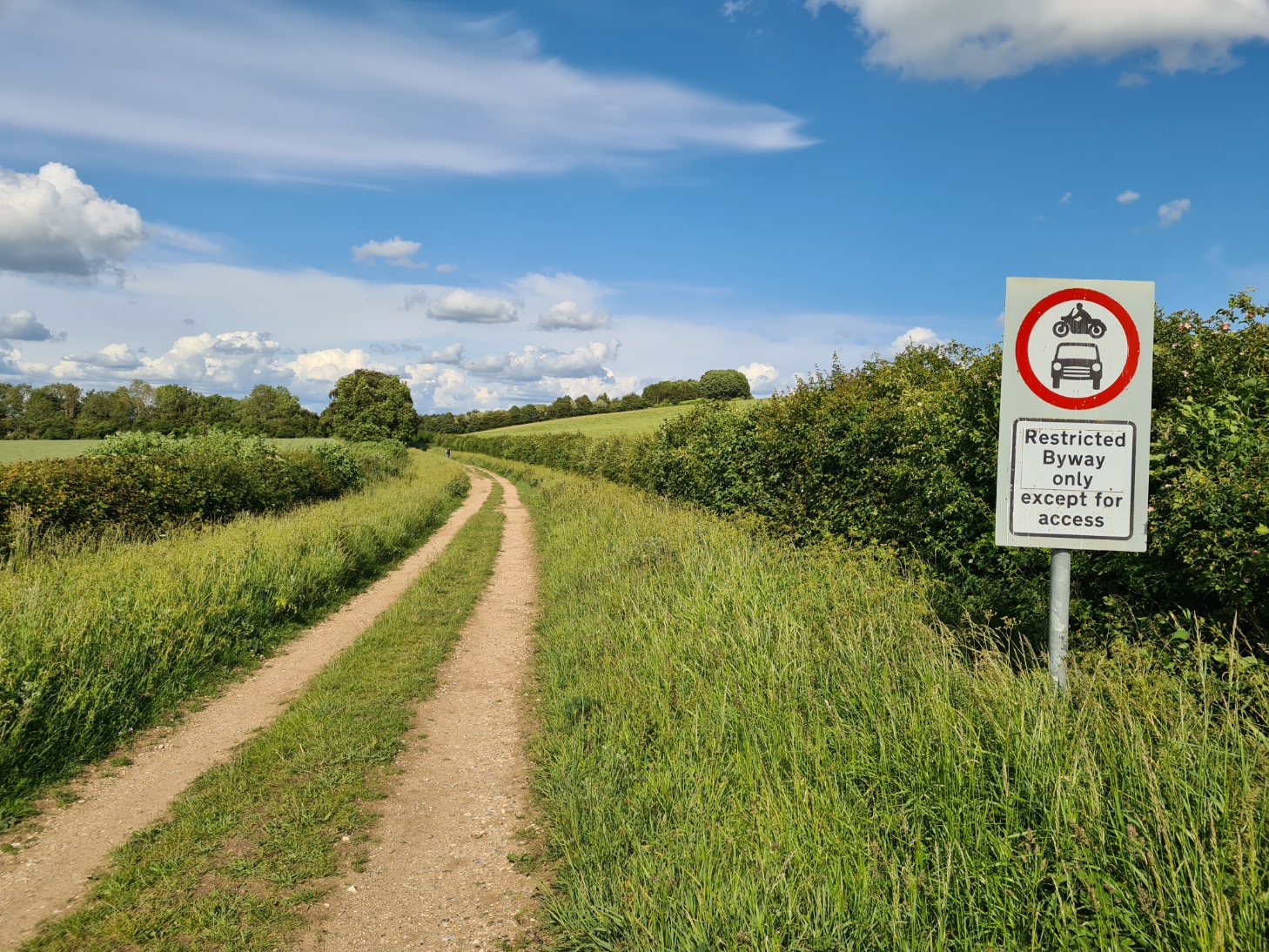
After leaving the church we had a few steeper downs and ups through woodlands, with wide soft leafy paths, before swinging round to join the Swan’s Way, that we had left back in South Stoke, that flattened out. Now following a Byway toward Watlington where reaching a road crossing, we left the trail to walk down the ominous sounding Hill Road into town. Passing the White Mark Farm campsite where I camped last time I walked this trail.
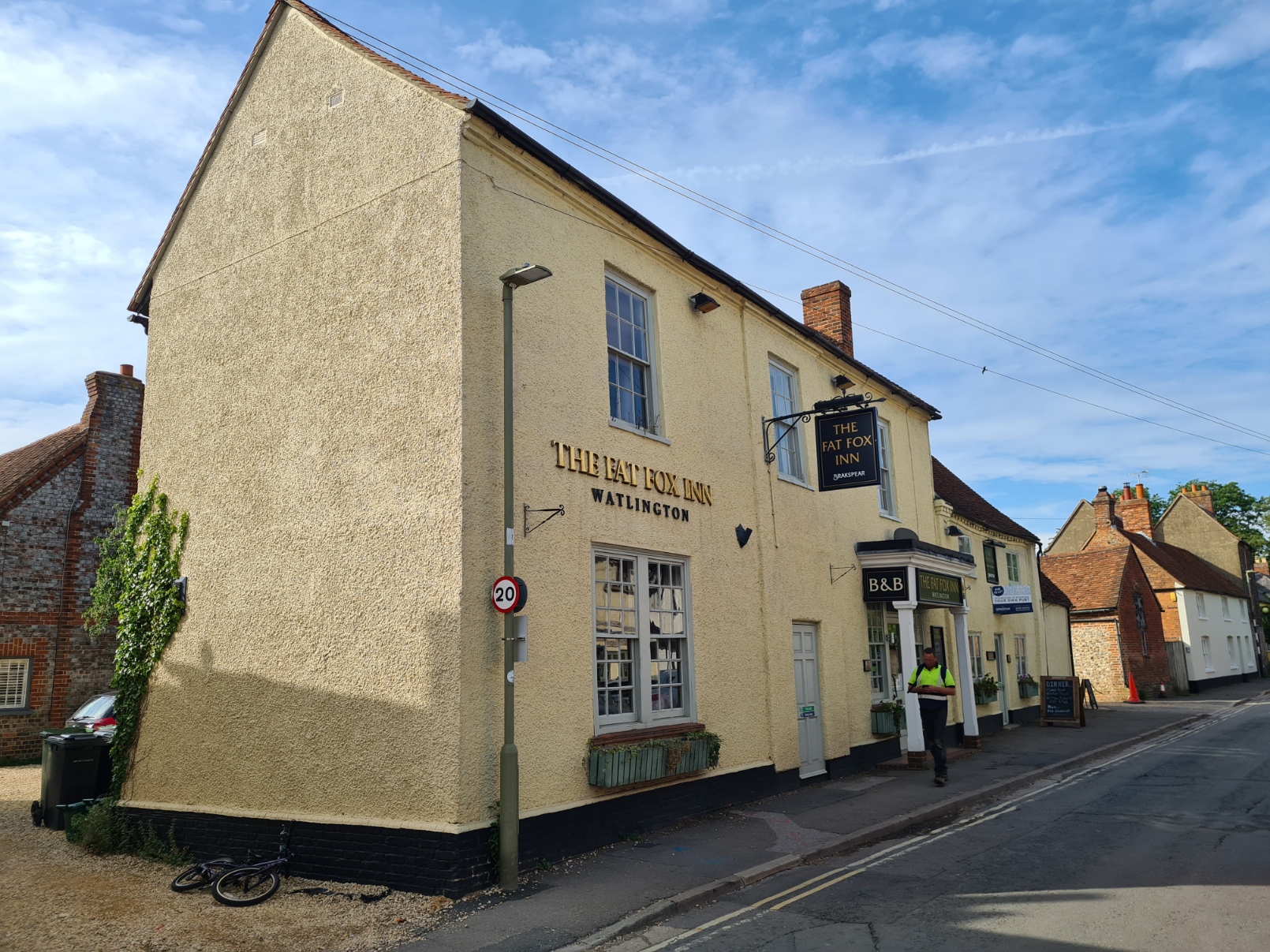
We are staying at The Fat Fox Inn in Watlington tonight. It had already been a longer day for the two of us but we had a further kilometre after leaving the trail to get to it. It may not sound a lot. It isn’t a lot, but when you have finished a section it is hard not to harbour resentment at any ‘unnecessary’ extra distance. At least the two of us don’t have to walk out later to find somewhere for an evening meal as we are also eating in the Inn tonight and had pre-booked a table in their restaurant for 19.30.
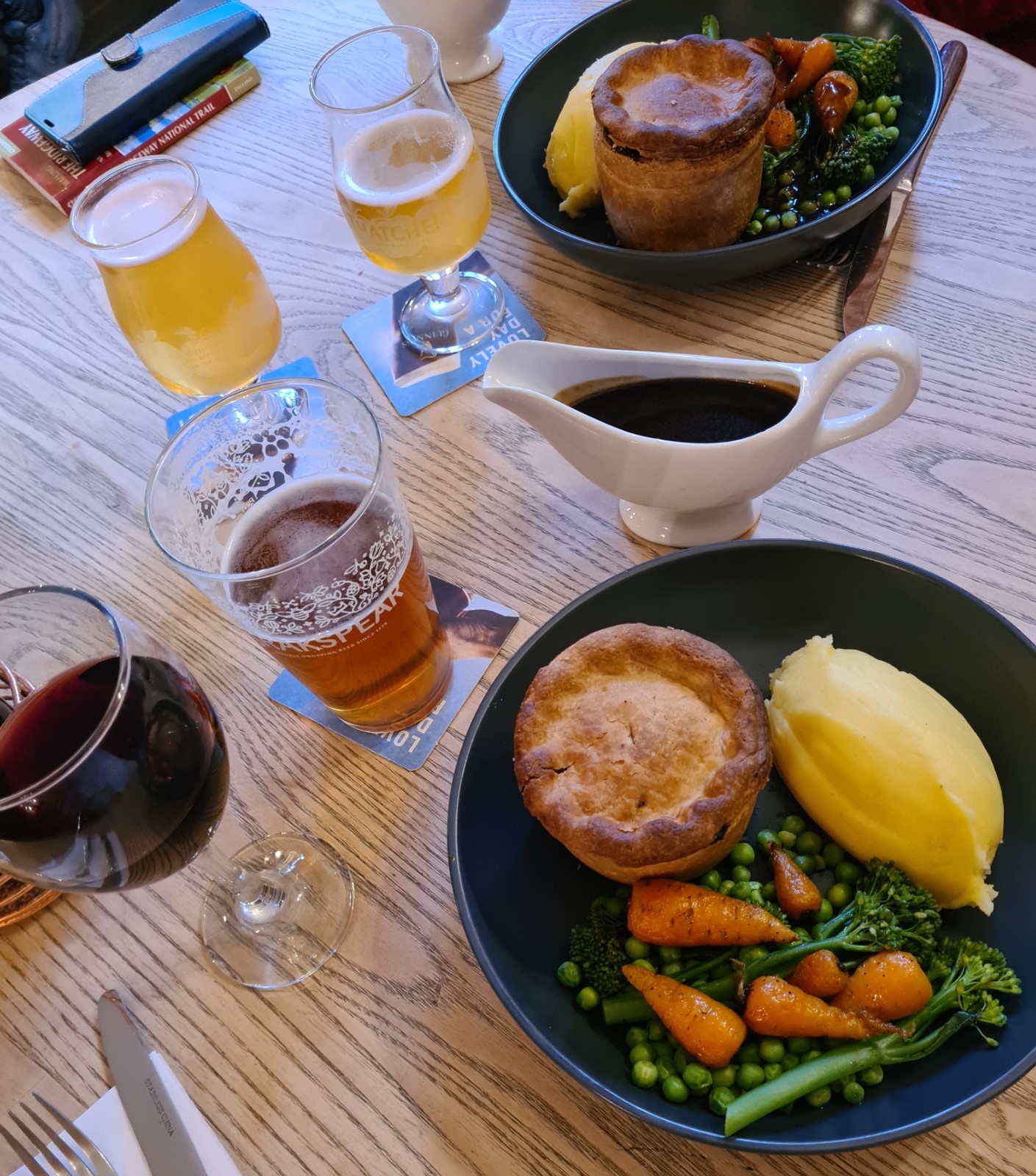
It is a great place and we had a lovely discreet spacious accommodation situated at the back of the rear courtyard. Checked in, we headed to our room to get cleaned up. I immediately plugged in my phone to charge and instantly tripped the fuse and the electrics for the entire building went. Back over to the bar to find someone to sort things out and restore power. That done, find another wall socket to plug the phone in to, and a shower and change into fresh clothes for the two of us. I walked out to find the town’s co-op to buy tomorrow’s lunch. Then back to collect Mrs Three Points and we returned to the bar for drinks prior to our meal. They had a couple of good beers on and I tried them both. A sweet malty 3.4% Brakspear Gravity and a 4% Oxford Gold from the same brewer, this was citrusy and clean tasting, just right for slaking the thirst of a trail walker. Though if I had any illusions that I had walked many miles today, these were soon shattered. The first two of an extended family and friends group of Ridgeway walkers staggered in to the bar. They were walking the entire Ridgeway in three days, and aimed on standing on Ivinghoe Beacon tomorrow night. While a couple amongst their number looked capable, a few could barely walk. I heard the following morning that one had gone home. Everyone to their own I suppose. I am willing to bet that none amongst their number explored any churches today.
Our evening meal was quite simply, superb. We each went for really tasty steak pies, accompanied by the extra veg that we requested. Calorie loading, I then had the best sticky toffee pudding (with ice-cream) that I have ever eaten. Later, the chef came out of the kitchen to chat to diners, a nice touch, particularly as it gave me opportunity to thank him.
Despite the one brief rain shower today, we had sheltered from it and stayed dry all day. It had been an enjoyable day’s walk, with churches at just the right intervals for periodic halts. The trail now had a very different flavour to the earlier wide chalk paths at the outset. Back to the room, clutching a glass of Tempranillo, for a film and good night’s sleep.
- The Ridgeway- National Trail
- Short film- Grims Ditch
- 2016- Planning
- 2016- Food
- 2016- Water sources on the Ridgeway
- 2025- day zero- Arriving at Avebury
- 2025- day one- East Kennett to Ogbourne St George
- 2025- day two- Ogbourne St George to Woolstone
- 2025- day three- Woolstone to Letcombe Regis
- 2025- day four- Letcombe Regis to Goring
- 2025- day six- Watlington to Princes Risborough
- 2025- day seven- Princes Risborough to Aldbury
- 2025- day eight- Aldbury to Ivinghoe Beacon and the Bridgewater Monument


St Botolphs church at Swyncombe is especially worth visiting in February for the Snowdrop Teas at weekends, when the churchyard is carpeted with flowers. It’s very popular, and the cakes and teas are lovely.
LikeLiked by 1 person