
A few items of new gear have been carried over the threshold of ‘casa Three Points of the Compass‘ in the last few days. While carrying out a few necessary preliminary tasks, retrospection and consideration of ‘what it is all for’ came to mind.
As a young man, just getting in to more ambitious plans when exploring the outdoors, I was stuffing cheap and cheerful gear into packs or panniers for my various trips and had little thought as to any concerns. It was simply getting out and doing stuff. I didn’t have much in the way of disposable income back then and much of my gear came from the old style Army and Navy Stores or Silvermans, mostly ex-military or generic ‘camping gear’.
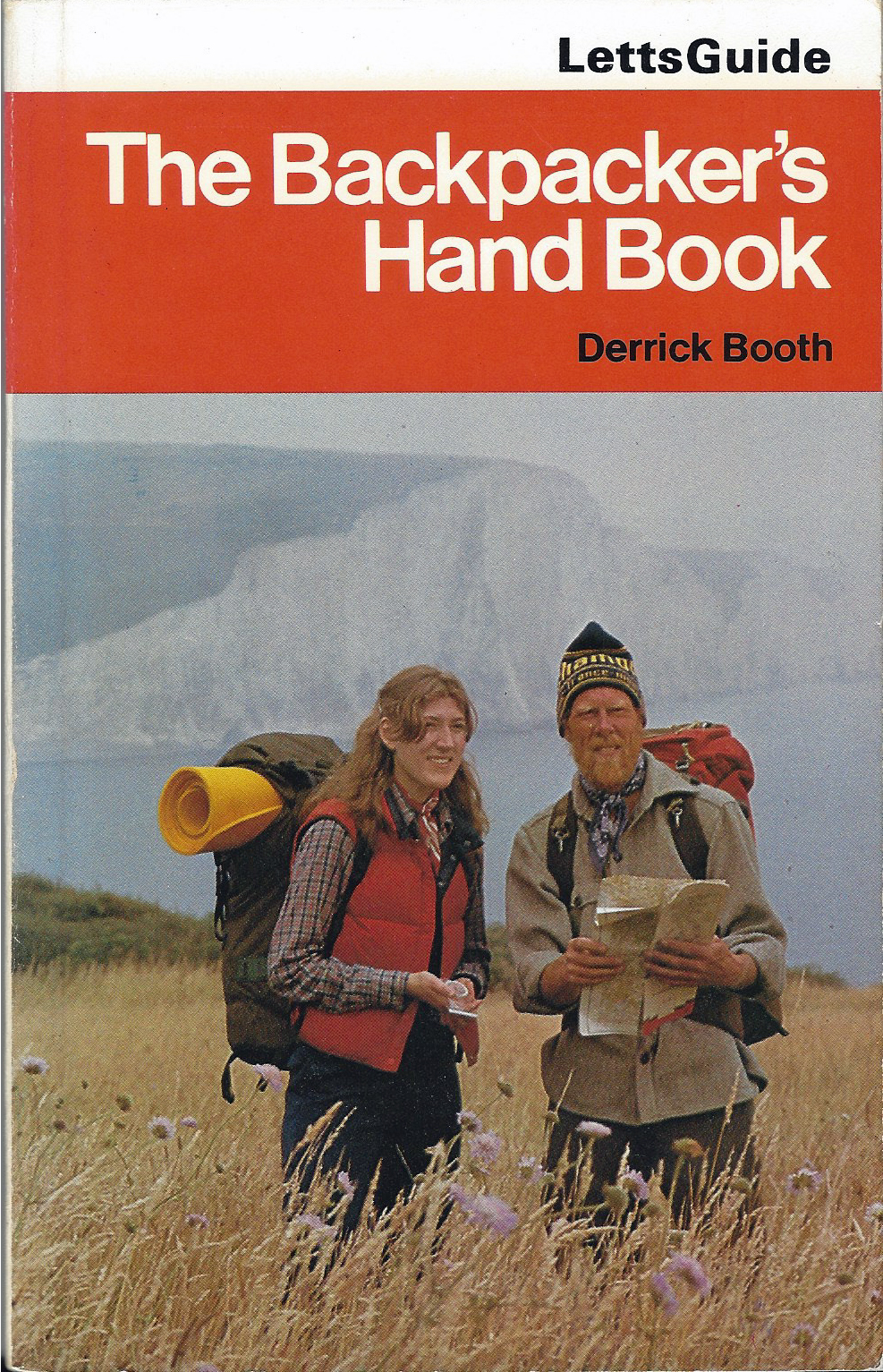
Derrick Booth’s The Backpacker’s Hand Book, first published 1972, guided me in the right direction. I devoured his advice and with the few coins I could gather, a plastic pint mug, Camping Gaz Globetrotter stove, and a carefully selected closed cell foam Karrimat sleeping pad were purchased from Woolworths. They all lasted me years. The mat lasted longest, until I cut it up to make pot cosies. I didn’t focus too much on the weight of gear as there wasn’t much in the way of choice back then. On various paths, invariably in the UK at the time, this callow youth strode up hills and bounced back down them with an easy step and a wilful youthful abandon that has almost faded from memory.
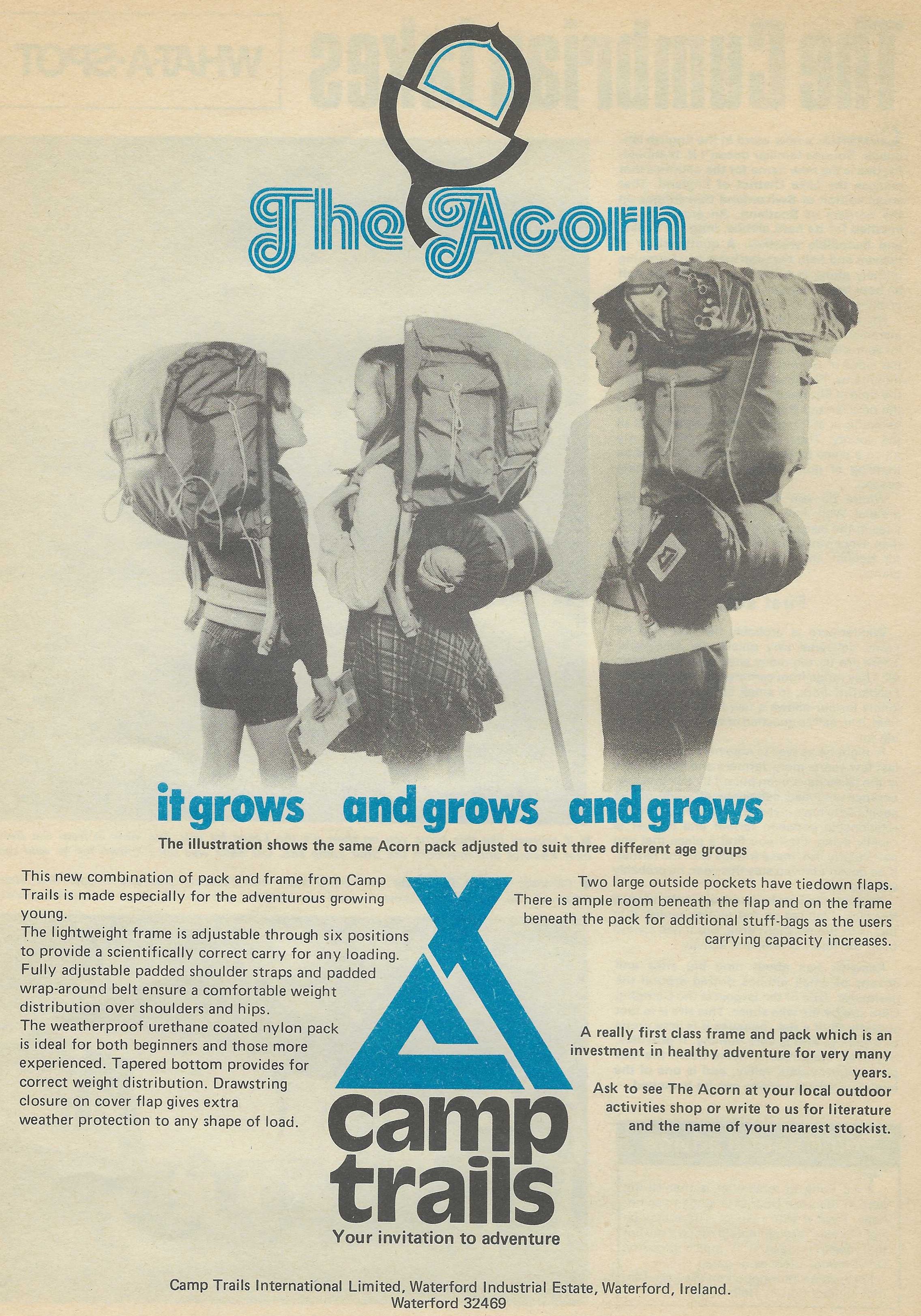
The situation with outdoor gear quickly changed and amongst my first expensive ‘backpacking’ purchases was a bright orange nylon backpack, possibly also from Karrimor, though it might have been a Camp Trails pack. My memory fails me. This was a great deal lighter than the heavy canvas packs I was familiar with, which were usually stretched across a steel frame, unlike the light alloy, external tubular frame of my new pack.
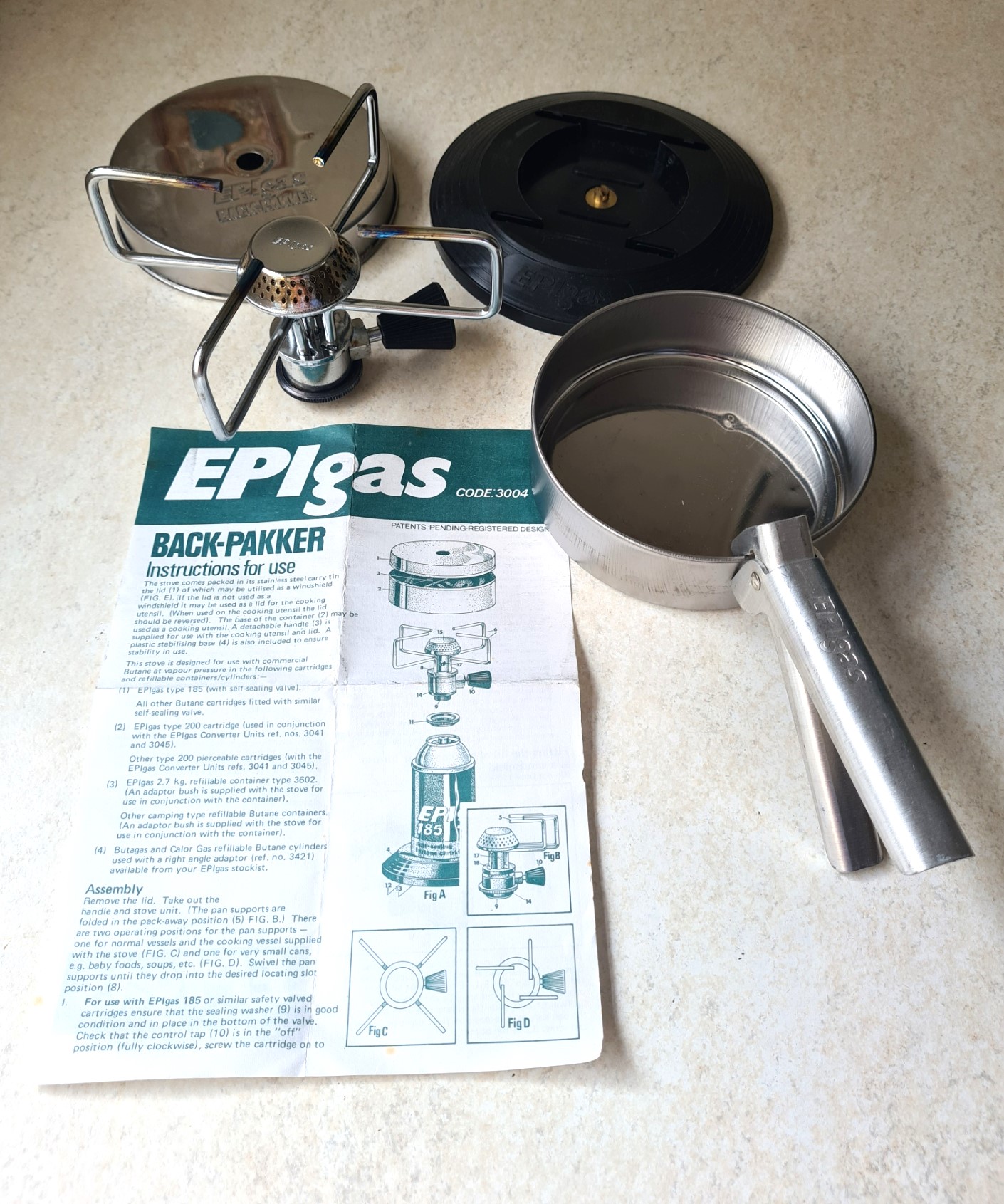
Even back then I was developing into a bit of a stove butterfly and I began a lifetime of experimentation. At first flitting between a reliable bomb-proof Trangia and an EPIgas Back-Pakker. I still have the latter. It never gets out these days but I’ll probably do a post on it one day. They were good stoves, but not every choice I made was the right one. On many a night, laying awake in the small hours, shaking with cold, I had plenty of time to consider my poor choice of sleeping bag. Later, if it wasn’t a British Army green ‘maggot’, stuffed with a cheap mix of down and feather, it was a tight mummy-shaped Buffalo sleeping bag with a thick brown pile inner in which I sweated profusely.
The only part of me that I could keep cool in that expensive purchase was my upper chest due to a central zip that only opened quarter length. What was worse however was its weight and bulk, easily filling a third to a half of my pack. I stuck with it for years, up to the point it, and just about all of my gear, was stolen during a beer festival at which I had planned on camping out after. That’ll teach me to leave it unattended when I go for a last pint. All lessons learned…
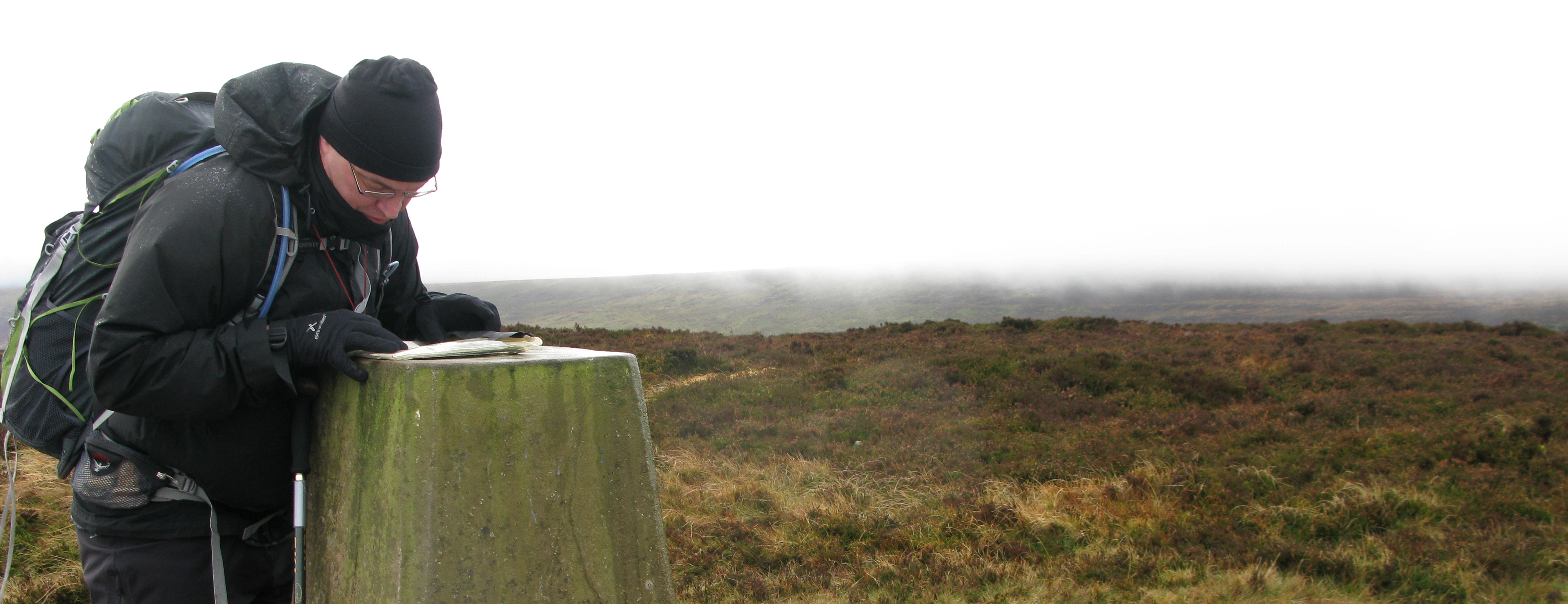
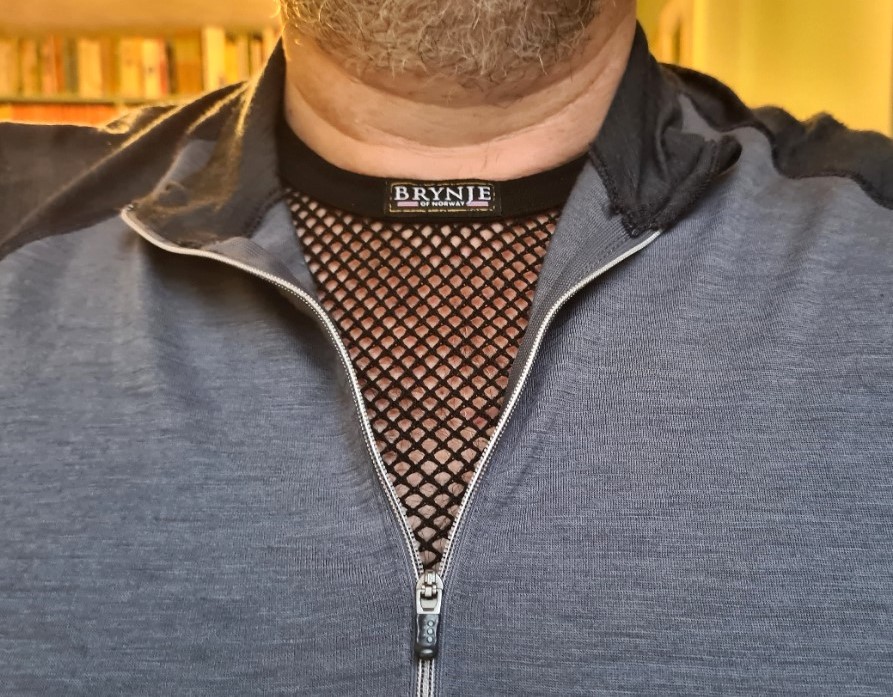
I had a break from backpacking for a few years while I concentrated on a career, music and late evenings, marrying and starting a family. Family camping in later years led me to heavier, car-borne gear, but when my daughter grew up I gravitated back to backpacking as I was missing solo travelling. I was a little surprised to find how much manufacturers had begun to focus on producing truly lightweight gear. It was just at the right time to snare me. I was ever more conscious of wanting to reduce both weight and bulk on my back and I now had a little more disposable income. While home-grown new-generation gear was beginning to be made in Europe, most truly lightweight gear was either coming from or at least inspired by the U.S. market. This was also the time of the internet, which encouraged a welter of cottage gear manufacturers, even lone individuals, to make and sell their products online. Word of mouth, okay Reddit, was everything, as the outdoor publications tended to ignore smaller cottage-gear in their reviews. The world might just beat a path to your door if you had a good idea but the big guys were keeping an eye on this lost trade and most manufacturers ensured that decent developments in desired lightweight efficient ‘gear’ became part of the R&D, cloned, or at least rebranded. That said, some brands had been quietly doing it for years. UK based Rohan has been producing decent lightweight outdoor clothing since the early ’70s while Norwegian firm Brynje has been supplying mesh underlayers for decades longer, a ‘technology’ that is being revisited by the most modern of materials such as Polartec’s Alpha Direct. I purchased clothing from both.
There is a risk of us being fleeced and it pays to do the research and find out exactly what it is that is being purchased. Advertising is very very good at convincing us that we simply must have the latest greatest item of gear. Much of it is pretty costly. I understand that product development takes time and costs money, but that doesn’t explain the extortionate mark-up some companies are attempting to justify.
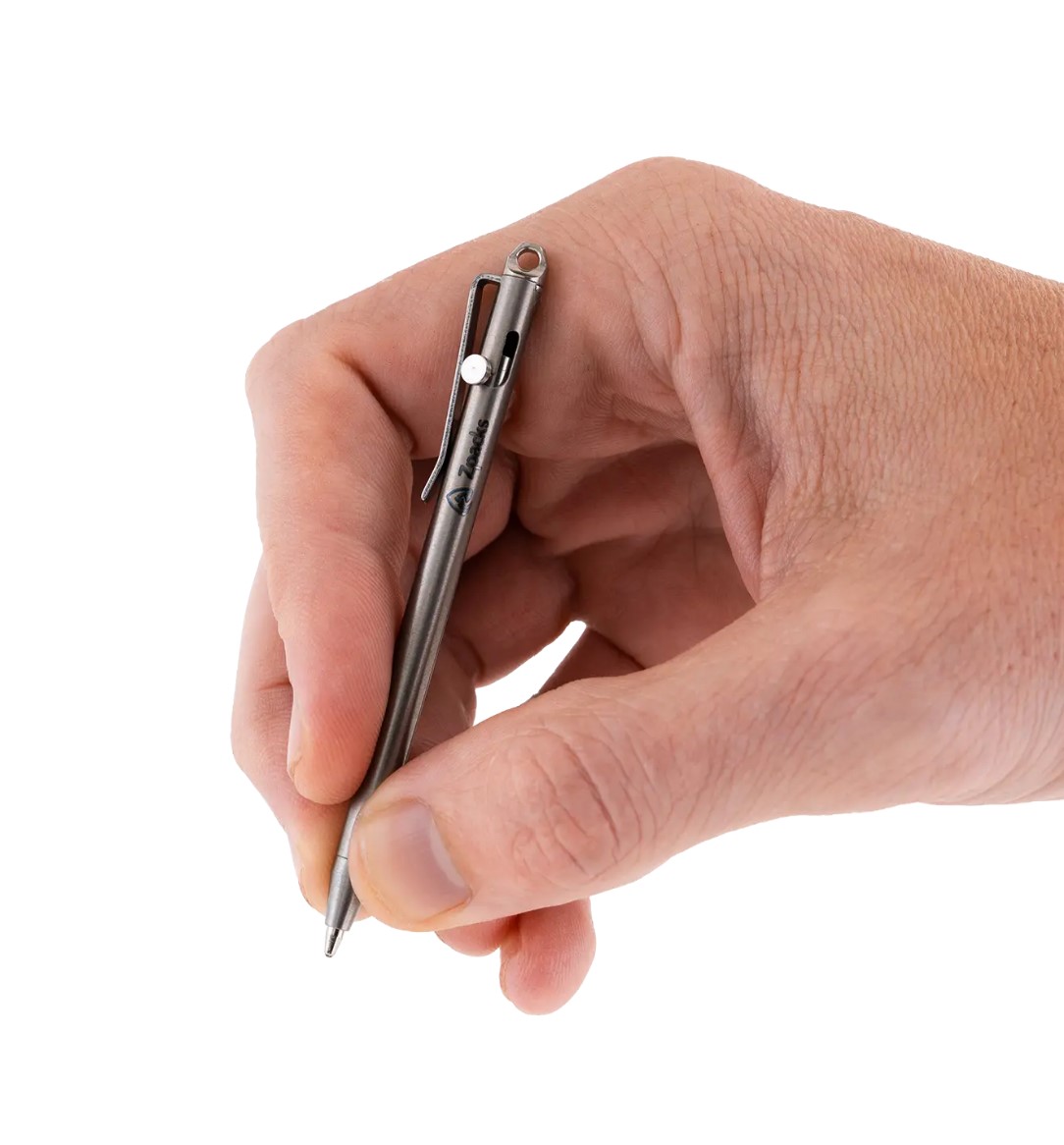
By way of example, I am one of the few guys out there who still likes to keep a journal on trail. I have done my experimentation with various notebooks and know what I like. But with pens, there is a lot of choice, much of it very good. I have been experimenting with Ultem pens recently (more on that in a few days) and also recently saw that Zpacks are selling a little 4.5g Titanium Trail Pen. I thought about purchasing one, but didn’t. It retails for $19.95, which is a lot of money for not-a-lot-of-product. It didn’t stop there. Taxes were an additional $10.78, which is a bit out of the control of Zpacks, but shipping to the UK was a further $34.95. No thank you! I looked on AliExpress and found it was simply a rebranded pen produced in China and I purchased the same pen for £1.96. Alongside another fivers worth of goods, shipping to the UK was another £2.99. I shouldn’t gripe too much about shipping costs from the US. They hadn’t put me off purchasing a pair of Zpack’s lightweight Camp Shoes earlier!
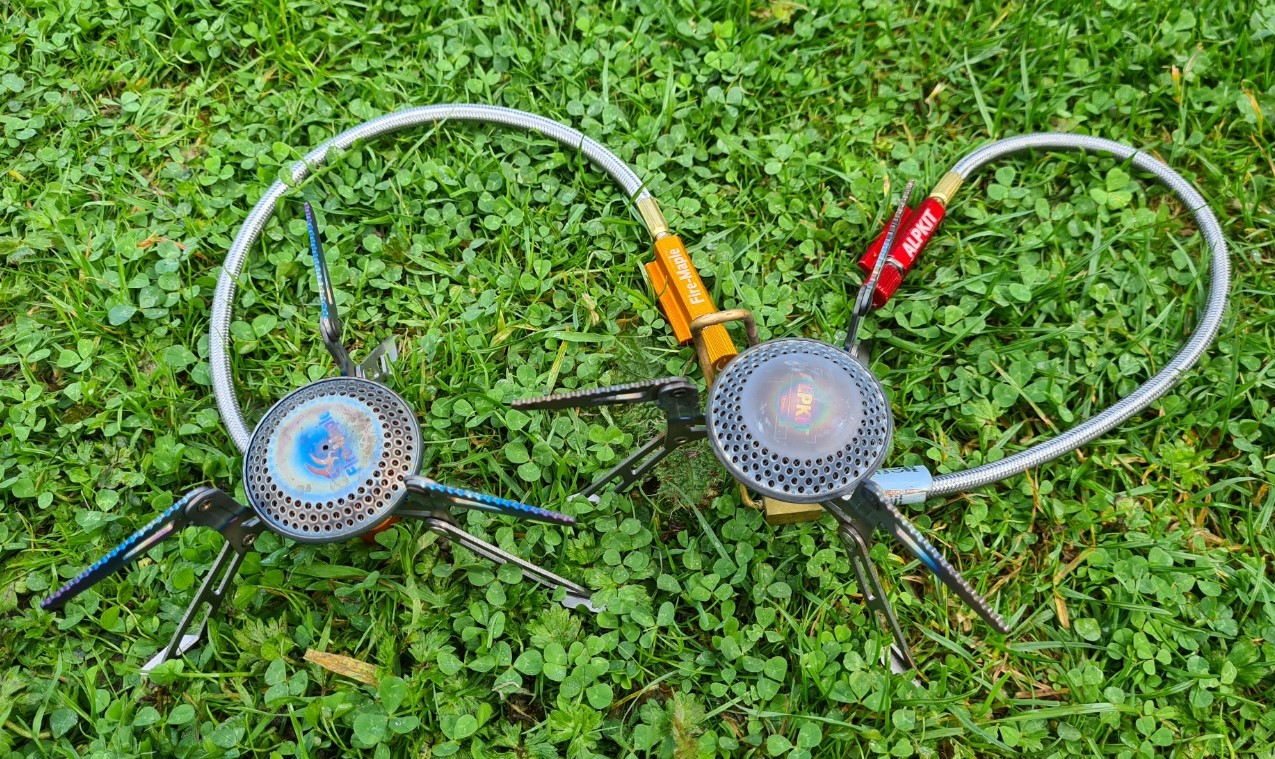
I have frequently encountered this form of ODM in the outdoor gear world. Chinese supplier Fire Maple (a brand of manufacturer Deer Maple) market their own stoves, while also producing stoves for Alpkit, Eifel, Robens, Outdoor Equipment, OEX, Olicamp and others. Korean manufacturer Kovea also make stoves for MSR, Snow Peak et al. There are occasionally advantages in buying the brand however, extended warranties or returns policies for example, caveat emptor.
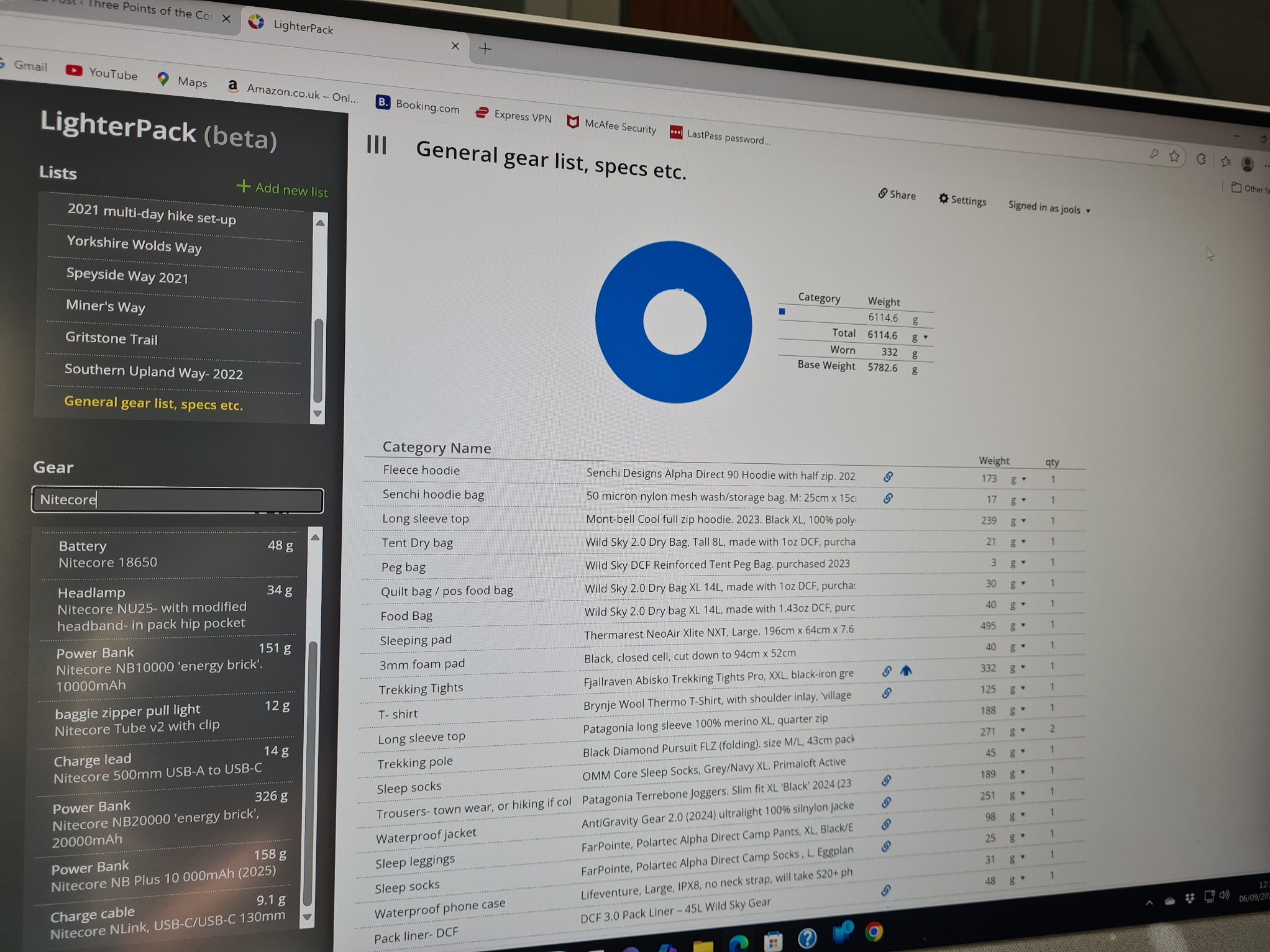
Two things that aided me in reducing pack weight, or at least keeping a close eye on it, were Lighterpack and a set of scales. Lighterpack replaced my former Excel sheets. It gave me a more user friendly method of tracking weights and various gear load-outs. It has been partly usurped for many by various alternatives such as Packstack and Packwizard. I remain with the original though do find myself relying on it less these days. It is now mostly just used for recording weights of new gear rather than specific trail load outs as these tend to vary less and less.
All this gear did me just fine, at least for a few years. My experience and understanding of what I was doing gradually grew over the years. I explored new destinations, slowly pushing myself as a solo backpacker. But at the same time I gradually aged and the body became just a little more fragile. Another reason to carefully watch the amount of weight that I put on my back.
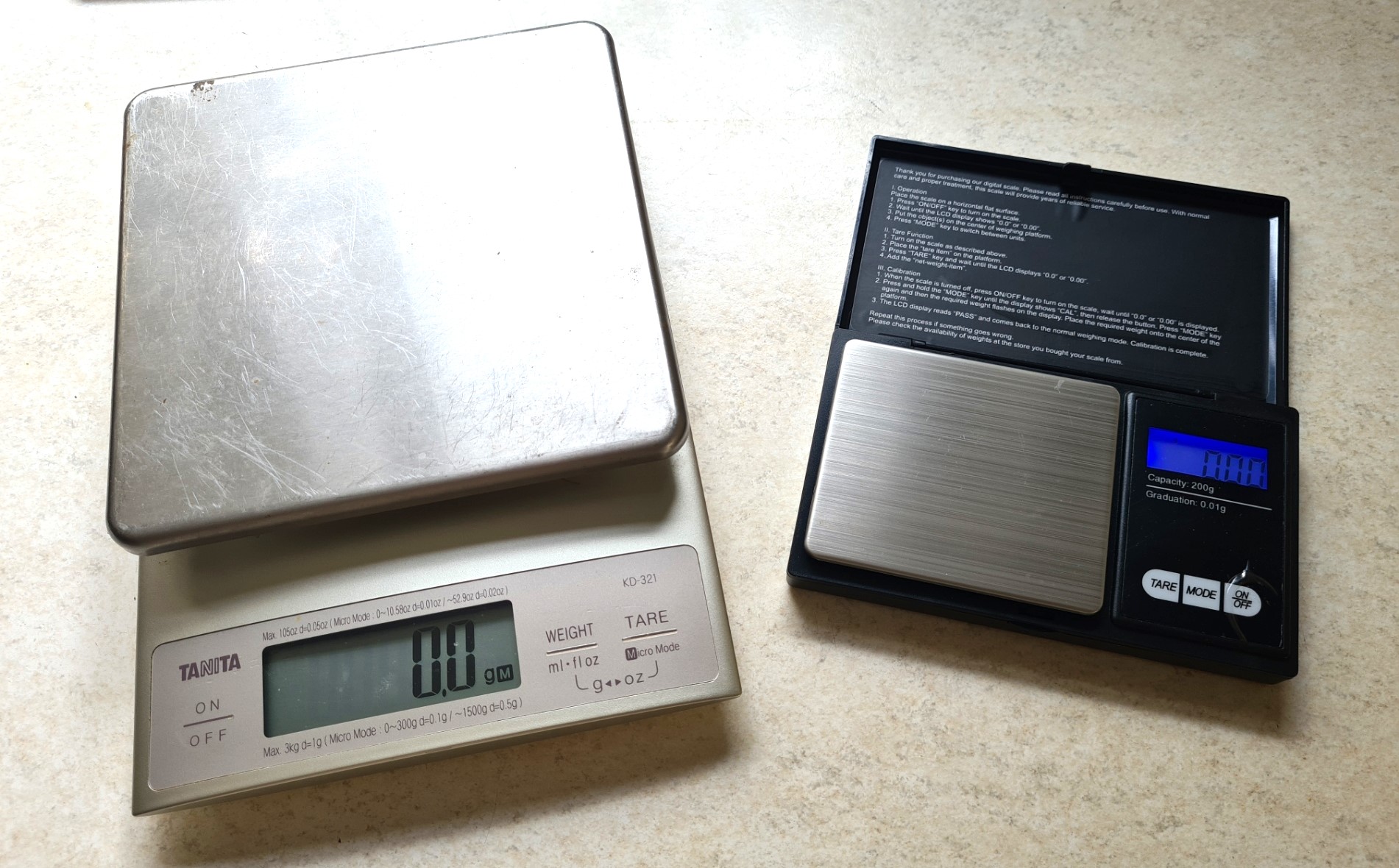
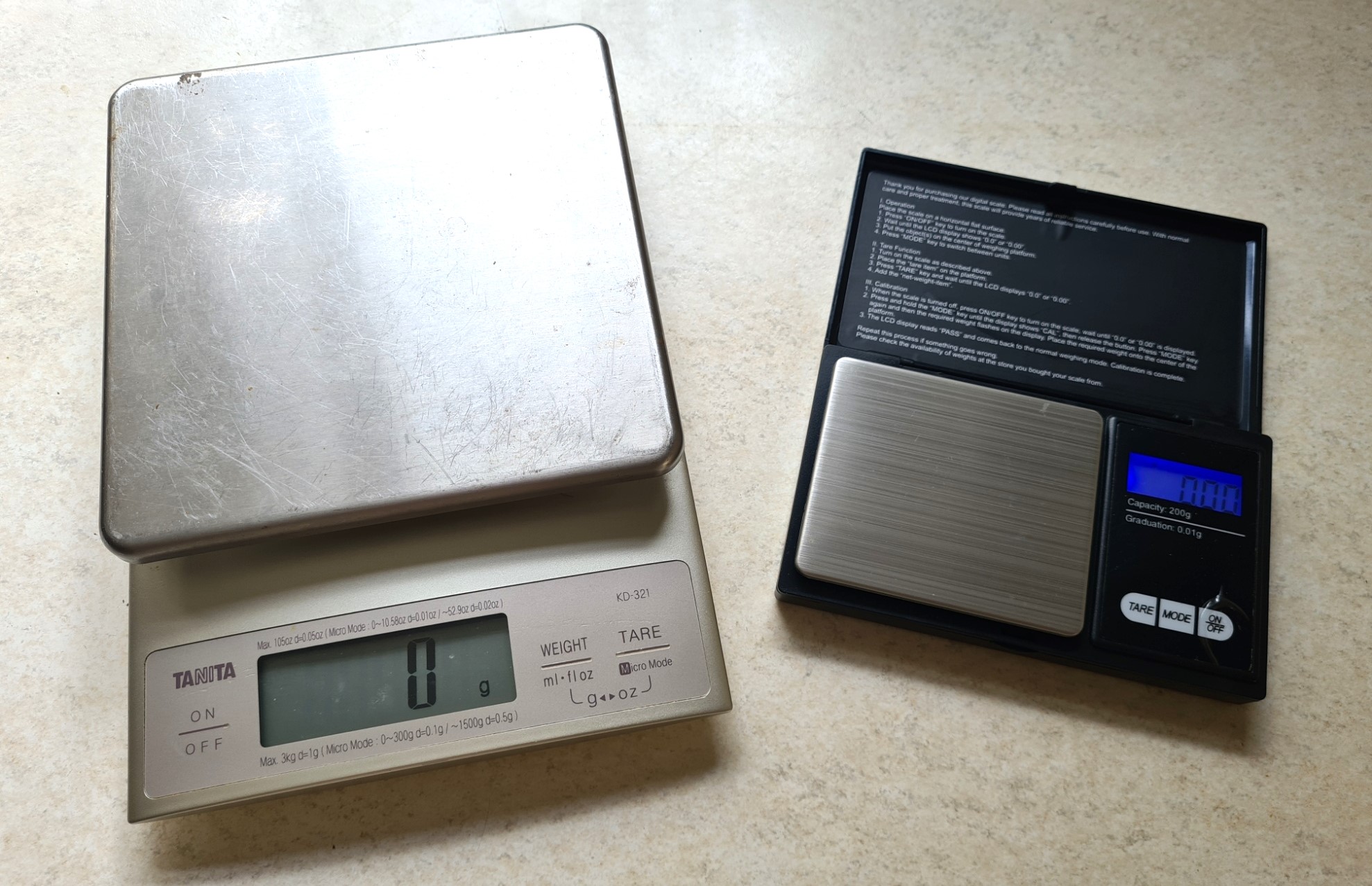
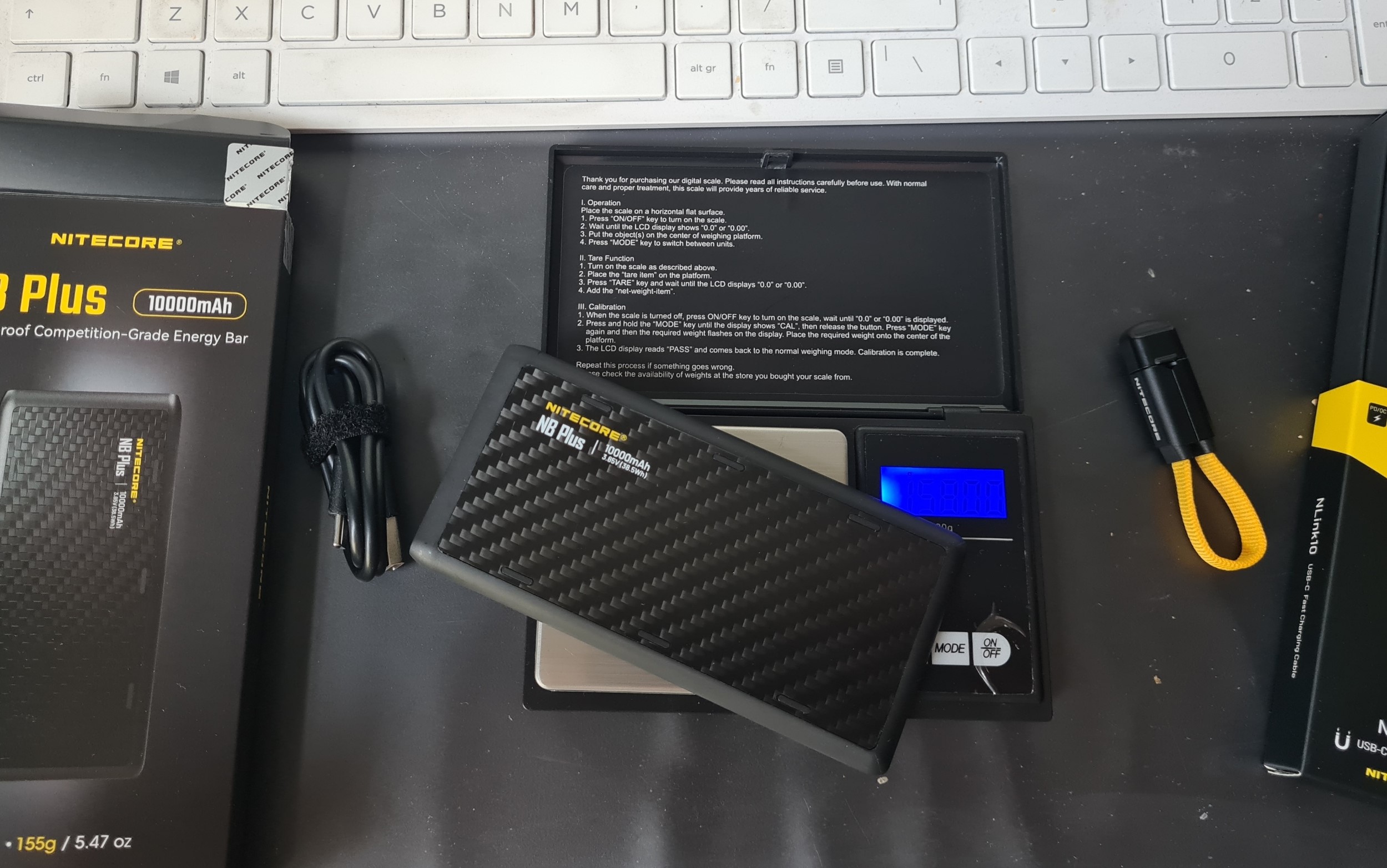
Amongst the first item of gear most backpackers should be looking at when dialling in their gear is an accurate set of digital scales. I use two; a pair of decent kitchen scales for larger and heavier items, and a smaller set of scales for items up to 200g, which I mostly use for small items up to the 150g mark. I check just about everything against these and they invariably reveal the falsehood of advertising. You will see an advertised weight repeated ad nauseum by gear reviewers. Slap it on your own scales and you find the truth of the matter.
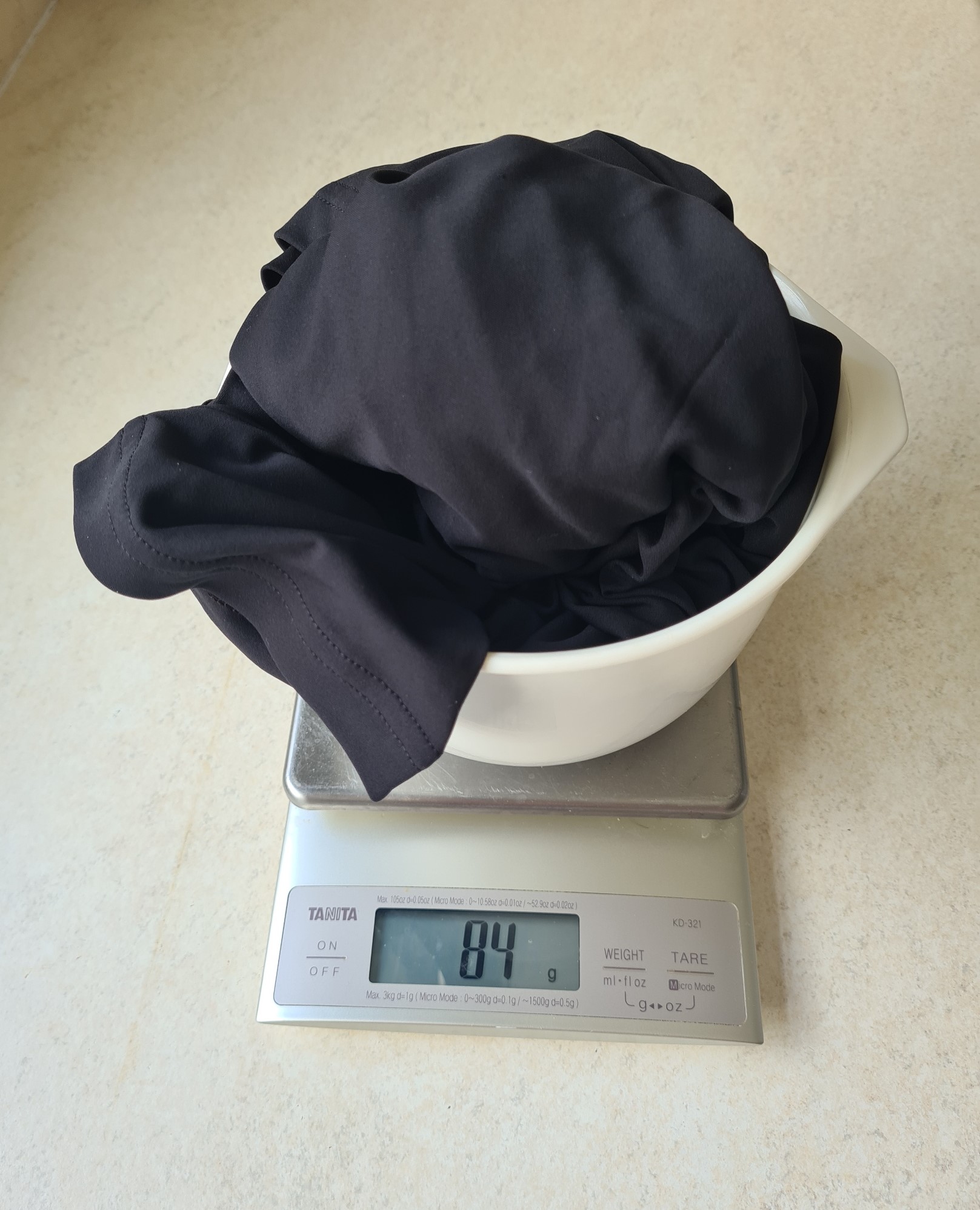
For clothing/apparel, manufacturer weights invariably refer to a size Medium. I am a pretty big guy and haven’t squeezed into anything medium in many years. Anything coming in at Large, Extra-Large, or even Extra Extra Large, is going to weigh substantially more and my Lighterpack will be many grams, possibly as much as a kilogram, more than another hiker, size Medium, with the exact same clothes.
Various groups of hikers will concentrate (often fixate) on particular aims or definitions in pack weight, frequently deducting ‘worn weight’ or consumables in an attempt to reach some mythical target. The latter is water, food and fuel. I often see toothpaste, sunscreen and the like also being happily deducted in the pursuit of a destination target weight.
If a trekking pole is also being used as a tent pole, apparently it becomes ‘worn weight’ so can be ignored, hmm. It is all a nonsense of course as it all has to be carried. But if that is what makes you happy, then go for it.
If you really cannot be bothered with measuring each item, then at least use a pair of bathroom scales to get your ‘skin-out’ weight. Step on wearing your pack and hiking clothes, then weigh yourself naked, deduct the one from the other and reveal just how much you are carrying when toiling up that hill. Get home from your trip, empty out the pack, and consider exactly what wasn’t used or necessary. Need it go next time? I still, even after decades of hiking, carry out this exercise.
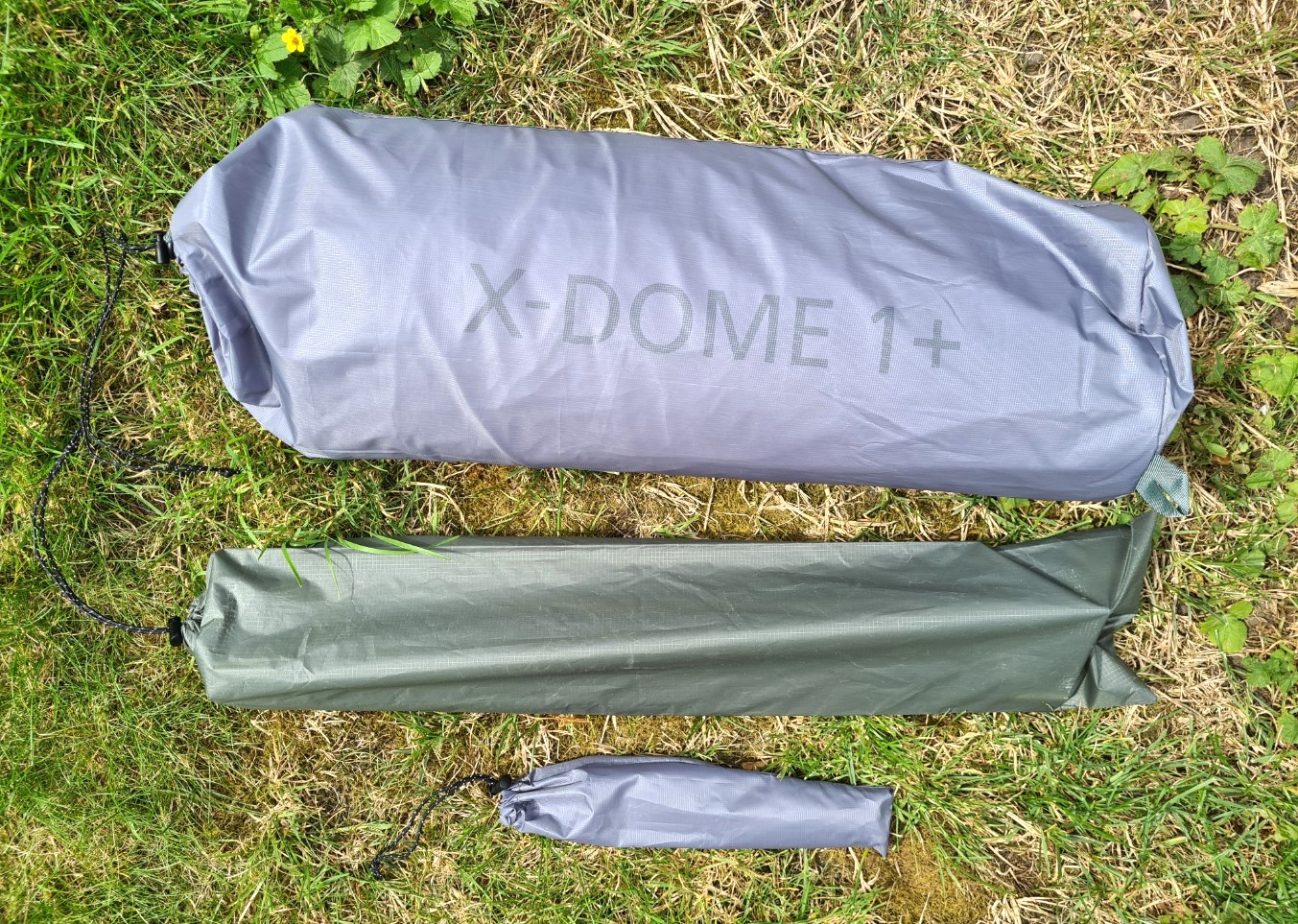
I was excited to recently receive a newly purchased Durston X-Dome 1+ tent. This is a free-standing tent and adds another choice to my small collection of shelters. Obviously the first thing I did on unpacking it was throw the component parts on the scales. I was pleased to find that total weight was only 23g (0.8oz) over the manufacturer weights. There is always going to be a little variation in materials and it only takes the slightest of difference in coatings to the many metres of material used in it’s construction to alter from the manufacturer test weights. I found that, as usual, it was very slightly over, it never seems to be under.
| Durston X-Dome 1+ | Manufacturer weight | Actual |
| Fly | 400g | 397g |
| Solid inner | 365g | 384g |
| Poles (regular) | 280g | 280g |
| Pegs/stakes 4×8” | 64g | 65g |
| Pegs/stakes 4×6” | 28g | 29g |
| Total | 1137g | 1155g |
| Tent stuff sack | 15g | 19g |
| Pole stuff sack | 7g | 8g |
| Peg stuff sack | 3g | 3g |
| Total (stuff sacks) | 25g | 30g |
| Total | 1162g | 1185g |
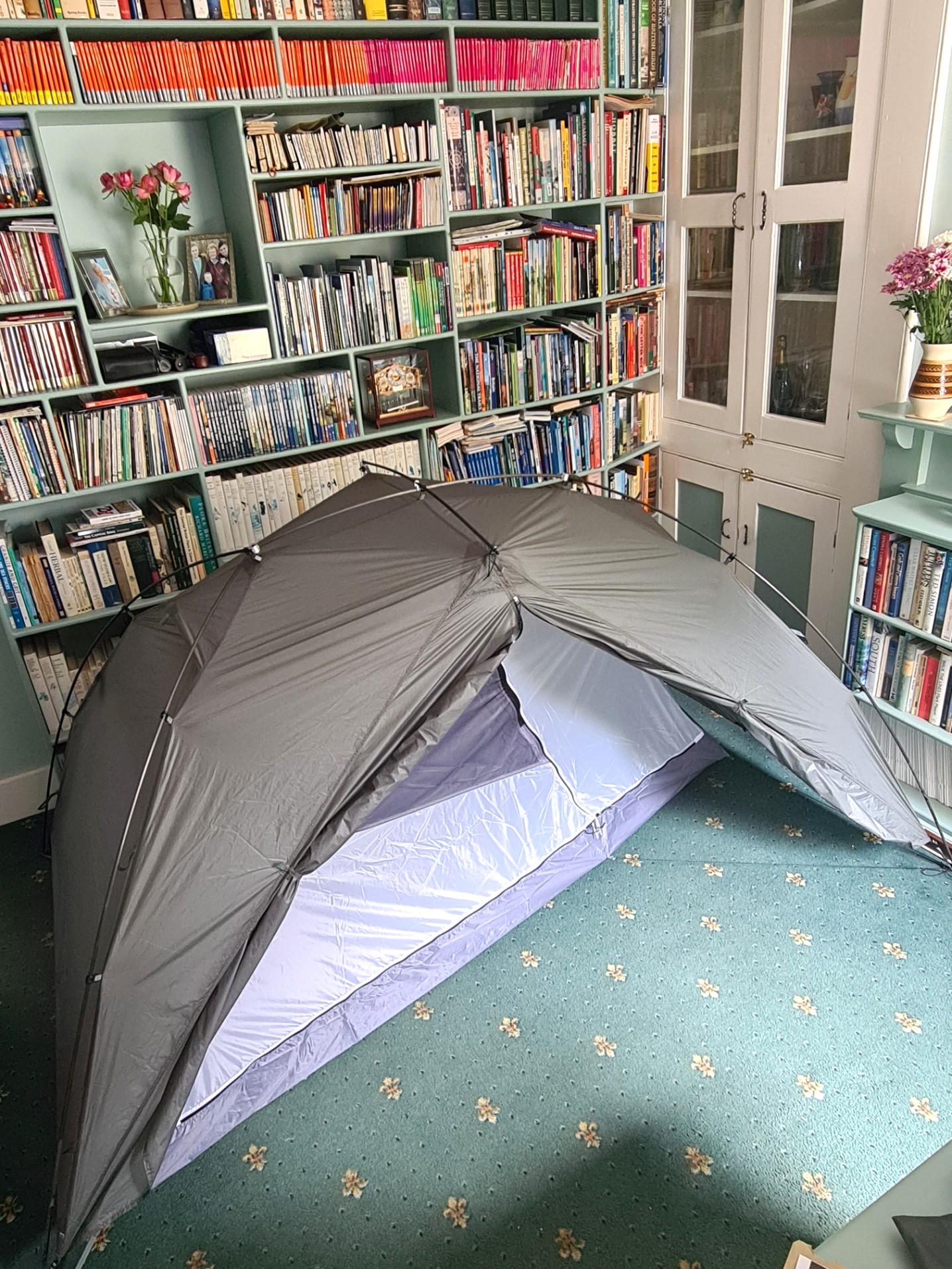
The task of weighing complete, it was time to erect the tent. It was a wet day, but I somehow squeezed it into my office space. This was a first try at erecting it and I’ll repeat the exercise a couple more times before it accompanies me out on trail, practicing either out in the garden or at some other local green space. This is a process that should never be left until out on the hills. It was my chance to check that everything was in place, nothing missing and familiarise myself with a new shelter and its foibles. You can guarantee that a good proportion of nights on trail are going to coincide with weariness, rain, wind or increasing darkness. Not the time to be learning how to put up a new tent or finding that part of it has been left at home.
As backpackers, we are fortunate to now live in a time of great choice. Some items of gear have probably reached their zenith in development. Any advances from here are mere handfuls of grams and most advances will focus on durability and environmental footprint. The search for the holy grail continues of course. Waterproofness will always butt up against breathability in hard shells, I doubt that particular headache will ever be truly solved. Synthetics vs naturals (down and wool), titanium vs bamboo, the search for power-miserly tech requiring support from the lightest and highest useable capacity of batteries. Then we have the advocates for ‘systems’, such as sleep systems: closed cell pads vs inflatable, sleeping bag vs quilt. The arguments continue- single skin shelter vs double skin, DCF vs polyester or nylon flys, shoes vs boots, stove vs stoveless, hard copy navigation vs digital, and so on. Actually, that last has probably already been lost. I can see why it is all getting a bit tiresome for some. Perhaps if more of us just stuck with what we like most, occasionally experimenting to see if there is a way that might suit us better, while also being a little less judgemental. Or is that just my thin skin, cos there are a lot of Nitecore haters out there. Why, I haven’t a clue. If you don’t like the product, don’t buy it.
I included the term retrospection in the title to these ramblings. This is the action of reflecting on past actions, events and experience. But perhaps it is just as much about introspection- examining my own thoughts, feelings and experiences. It is that self doubt that occasionally crosses everyone’s mind at some point, especially during those low moments when the trail, or just getting out of bed, just simply… hurts. But for most of us, we come out of it all the stronger mentally, and after a while, can’t wait to experience the trail again, the very essence of type two fun. While I continue to push myself where I can, I have also reached a period in my life where I have ‘happily’ accepted that some things will never be achieved. Most of those very long hikes and trails that were once part of my ambitions are not now going to be walked. The great American trails, the length of New Zealand, top to bottom across Europe, they have slipped away from me, too many years passed.
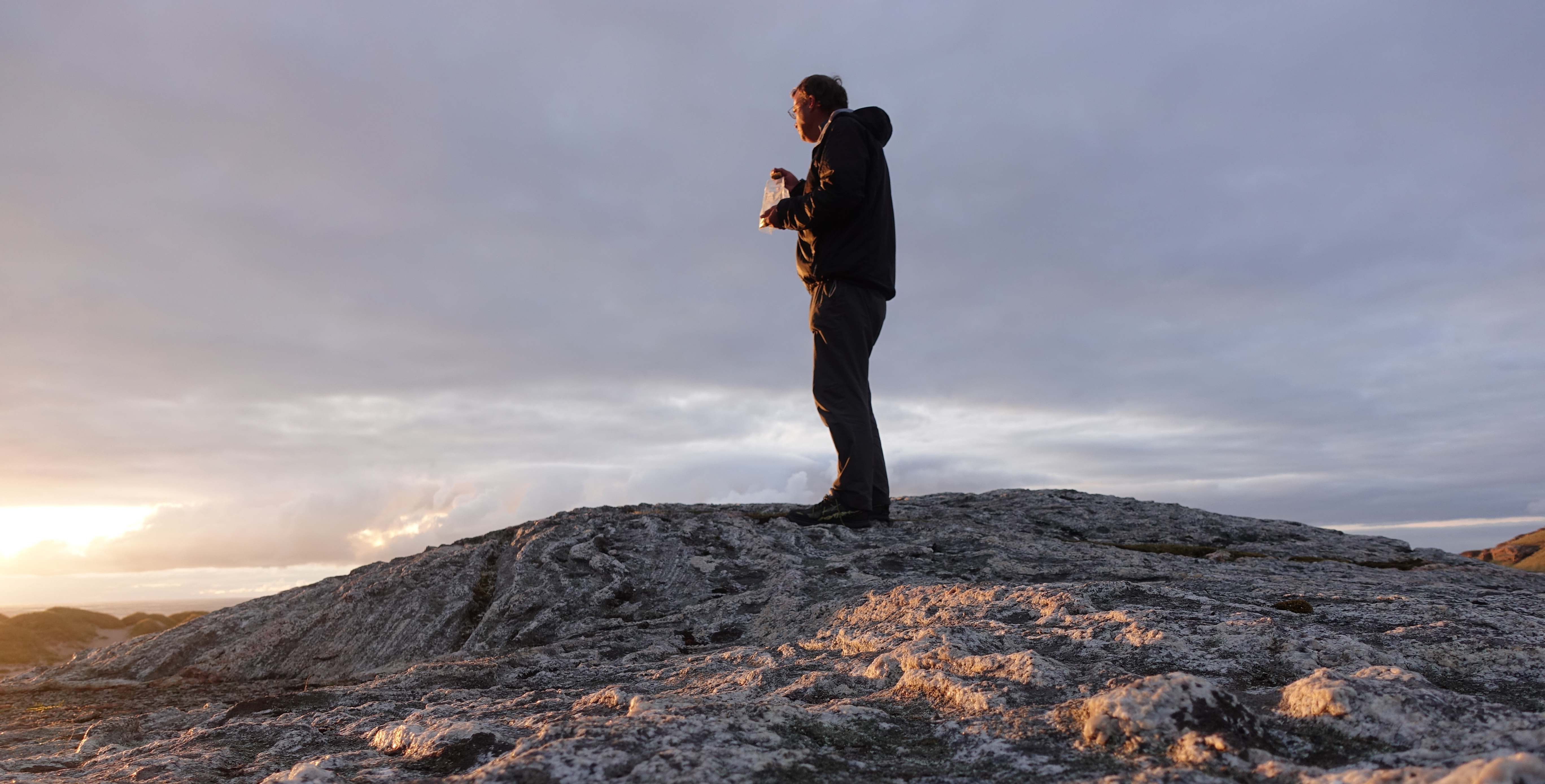
But longer multi-day trails remain in my plans and it will be the gear on my back, many years of experience, combined with a slowly built mental resilience that will aid me in achieving any ambitious plans still to be realised. Like most out there, I am no great athlete. Injury and ageing has played its part. A decade ago I struggled with plantar fasciitis for two and a half years, and life still often gets in the way of plans. In addition to considering the gear I carried on a trail, at the end of every trip, it is equally as important to consider how was my body, what exercise or stretching might help, how many more years do I have in me, how much longer will these legs continue up the inclines and the knees on the declines? If not with that once youthful abandon, then at least at an old-man pace. The internal dialogue is thankfully still mostly positive. For now, there is still life in the old dog. And a rather large old dog at that. It is not just those two sets of kitchen scales, bathroom scales also tell the truth.
All we want to do is to continue to push ourselves a little, knock off some particular individual challenges, build resilience and mental strength. Such challenges come in many forms and always will. A gentle walk for a few hours in the countryside is an important thing for us all to enjoy. Long may I continue to do this despite stiffer joints and a more cautious demeanour predominating. Such effort is obviously a challenge for many now, and will no doubt be a struggle for me in the years to come. But not just yet.
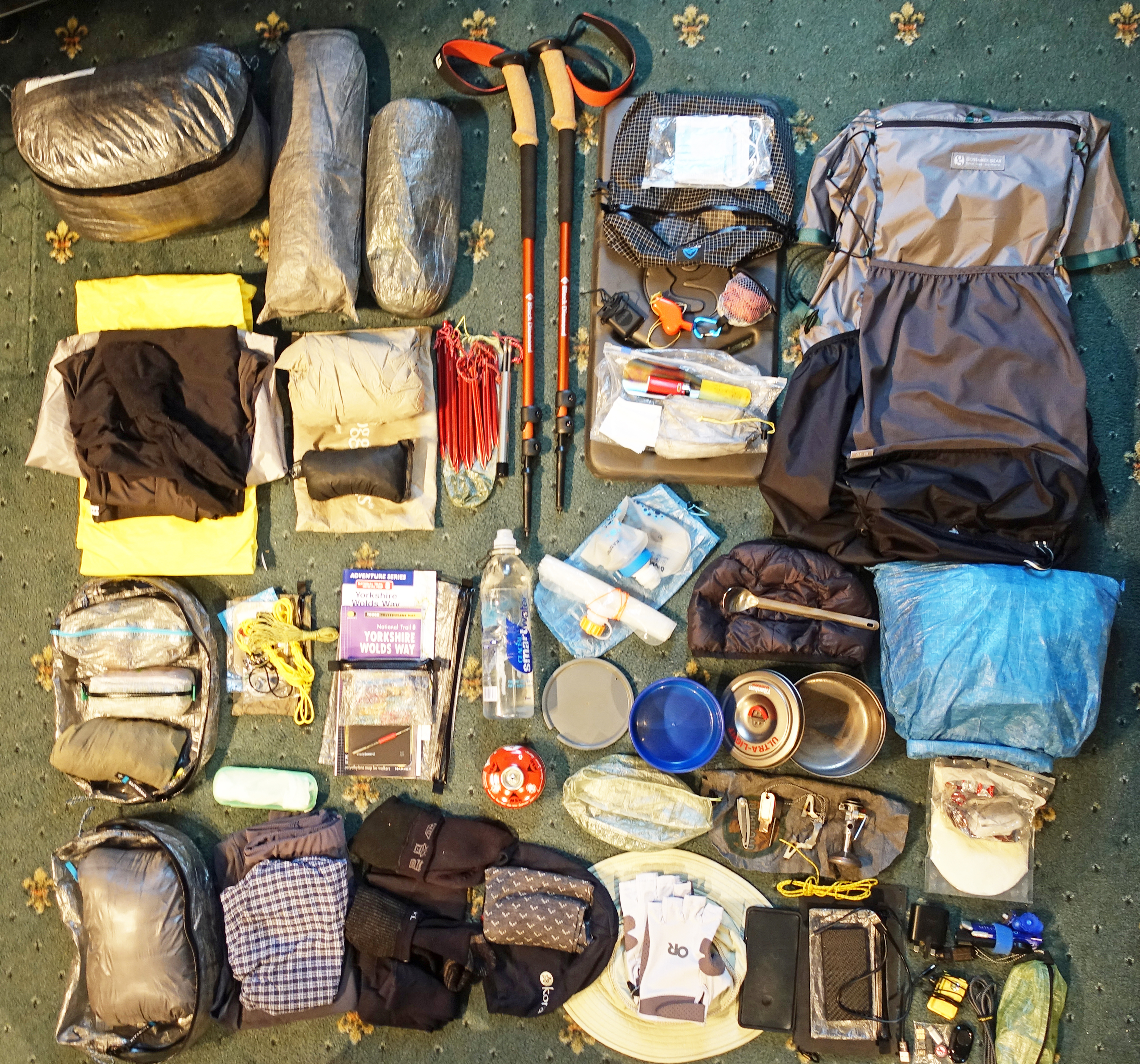
Multi-day backpacking can throw up many issues and while a multitude of ‘stuff’ on the back may appear to be the answer, the important thing is to remember to keep the fun element. It simply isn’t all about the gear. All that gear is actually supposed to do is enable any of us to access the outdoors in a safe and comfortable manner, with as little impact on the environment and others as is possible.


 Three Points of the Compass
Great website and newsletter, but I could not find yet a good picture of the inside of a curvimeter: Does it work with tiny cogs or little belts? Where on your site can I find one? Thanks, Bas from Holland
>
LikeLiked by 1 person
Usually cogs/gearing. I have shown the internal workings with the occasional measure. I’ll do another at some point
LikeLike
Great article! I’m in pretty much the same space in my life/outdoors life. Keep ’em coming!
Gav.
LikeLiked by 1 person
Thank you for another great article, fun to remember old gear….i still have my Trangia..the first item i bought with my first every salary cheque in 1982. I also have only just disposed of my Berghaus AB65 after its final use at Glasto! And still laugh at the old Rohan Bags reviews…remember my Venture Scout leader having a pair but at the time they were the Arc’teryx of the 80’s and too expensive for me!
LikeLiked by 1 person
I had a HUGE Berghaus. Just as well as I carried so much bulky gear. I think it was a hundred litre pack. Rohan have long been the unsung hero of decent lightweight clothing, even today
LikeLiked by 1 person
I used to have an 80L Regatta which I filled with so much rubbish.
I still have my Trangia and a Karrimor (Pre-Sports Direct) fleece from then.
LikeLiked by 1 person
I had a Berghaus fleece for years. Eventually the zip gave up after almost daily use. Somehow, I found the receipt and tag ten years after I had purchased it (yep, I keep crap that long). It said that it had a lifelong warranty if any parts failed so on the off chance, I dropped it into Cotswold Outdoors, where I purchased it. The staff laughed at me but said “OK, we’ll send it off”. Two weeks later it was returned, complete with new zip. I got another five years hard wear out of it. Some items of gear are well worth the expense
LikeLike
Many thanks for sharing those “ramblings” 🙂 The last paragraphs, about retrospection struck a similar chord in me, however I am still angry at myself for the way I handled my life. Well, for me this and that opportunity didn’t slip, I let them… (I know, you wrote about the trails, but in grander perspective all the words apply to life itself). As for more personal photos you shared, your home/office, I love them, the spirit of your place is so charming. And the shelves full of books! YES! 🙂
LikeLiked by 1 person
Ah Macias, the eternal poet. I was hoping someone would find the deeper meaning
LikeLiked by 1 person