Three Points of the Compass dives in to the gear locker to look at one of the tents languishing there. The Eureka! WickiUp 3 SUL is a classic design of tent, usurped by lighter alternatives, but still an excellent piece of kit. Is it time to resurrect this single pole ‘Mid’?

The WickiUp 3 shelter design is based on one of the oldest ever tent shapes, the pyramid, or cone, also known as the tipi/teepee, as used by Native Americans. The shape is also similar to the Lavvu, used by the Sami people of northern Northern Europe. The simple and effective design has been adopted by many cultures and groups, not least German scouts who used the Kohte shelter. When the Amateur Camping Club exhibited a suggested set of lightweight camping gear in 1910, it was a pyramid style tent that they chose, complete with bamboo central pole.
There are some that mistakenly conflate the term wigwam with this style of tent but that was actually domed in design. Instead of adopting a name based on the pyramid type of dwelling that it most resembles, it is a little strange that the WickiUp name has been given to my tent as this is based on the ‘wickiup’ name for the circular domed wigwam shelters used by Native Americans in the Southwestern United States, Western United States and Northwest Alberta, Canada.
The WickiUp 3 design of tent has also had quite a long history of ownership and production, undergoing at least six brand and name changes. I believe the first gear supplier to sell this shelter was GoLite, a company founded in 1998 to make lightweight hiking gear. They sold the tent as their GoLite Hex 3 where it gathered a large number of fans due to its simplicity, resistance to wind, combined with reasonable snow shedding ability. It had a lightweight(ish) fly and the opportunity to tailor the inner configuration according to need. At just 1200mm hydrostatic head (HH), the 15D PU fly material was just about the minimum they could get away with and the PU coated footprint with 3000mm HH was barely adequate. But the shelter’s true value was how flexible it was in use. It could be used as simply a single skin shelter, or double wall tent. It could have nothing, or a half, three quarter, or full bathtub footprint floor installed.
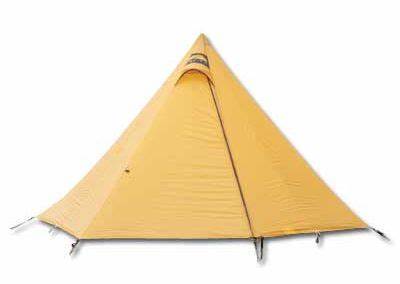
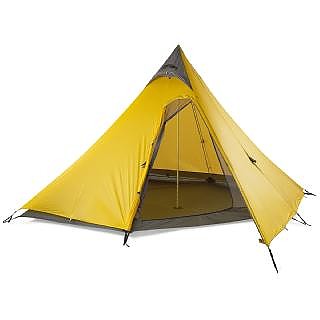
The Golite supplied nest had all-mesh sides but third-party suppliers filled the niche of interiors wanted by users and half nest, three-quarter or full size nests were available. Half or full mesh sides for the inners were produced’. The shelter itself was renamed c2008 by GoLite as the Shangri-la 3. Some improvements were made, a third vent added to the 654g fly, the 365g central pole was improved and tie-outs to the peg points added. A loop was added to the peak so that it could be hung from a tree limb, doing away with the need for a central pole and opening up the floor space, but who has a handy tree limb when they need it. The central pole has always been an issue if expecting to sleep the advertised three people inside. Most drawings showed the pole passing through the middle of a central prostrate figure. This tent has always worked best with two people, one each side of the pole, or providing massive internal space for a solo camper.
Having launched their products at the Outdoor Retailer show in 1999, GoLite converted to a direct-to-consumer model in 2010 before deciding to concentrate on the US market. Their ethos changed and they effectively closed their doors, at least in their earlier guise, becoming a pale imitation of an innovative former self and many of their lightweight products became almost unavailable on a global basis. They filed for bankruptcy in October 2014.
For those European fans still enamoured by the old tent design, there was a saviour. Former GoLite European Sales Manager, Mark Flanagan and former Export Manager, Marcus Bauer approached Nigor Net B.V., a European company located in Utrecht, in the centre of the Netherlands, and asked them to develop a similar shelter to the GoLite product. Eureka Europe was one of the brands in the Nigor Net portfolio and began producing items aimed at the lightweight enthusiast. They were more than happy to include a new version of the GoLite Shangri-La 3 in their product list.
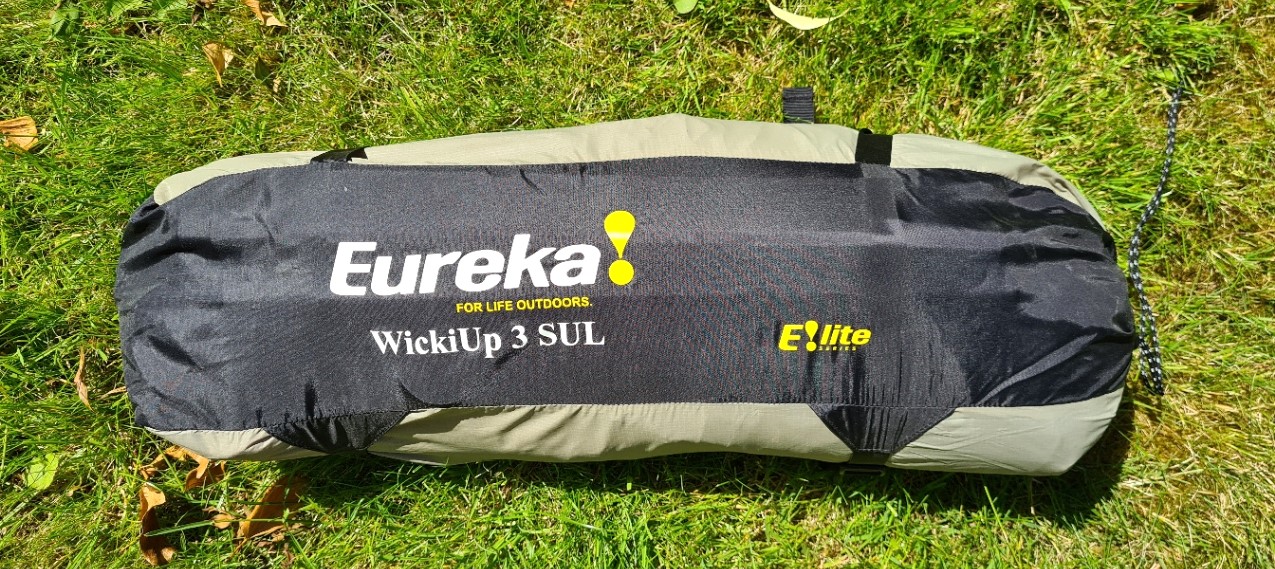
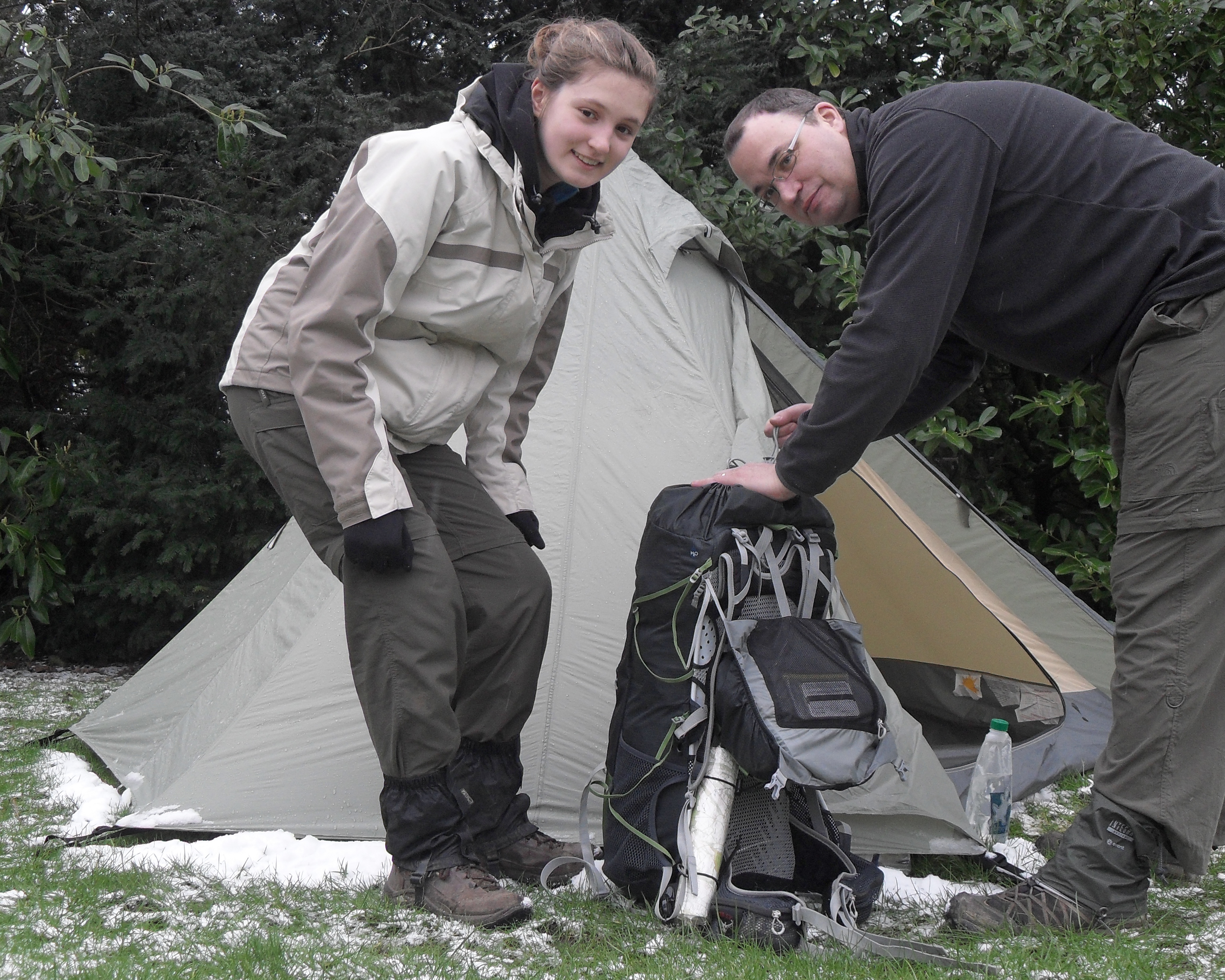
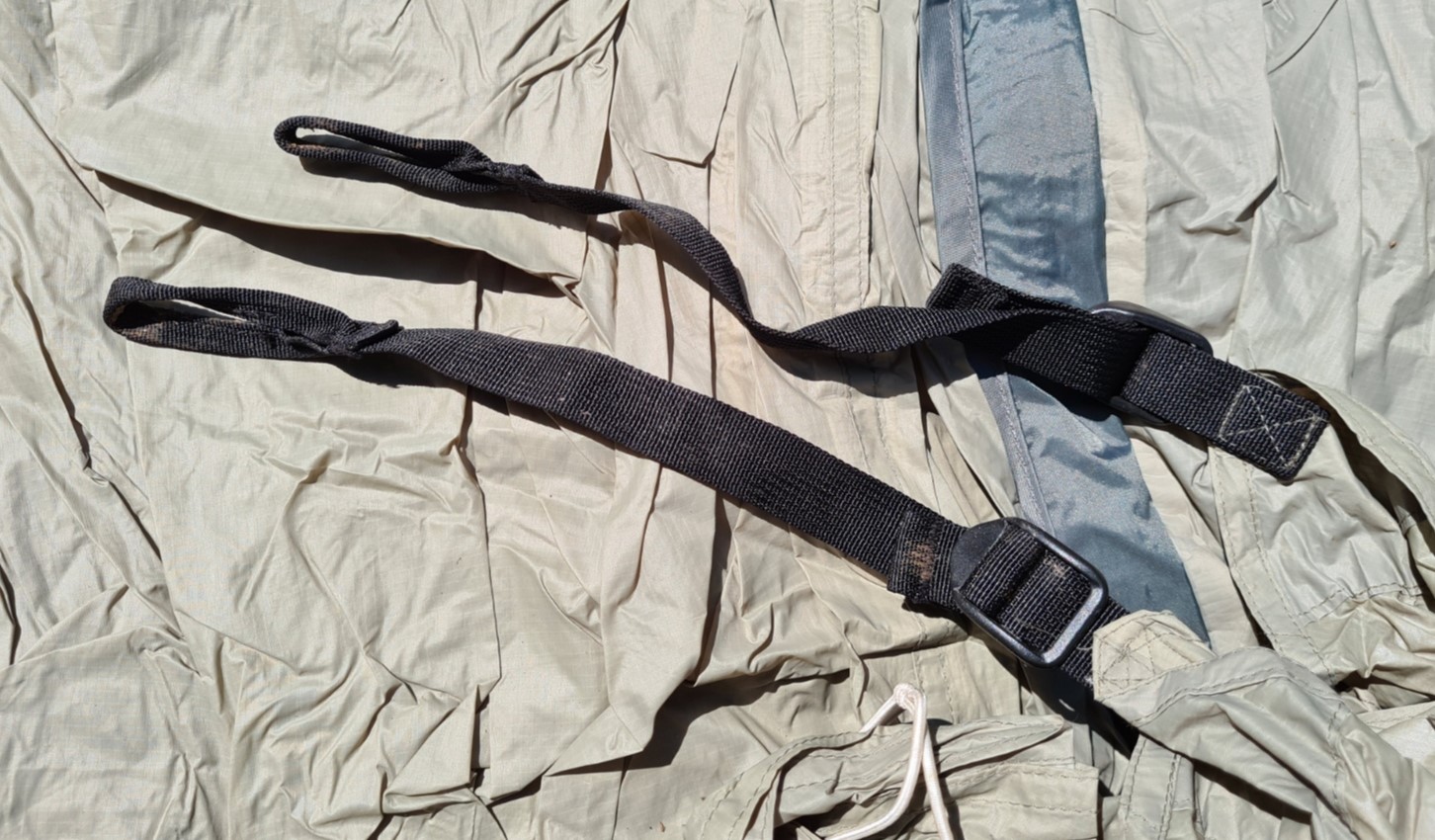
The design of the Eureka! branded pyramid tent, was tweaked very slightly from the Shangri-La 3 design and the tent was released as the Eureka! WickiUp 3 SUL (along with a larger Eureka! WickiUp 4 SUL). The outer fly was 30D TPU Silnylon with a 3000mm HH and the TPU bathtub floor 10000mm HH. I purchased my Chinese made Eureka! version in 2013. This shelter was part of their ‘E!Lite Series’, whatever that was. The shelter is very well made of high quality materials with not a duff stitch to be found. The webbing tie-outs to the pegs are wide, tough and could have easily been swapped out for lighter but more fragile cord in a more cheaply made tent. The long zip has a storm flap along its length that somehow always resists getting snagged. This model can be identified by the ! beside the door of the inner nest. Around this time Nigor decided to reserve their own brand for their top quality products and the tent was yet again rebranded and became the Nigor WickiUp 3.
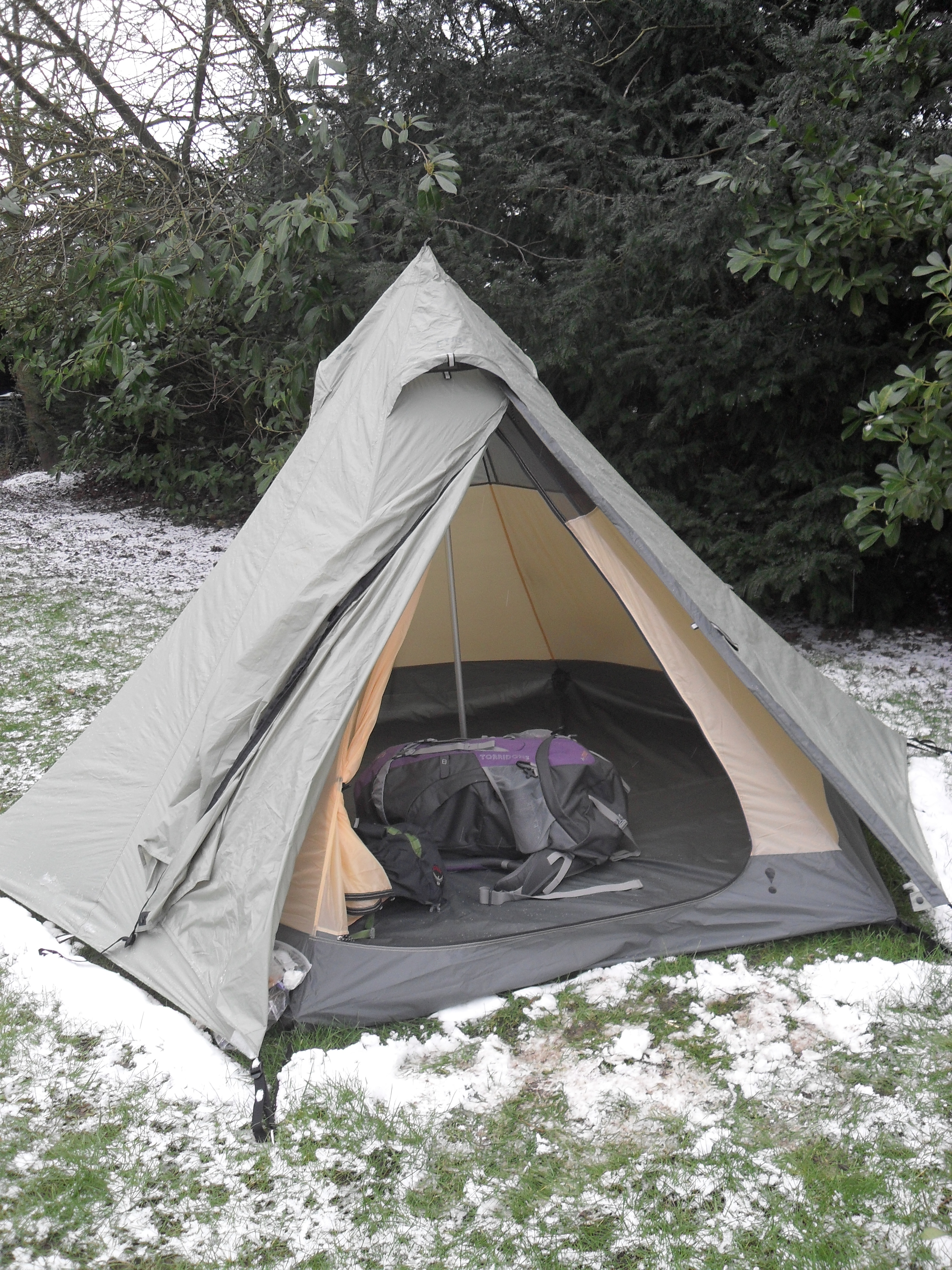
Nigor had extra guy attachments fitted to their version of the GoLite tent, which raised the weight, but this was compensated by using a lighter weight premium 3000mm HH 20D GorLyn silnylon for their 796g flysheet, silicone coated on both sides. The 940g inner nest and bathtub floor materials remained unchanged. In common with many manufacturers they didn’t seam seal. Nigor explained away the lack of seam taping, stating that the resin they would need to use would weaken the PU treated fabric. The single pole weighed 314g.
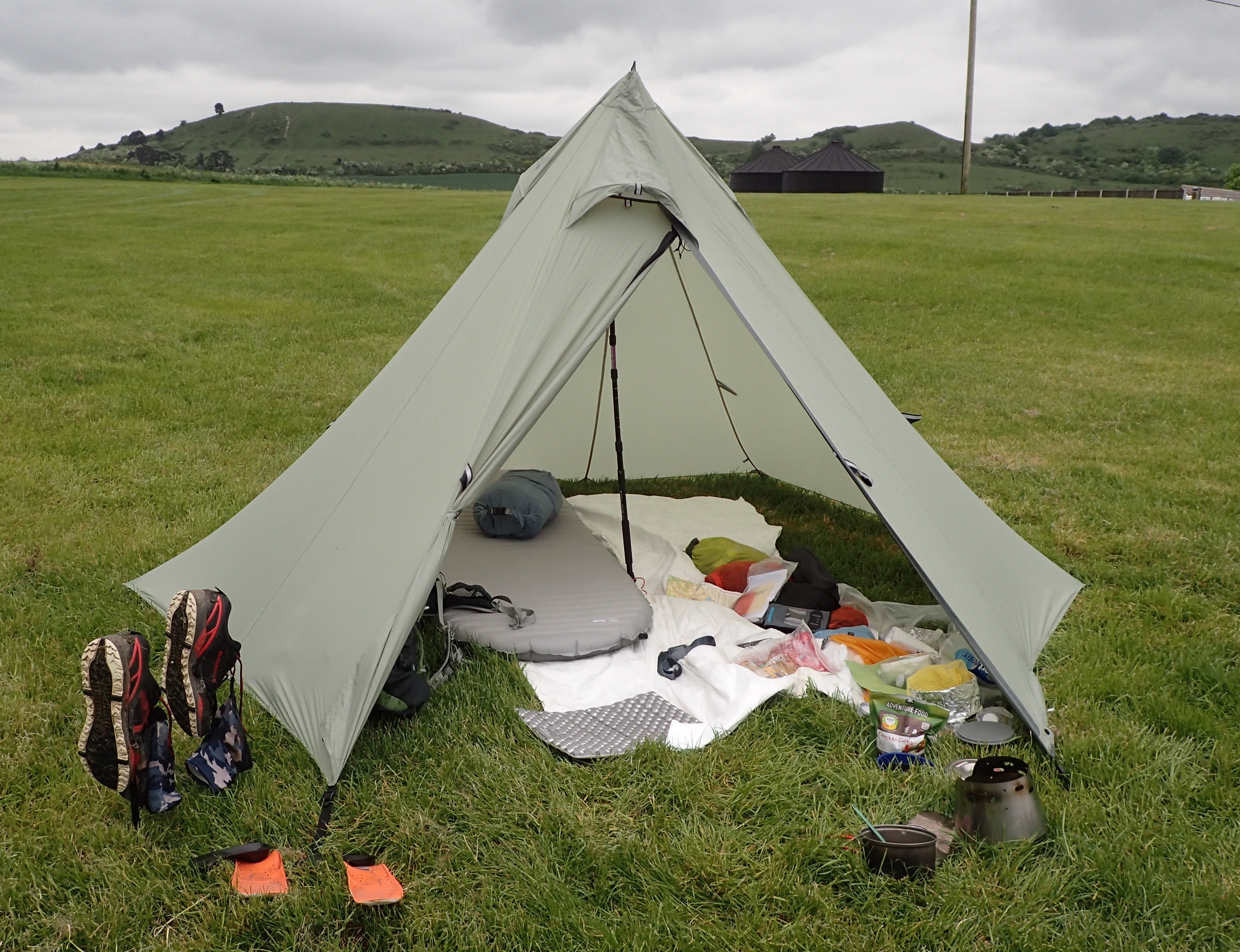
Provided the pitch is good enough, the WickiUp is a simple tent to pitch. Spread the nest on the ground, loosen guy tie-outs and peg across the diagonals, pulling quite tight. Spread the fly over the nest and fasten its pegging points to the same webbing/pegs used for the nest, ensuring the doorway is correctly oriented. Attach the nest to the fly at the central points half way up the walls. Unzip the door and put the central pole inside, with adjustable section at the bottom. Tighten upward so the shelter is taut. Exit the tent and do up the zip. Tighten all corner tie-outs, adjust as required. Fully open the vents. Add any further guys desired. In fine weather, no more guys will need to be deployed. If it is just the fly being used, the task is even simpler. If an internal half nest is being used. Fly up, then walk inside to fix the small nest within. Take down is the reverse. If nest and fly are left clipped together, the two can be pitched together. Which avoids the inner nest getting wet if it is raining when pitching.

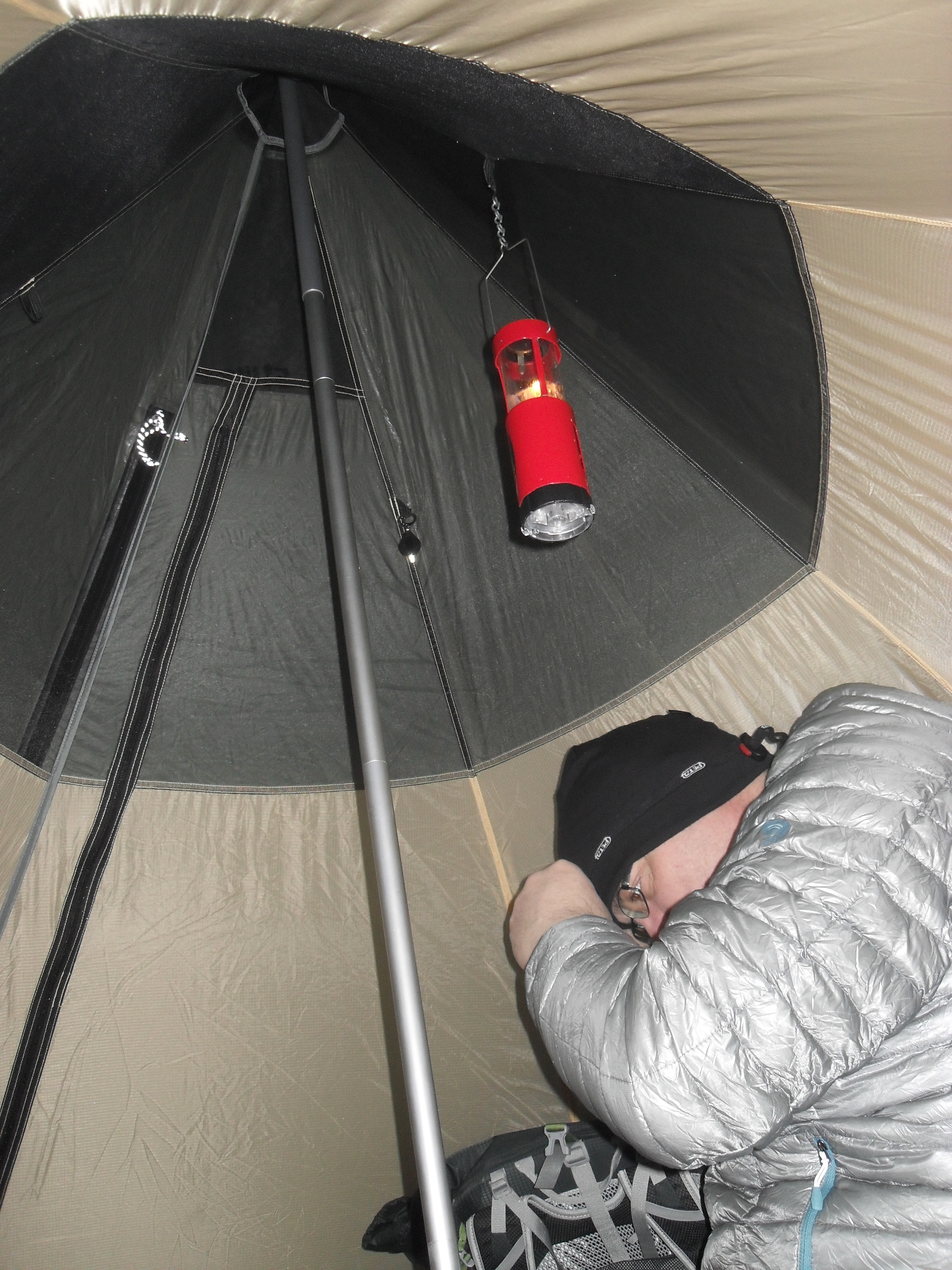
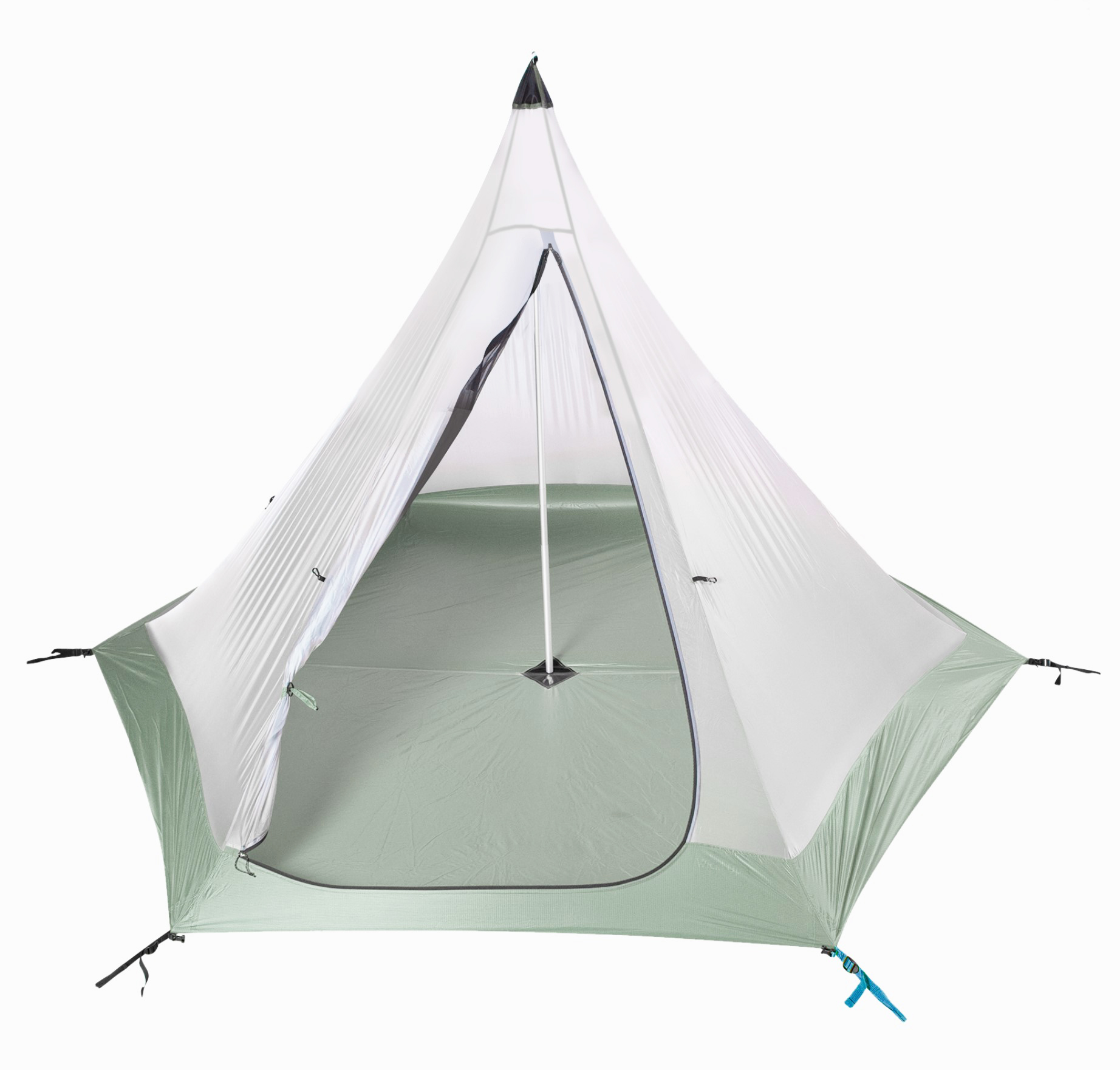
My ‘official’ Eureka!/Nigor full size inner has three-quarter solid sides with mesh at the top. This is a lot less draughty than the original full mesh nests. It is a roomy hexagonal pyramid tent and a positive palace for the lone backpacker with no shortage of headroom or floor space. The sides are quite steep and do not drape close to the face when prostrate. The nest has mid-point connectors to the outer fly, ensuring the ripstop material of the nest doesn’t drape untidily or awkwardly. The door to the nest is an inverted J zip. If the weather is foul and a full nest is getting wet from an open fly door, the two tie-outs at the front can be undone and the front of the nest pulled inward, away from the fly, which then also provides an inner vestibule area in which to cook or get dressed/undressed in wet weather gear. In summer, if using the nest, the door is very large and there is no mesh covering so a lot of bugs fly in. As to larger creatures. I pitched in a large meadow once, was dozing inside on a hot summers afternoon and woke to find a horse looking down at me.
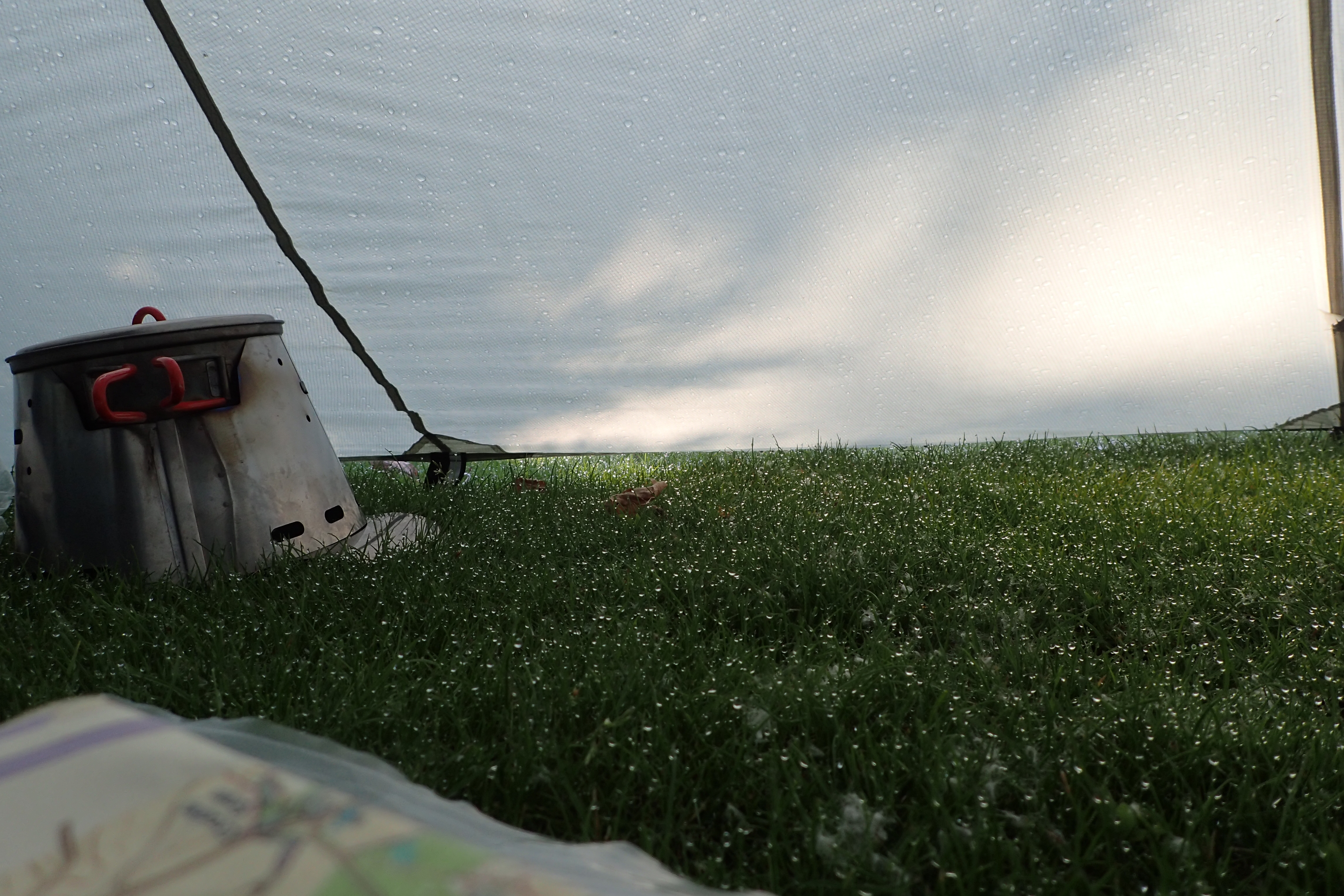
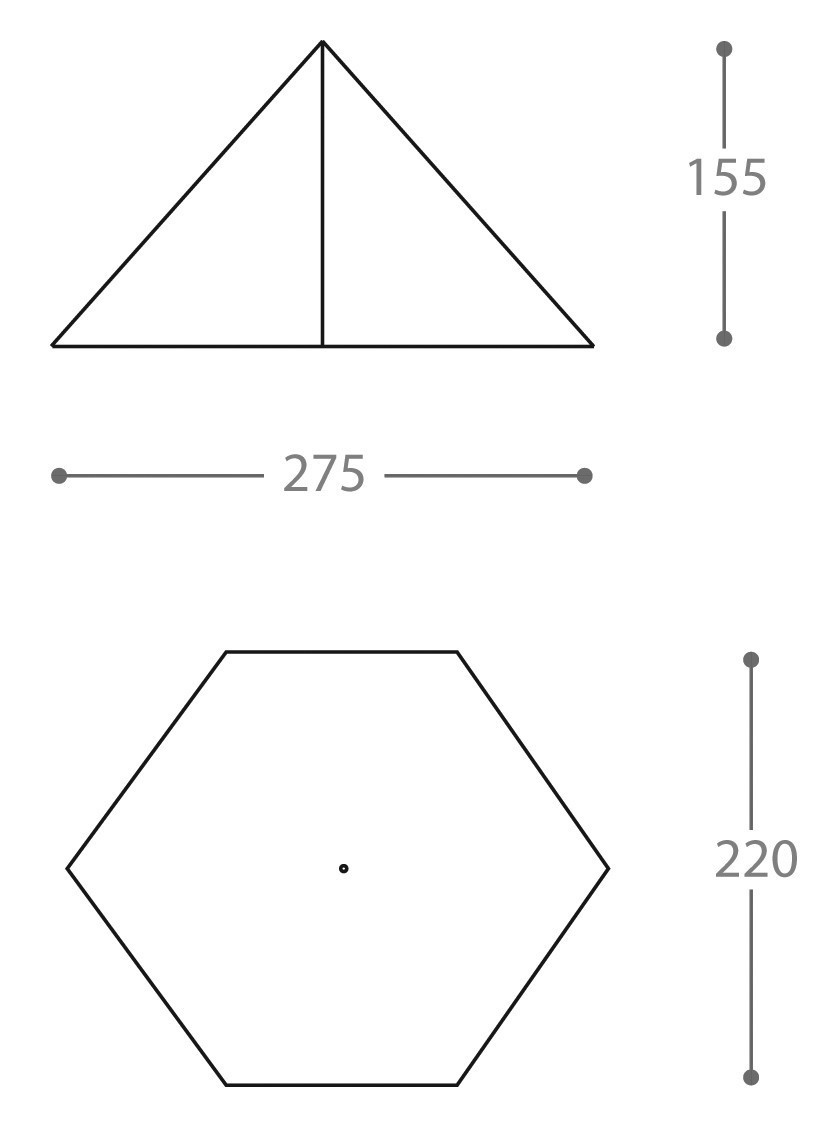
The WickiUp 3 SUL is a large tent with a large footprint. Large enough to bring a cycle inside. It requires a large area on which to pitch and isn’t the most forgiving of lumpy ground. If you want this tent to stand up to bad weather, it has to be pegged well as just all of its stability is dependent on the pegged circumference. Hence the beefy tie-outs around the circumference of the fly. Time taken when pegging is time well spent. The SilNylon outer will sag when wet which can mean that it then touches an inner, which isn’t ideal. So despite it occasionally tipping down outside, and a design that means rain comes in as soon as the zip is undone, you have to exit the tent and tighten guys if the tent is sagging. If you are fortunate, you can simply heighten the pole on it’s adjustable section and that will tighten the shelter from within. On wilder nights, in horizontal rain conditions, rain can be driven in through a vent onto the inner nest or occupant. There isn’t much you can do about this other than try and pin the offending vent closed.
From 2017 the design also briefly lived on, mostly in the US, as the My Trail Company Pyramid 3 tent. Again, it was former GoLite employees that continued the design in it’s new name. Former GoLite owner Demetri Coupounas responsible for this all too brief resurgence. Little has changed, as on the Shangri-La 3, the Pyramid 3 had 15D ripstop nylon outer, silicone proofed on the outside, PU on the inside. The nest was almost totally mesh with a 70D nylon floor.

Various alternative inner nest have been available over the years. Oookworks offered some of the best, but no longer. Amongst the cheapest have been those made by a Chinese manufacturer and imported and retailed by US Luxe Hiking Gear. This 100% polyester inner fits their own Hex Peak V4A pyramid style tent that utilises cheaper materials than the WickiUp 3. Their Hex Peak V4 Inner is a half mesh nest that fits all versions of this tent, including the Hex 3, Shangri-La 3, Eureka! WickiUp 3 SUL, Nigor WickiUp 3, My Trails Pyramid 3, and Bach wickiup 3, though it can be a bit saggy inside.
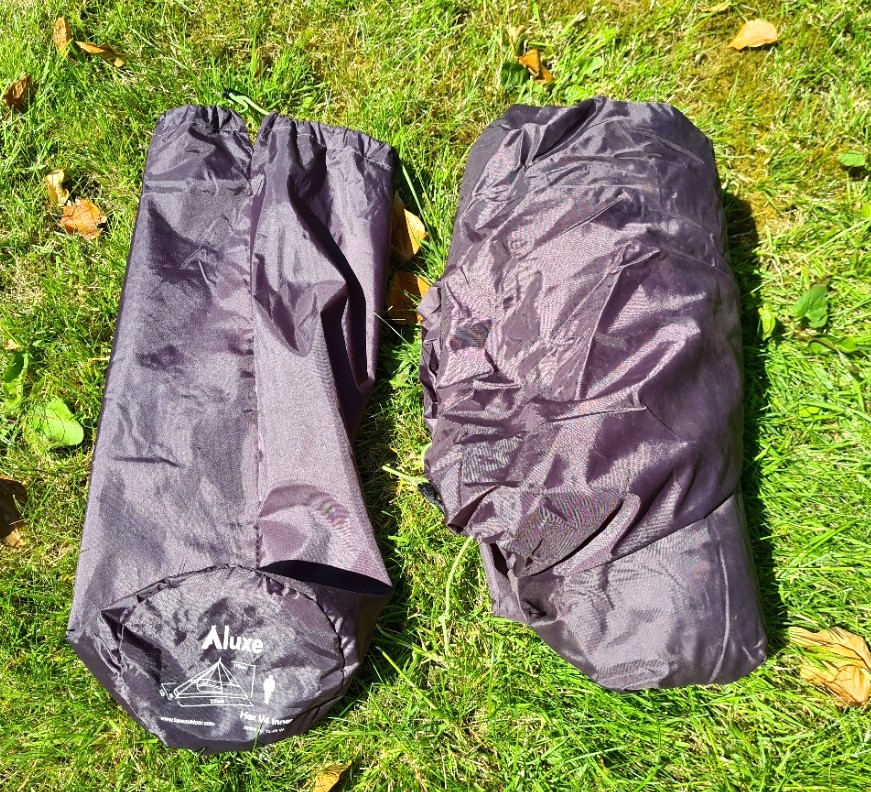
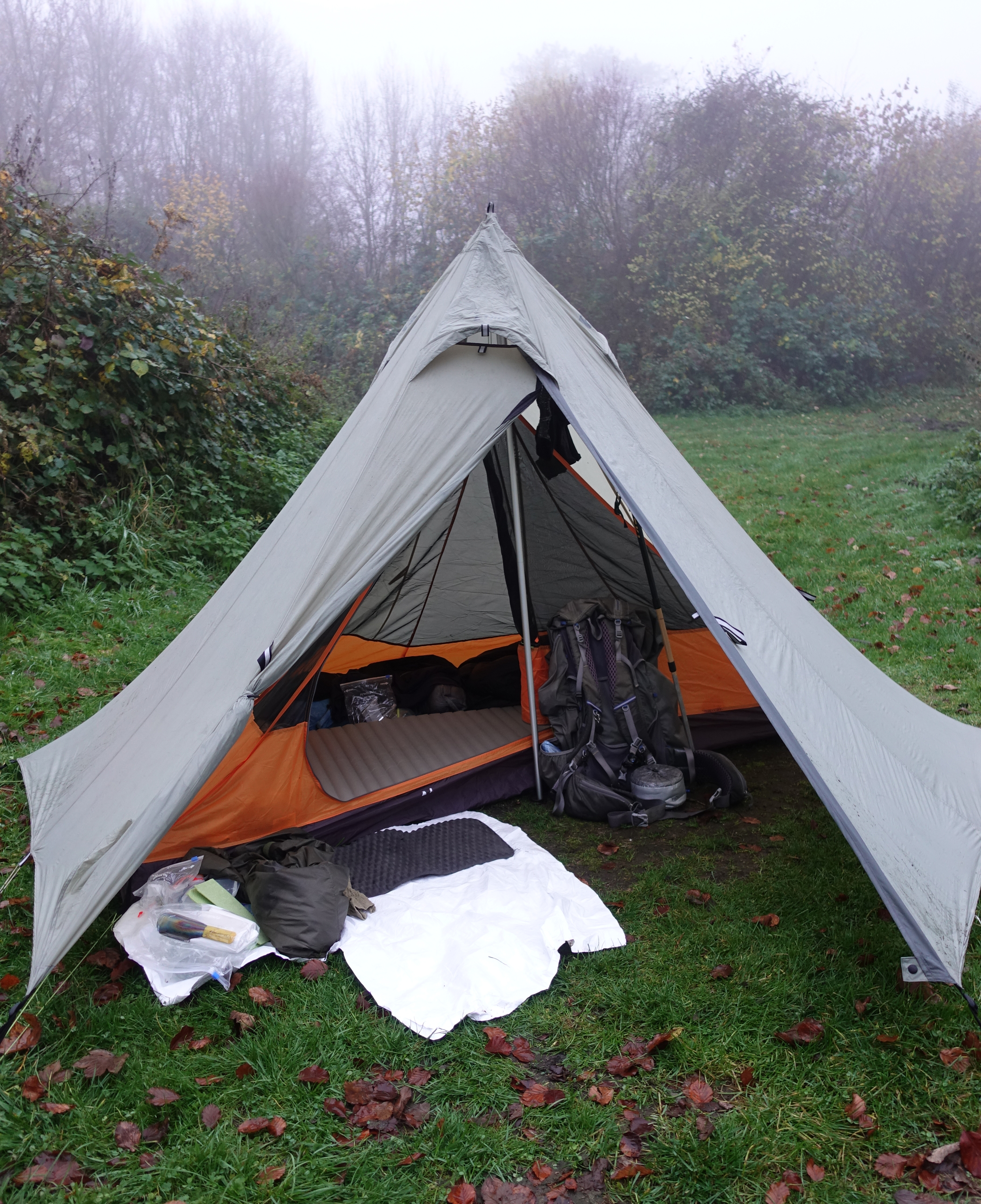
When I backpacked the South Downs Way in winter 2018, instead of simply using a bivi-bag inside the WickiUp as I had in the past, I purchased the small Hex Peak V4 Inner as a nod to the colder conditions I expected on the breezy open chalk downs. It worked brilliantly and my time inside during long winter nights were very comfortable despite winter arriving with a vengeance while I was on trail. I was more than happy to use this inner on most subsequent trips with this shelter that followed as it was a far lighter option than the full nest. I really appreciated both the protection it offered inside from breezes sneaking under the fly, and the huge protected area outside of it, to either cook or get in and out of waterproofs and muddy clothes.

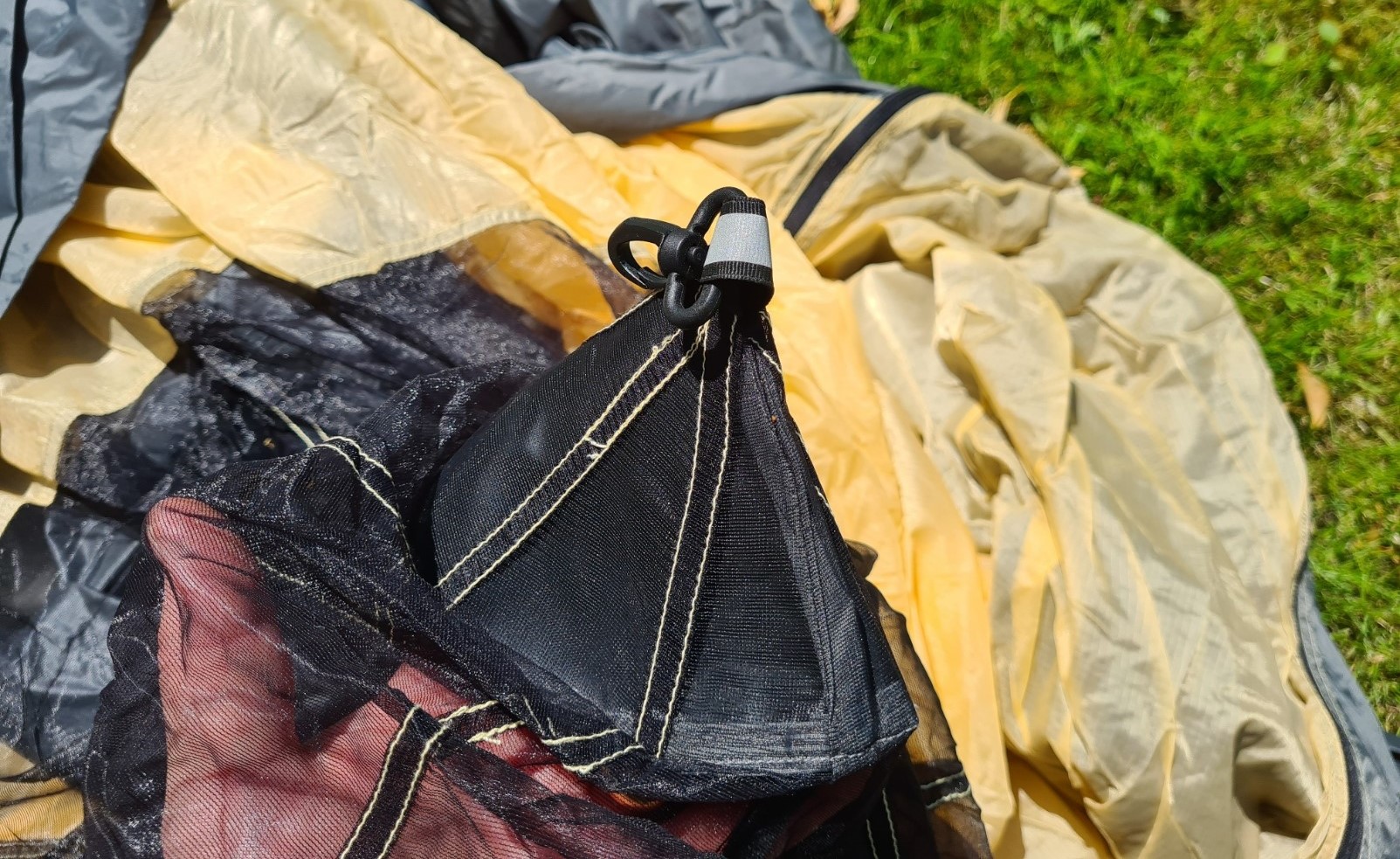
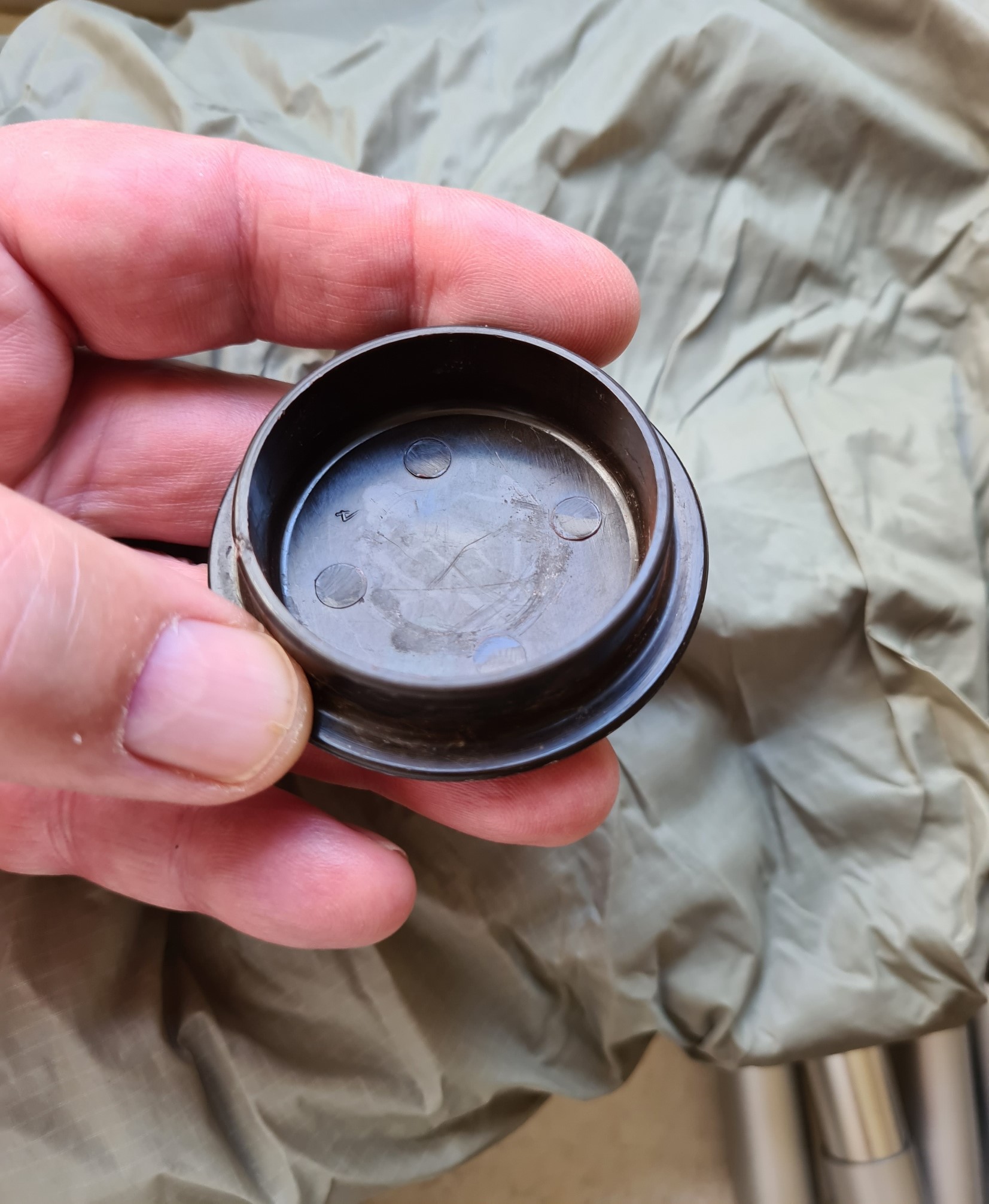
The top of the pole nestles into a reinforced section of the nest or fly and the entire pole is adjustable in length. The bottom end of the pole can slowly sink into soft ground over time, lowering the peak. I just included a small 10g plastic cup that was made to go under the narrow feet or castor wheels of armchairs, and placed the end of the pole in that to spread the weight. If attempting to sleep three inside, the pole can be offset to one side at the bottom to allow this, but it isn’t an ideal set-up in this fashion.
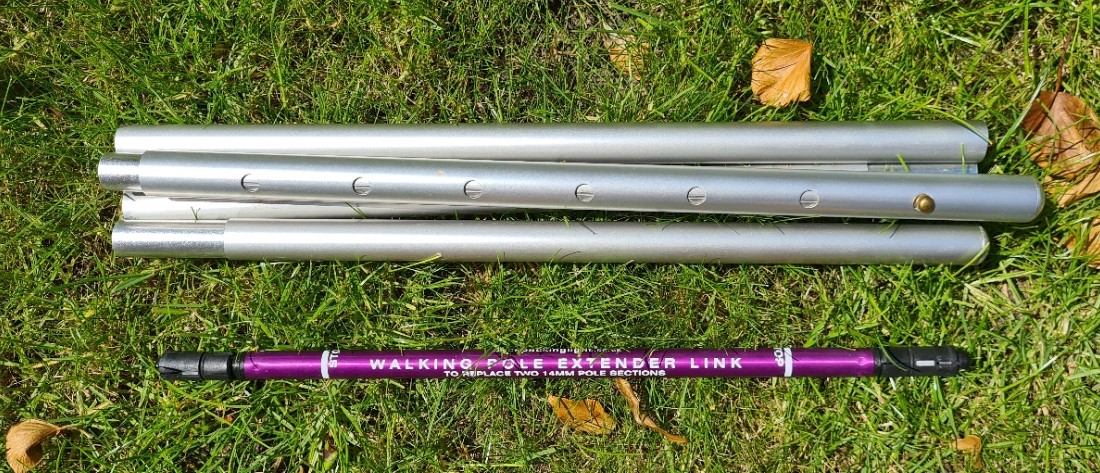
As I use trekking poles anyway, I purchased a ‘walking pole extender link ‘ section from Backpacking Light, with which I could join the top sections of my poles together and this made for a far lighter alternative. The poles joined together are not as rigid as the well-made stock pole, but are more than sufficient.
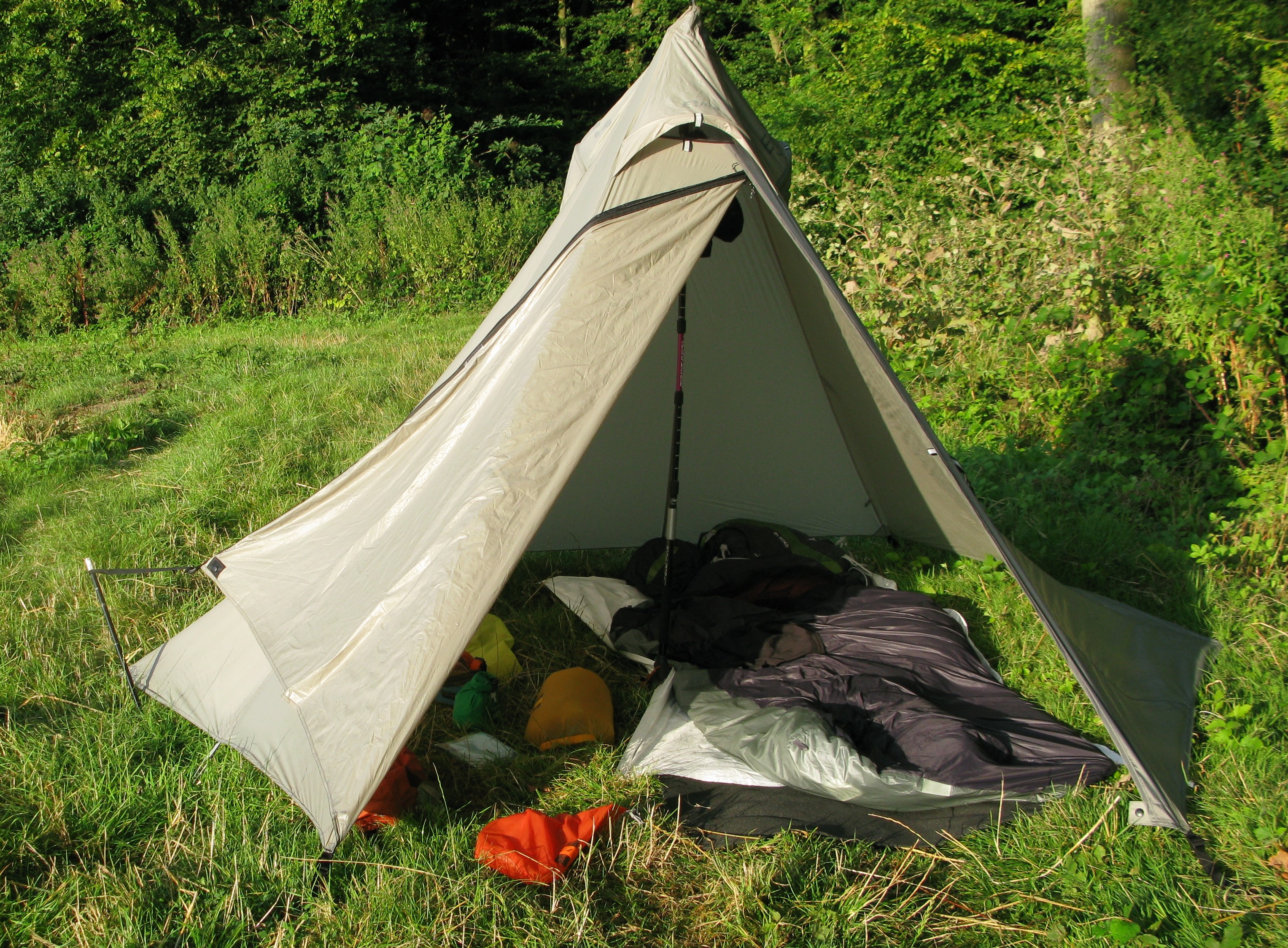
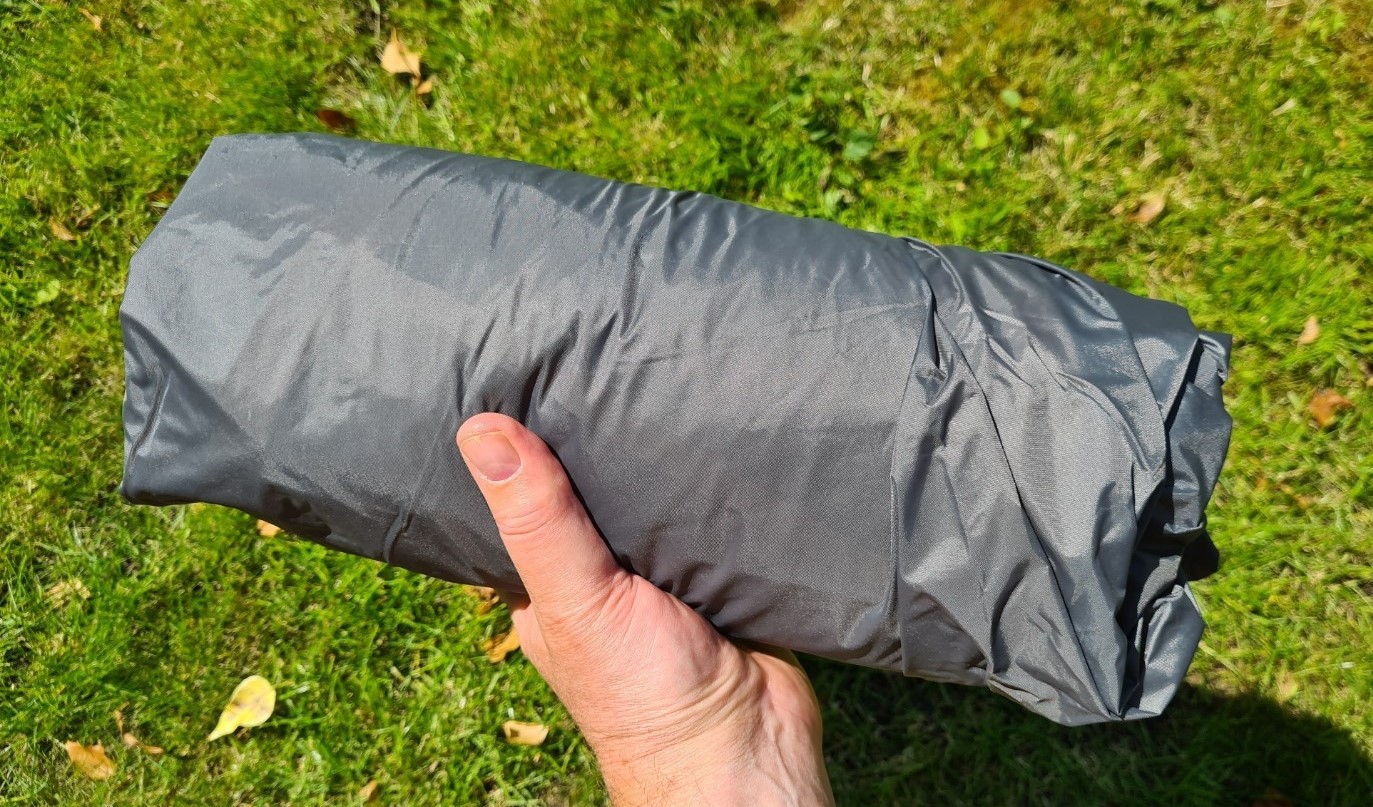
My outer fly weighs 797g, the full nest, with three quarter solid sides and remainder mesh, weigh 938g. The stuff sack weighs a further 44g. My third party half inner from Luxe was a weighty addition at 643g, in a 26g stuff sack. The collapsible four section adjustable pole weighs 314g and the lighter alternative, a walking pole extender link, is 46g. Pegs need to be added. At least six are required, and as many as twenty if using all guy tie-outs. At it’s most minimal set-up- comprised of fly, pole link and pegs, this provides a large covered shelter for less than a kilogram.

There are a great many reflective tie-out points. If every one was utilised this means a LOT of pegs are required. The pegs/stakes supplied with just about every version of this shelter are poor and need prompt swapping out to something decent. Both nest and fly use the same peg at each corner, another good reason for having decent pegs. I attached a length of shock cord to the extra guy tie-outs mid way along the bottom of each panel to allow for different pitching heights.
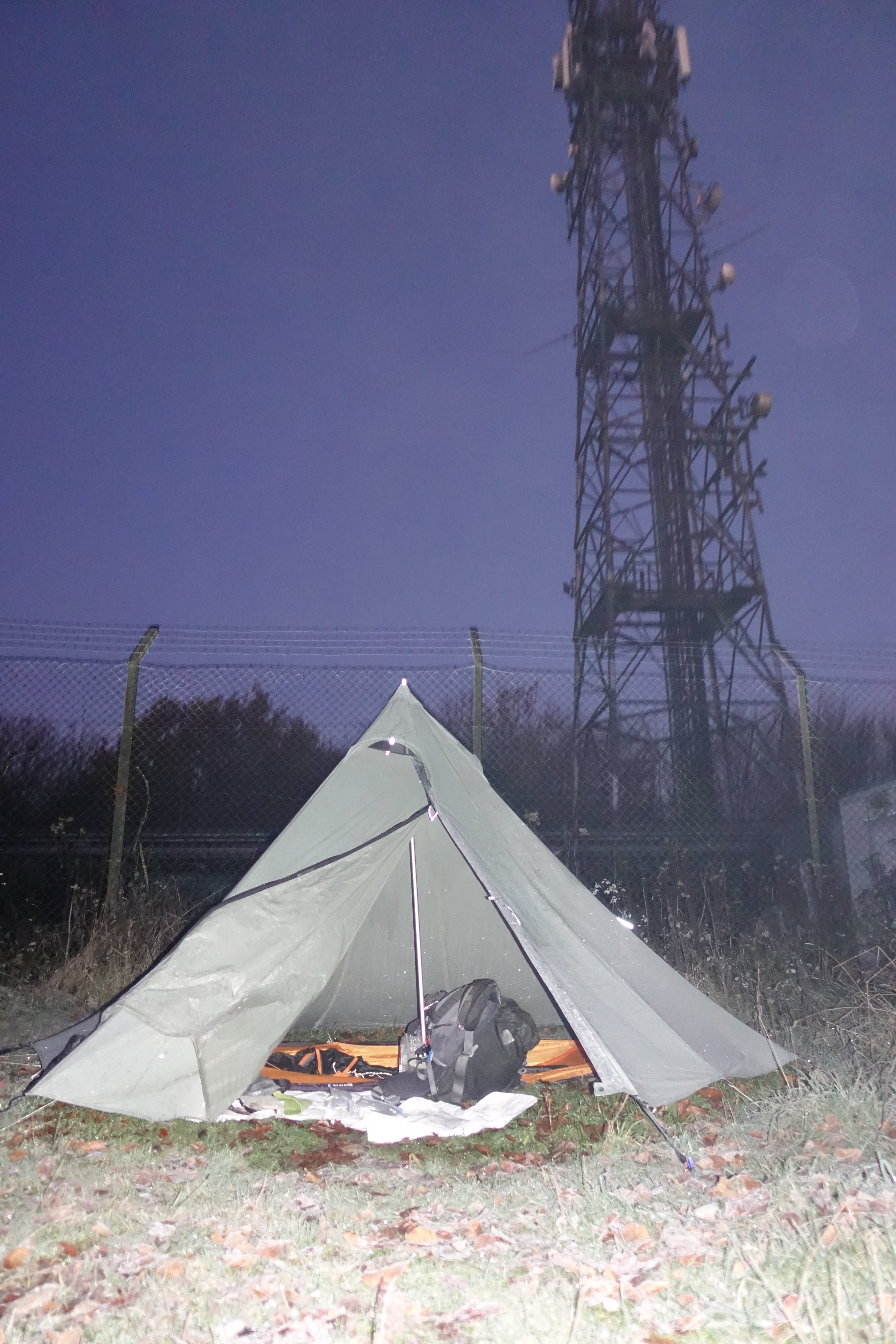
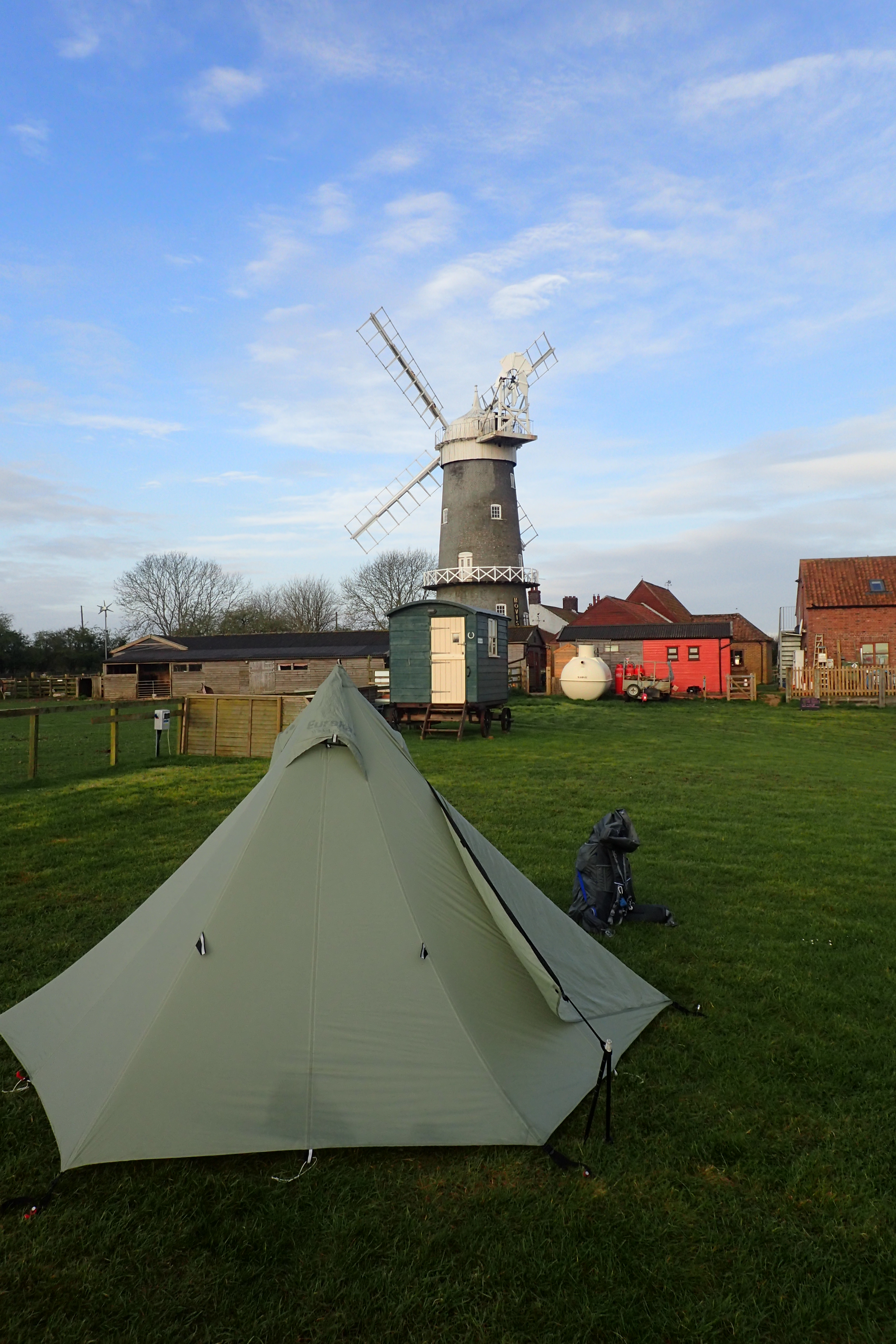
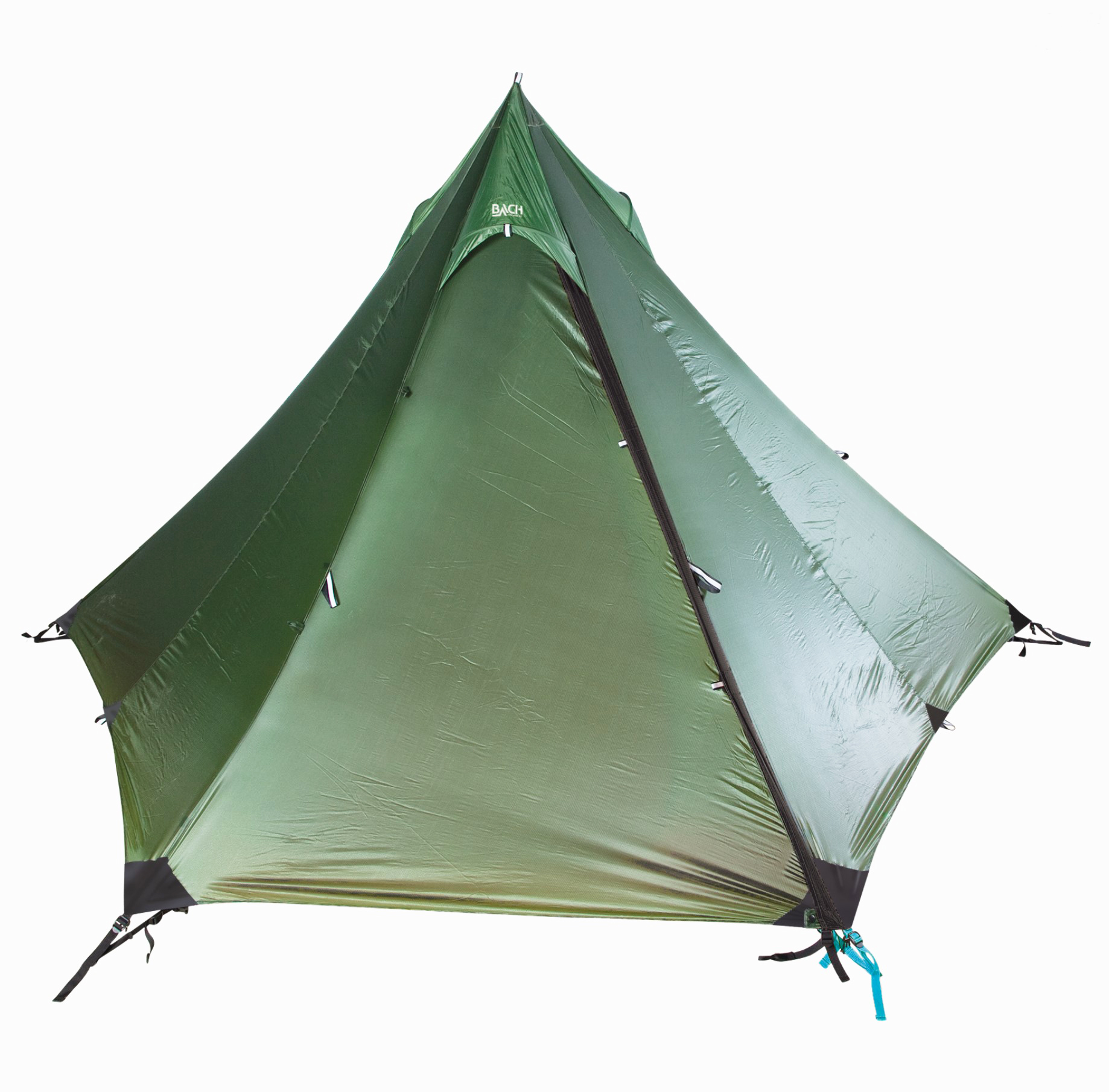
Wanting to expand their product line, Swiss company Bach Backpacks changed its name to Bach Equipment and acquired products designs from Nigor when that company went under and from summer 2022 Bach began offering their “improved” former Nigor nylon tents. The WickiUp 3 was amongst these and the shelter was again available. Unsurprisingly, the name changed. It is now the Bach Wickiup 3, model 282978. The specs have barely altered. It has a 40D 10000mm HH floor (seam taped!), and 20D ripstop 6.6 Nylon fly, still with silicone coating on both sides. The nest is 15D air permeable ripstop Nylon with an optional one person half nest also available.
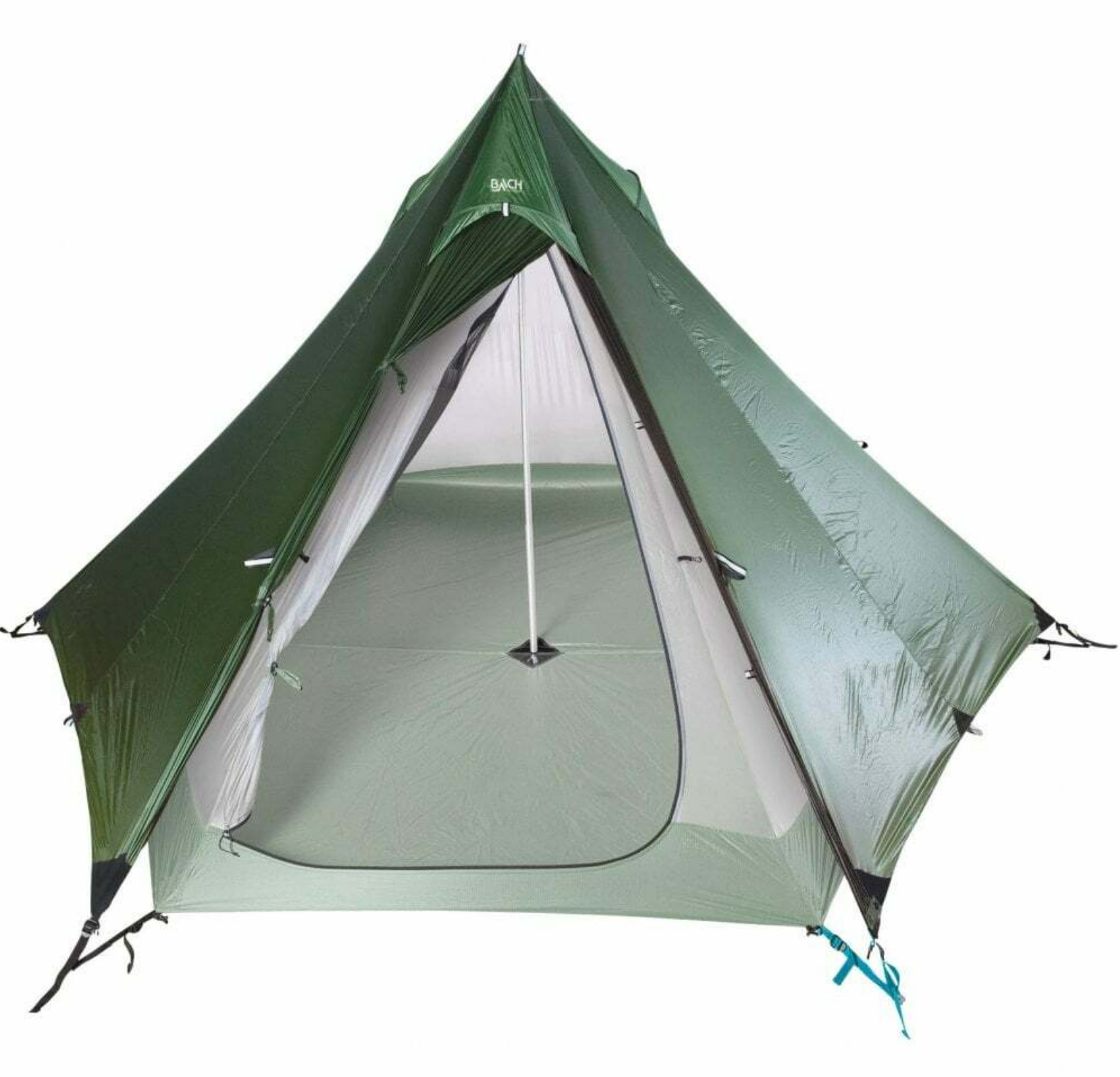
While there are few changes of any real note, the colour coded tie-out near the door had been a long-awaited addition. introduced to the Nigor version, after my particular model. The supporting pole is now “19.5 mm TRX Eco Duralumin aluminum with environmentally friendly anodizing“. I also see that my single door tie back is now replaced by two, definitely required with the slippery siliconised material. The design is a popular one, take a look at the ‘MIER 2-3 person ultralight outdoor camping tent’ and the Black Diamond Mega Light. The Wickiup isn’t far removed from those. As a side note, the Mega Light is a successor of the 1980s Chouinard Pyramid, possibly the first mass produced pyramid tent. This was created by legendary climber and environmentalist Yvon Chouinard, whose company Chouinard Equipment, made the tent. He also created the ethical clothing and outdoor equipment company Patagonia. Chouinard Equipment Co Ltd. was sold off by their brand owners Lost Arrow to it’s employees, who started Black Diamond Equipment, who make the Mega Light. This design of tent has had a bit of a resurgence in recent years, so much so that they now have their own genre, known as ‘Mids’ (from pyramid).
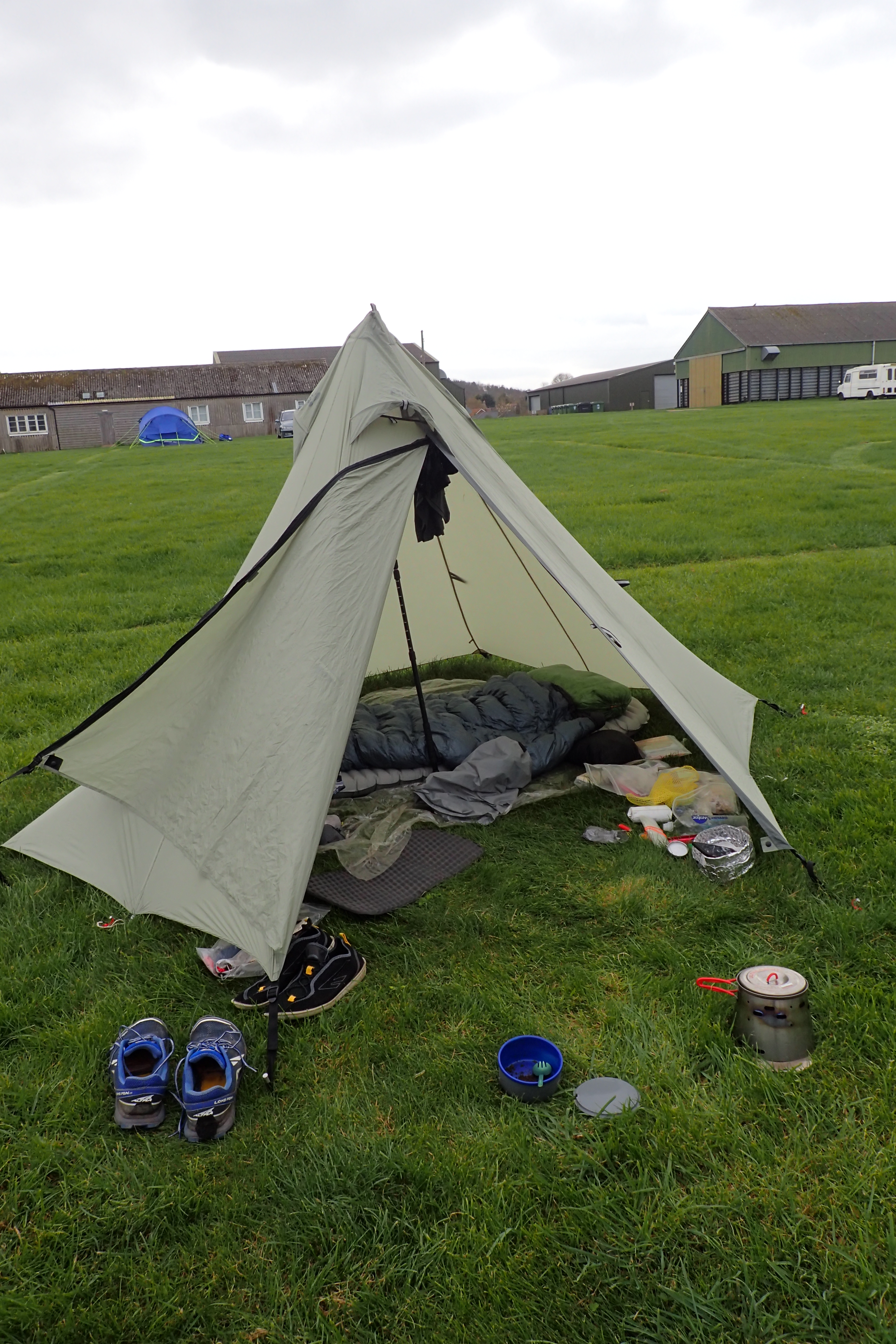
My Eureka! WickiUp 3 SUL doesn’t get out much these days. It was part of my transition to lighter pack weight and a move to simpler and less burdened backpacking. I eventually purchased a lighter pyramid tent for those type of conditions when I might have taken the Eureka!
My ‘sort of’ replacement to my WickiUp 3 was a DCF Duomid from MLD, more on that shelter in another post. In truth, the vast space that the WickiUp 3 provided was often too much. It is a much better shelter for two. With the weight split between two it still makes for a lightweight and flexible option. The Duomid provides me with the same benefits, but is smaller and far far lighter. Will I be getting rid of my WickiUp 3? I extremely doubt it. I suspect it is time for it to accompany me back on trail again.


 Three Points of the Compass
Nice really like that design.
It is basically a bell tent so 1910 design is what people were using as it was available surplus. All of the early Scout pictures show them using Bells.
I wonder what has happened to all of the Oswald Bailey catalogues as they would be a treasure trove of camping design through the ages.
LikeLike
Close to. Bell tents usually have raised sides, similar to what the army was using on various campaigns. In fact, scout tents would have been army surplus. Not surprising considering their roots. Bell tents are now much loved by the glamping fraternity. I showed some images of those canvas tents when I wrote about the first holiday camps
LikeLike
hey! Nice write up. Struggled to find a comparison of these tents changed over the years. I’m a bit confused about the materials. Some sources say the shangri-la version is 30d sil-pu,. others say 15d. I often see these older ones for sale for good prices, but wondering if a more recent version is better value..the nigor and Bach versions are of high quality nylon 66 sil-sil which should last much longer.
LikeLiked by 1 person
Thanks for your comment. I wouldn’t be surprised if versions in both 15D and 30D were produced. However I cannot say for certain as I never had one, don’t know anyone who did, or, more importantly, cannot find a contemporary advert, which would be definitive. I really must get out with my Eureka! version again, but it is soooo much heavier than my DCF Duomid
LikeLike
yea I’m mostly interested from a 2person perspective. It’s reasonable then. Maybe just buy the nigor version. Slippery maybe!
LikeLiked by 1 person
Nice review of one of my favourite shelters.
As an owner of an original Golite Hex 3, and a tent geek I can tell you definitively that the Hex 3 was 30D sil/sil nylon. When the SL3 came out it was 15D sil/pu, which personally I saw as a retrograde step due to lowered durability.
Incidentally, the photo you label as an SL3 with ¾inner, is actually a square based SL4. Like the Hex 3, the SL3 only ever had the full footprint inner or full size footprint.
Back in the late 2000s I and a couple of others all made our own half inners for our Hex/SL3s. We shared progress information with each other about our projects via Outdoors Magic Forum. One of the group, Sean went on to form Oookworks.
The Eureka,Nigor/Bach tents and inners look great. Well put together. But current prices are pretty crazy!
A few years back, 3FUL, a Chinese brand, did a copy of the SL3 for a couple of seasons. https://thriftyhiker.com/3f-ul-tipi-review/
I also have a very good 3FUL ¾ footprint solid fabric inner for the Hex/SL3 etc which was developed via a Chinese gear vendor Guangzhou Pedestrian from a specific request from UK hiker “El Manana” who was also part of the old OM forum group, and like many of us, still interact on Trek-lite.com.
LikeLiked by 1 person
Nice write up about one of my favourite shelters. Here we s some more info for you.
As an owner of an original Golite Hex 3, and a tent geek I can tell you definitively that the Hex 3 was 30D sil/sil nylon.
When the SL3 came out it was 15D sil/pu, which personally I saw as a retrograde step due to lowered durability.
Incidentally, the photo you label as an SL3 with ¾inner, is actually a square based SL4. Like the Hex 3, the SL3 only ever had the full footprint inner or full size footprint.
Back in the late 2000s I and a couple of others all made our own half inners for our Hex/SL3s. We shared progress information with each other about our projects via Outdoors Magic Forum. One of the group, Sean went on to form Oookworks.
The Eureka,Nigor/Bach tents and inners look great. Well put together. But current prices are pretty crazy!
A few years back, 3FUL, a Chinese brand, did a copy of the SL3 for a couple of seasons. https://thriftyhiker.com/3f-ul-tipi-review/
I also have a very good 3FUL ¾ footprint solid fabric inner for the Hex/SL3 etc which was developed via a Chinese gear vendor Guangzhou Pedestrian from a specific request from UK hiker “El Manana” who was also part of the old OM forum group, and like many of us, still interact on Trek-lite.com.
LikeLiked by 1 person
Thanks for this. Abroad at the moment but I’ll look at the necessary amends on my return
LikeLiked by 1 person
Hi Jools. Great write up. Been using the Shangri-La 3 for ten years now. Just bought a new one! https://www.lakelandroutes.uk/diary/15-05-24-a-new-golite-and-extras/
Still shocked to come across a new one, but I couldn’t resist it.Richard
LikeLiked by 1 person
Nice one Richard. Any breakdown of the fabric integrity over the years?
LikeLike
No, sorry I haven’t. If you would like any photos though please let me know. It looks well with the X Mid btw:
https://www.lakelandroutes.uk/diary/19-05-24-a-match-made-in-the-heavens/
LikeLiked by 1 person
Two nice tents. Good photos. The Durston is fast becoming a favourite of mine. Trying desperately to convince myself I don’t ‘need’ a DCF version
LikeLike