Do you ever stop to look at street furniture on a walk? Three Points of the Compass explores the peculiarities of post boxes on a loop around London.
I wrote this post in 2016 following my completion of the London LOOP. It was posted at the time in two parts on my workplace’s website. I note that both have since been taken down. So I’m reposting both here, with just a little additional editing as appropriate.
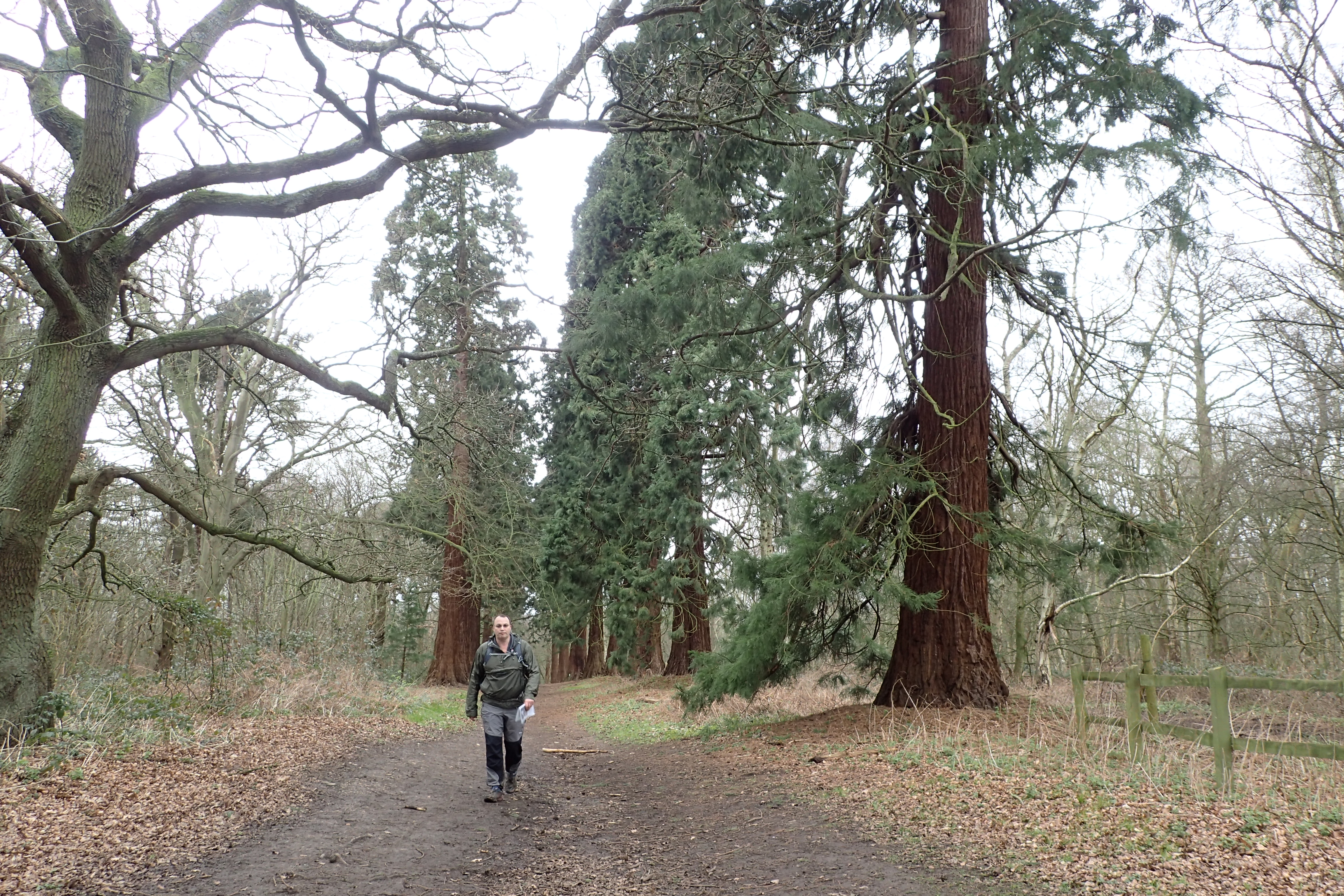
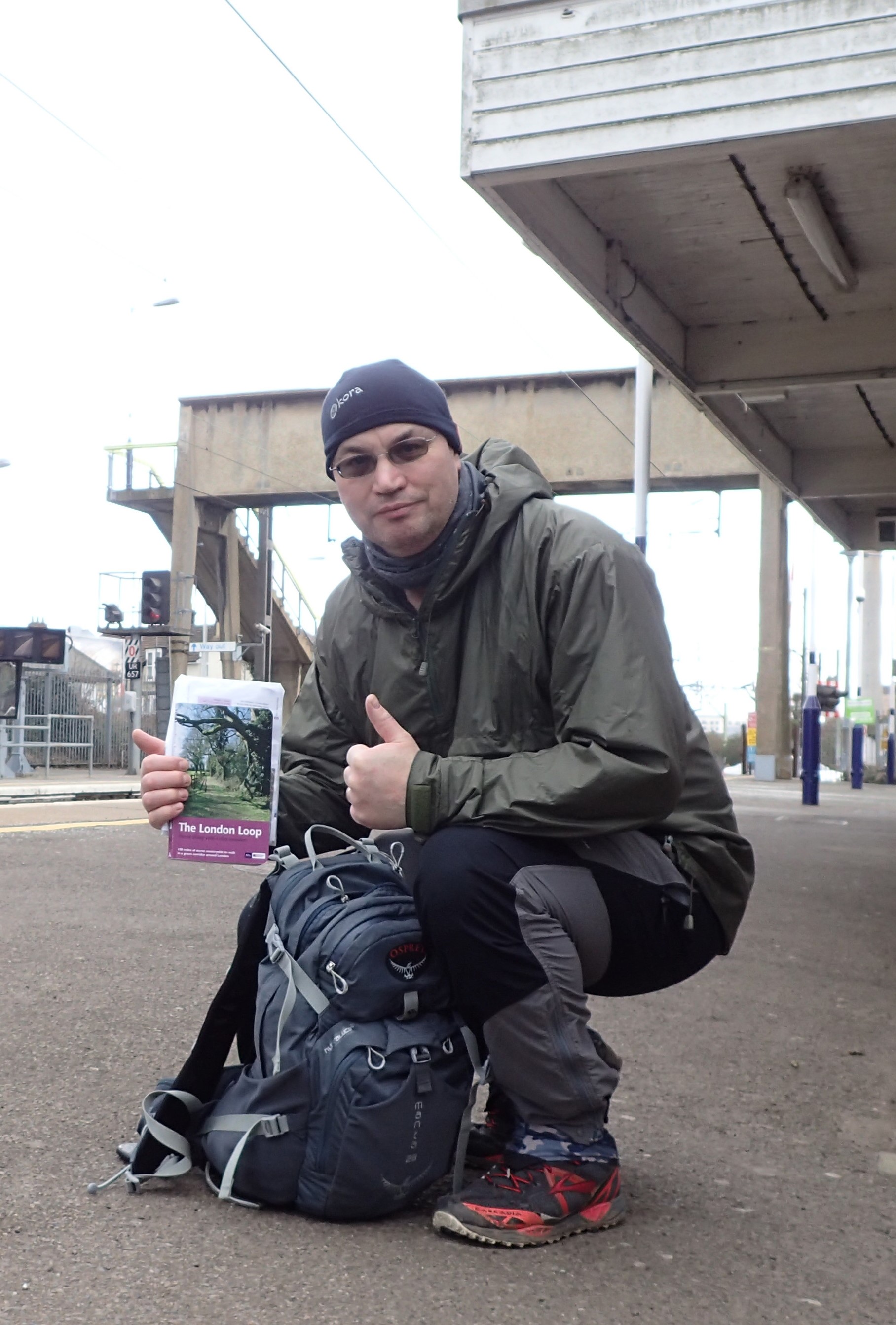
Over the winter of 2015/16, I walked the 150 mile London LOOP (London Outer Orbital Path). Instead of walking it as one continuous trail, I completed it as a series of 12 day walks, invariably on Sundays. The trail encircles London, passing through urban and rural communities, it crosses marshland, parkland, follows canals and roads and even passes through areas I was pleased to quickly exit. Travelling to and from each day’s excursion by public transport, needless to say I passed a number of post boxes en route, and on many occasions the camera was pulled out to record these. It is interesting to look back at how much variety there was to be seen on the LOOP though note that those shown here are just a few of the dozens passed.
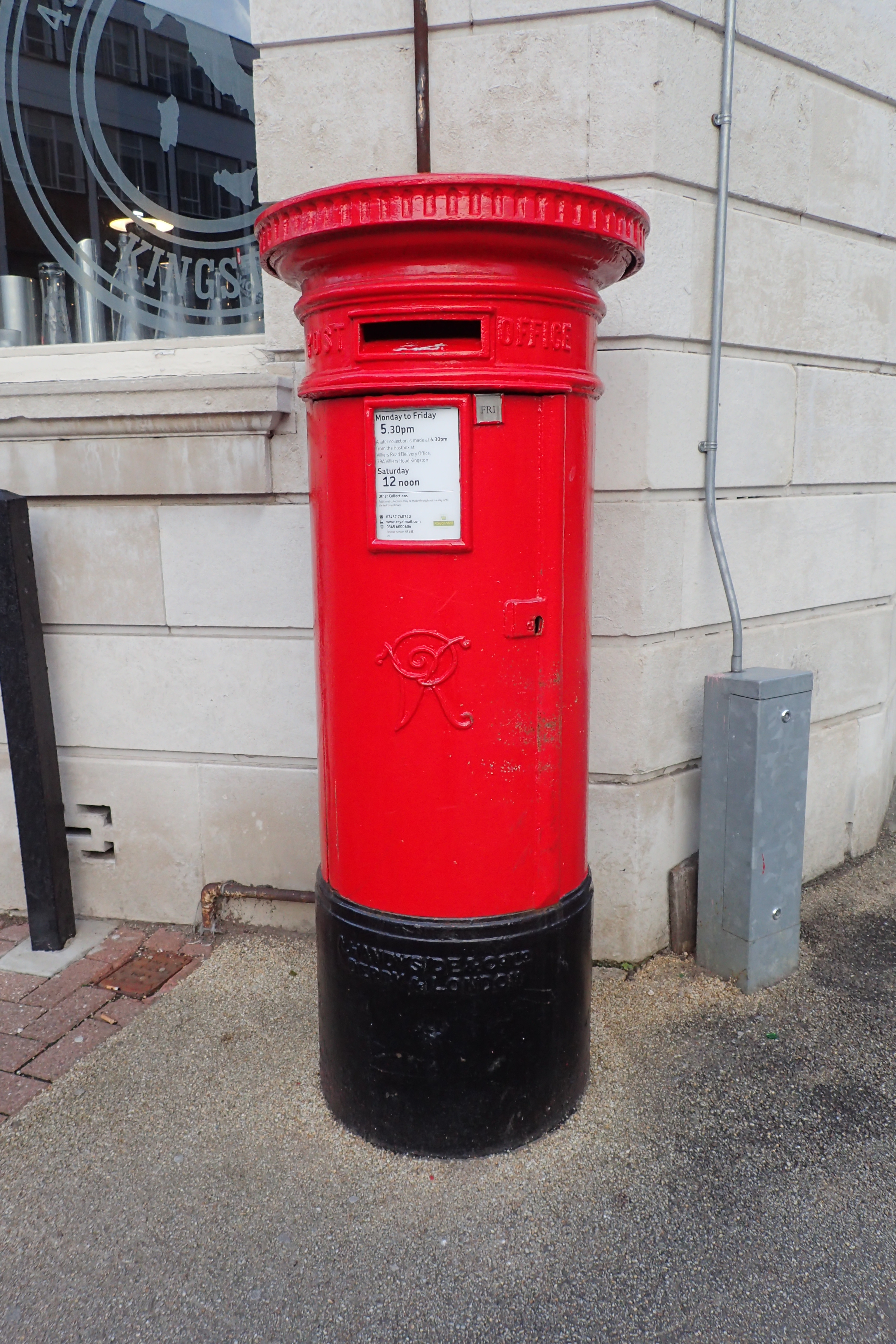
The oldest post box I saw on the London LOOP was in December 2015: a large A type Victorian pillar at Berrylands. Made by the Handyside foundry, this is an example of just how long-lived these cast iron boxes can be, still giving good service after well over a century.
This pillar box is one of the first of a cylindrical design (reverted to in 1879) that only underwent subtle changes in the decades that followed. Notice that the aperture is situated above the door; this could prove problematic to postal staff when emptying the box of mail, as letters could occasionally become stuck at the top and a hand reaching up could be caught on the sharp ‘dragons teeth’ bolted just inside the aperture.
Following on from earlier designs, apertures had already been lowered from immediately below the cap, as shown on this box, but still proved problematic and would require further changes in design. The ornate, yet simple, cipher on the door and official ‘Post Office’ designation state both a Royal connection and instructed the public as to its purpose. Obvious today, but not so much at the time.
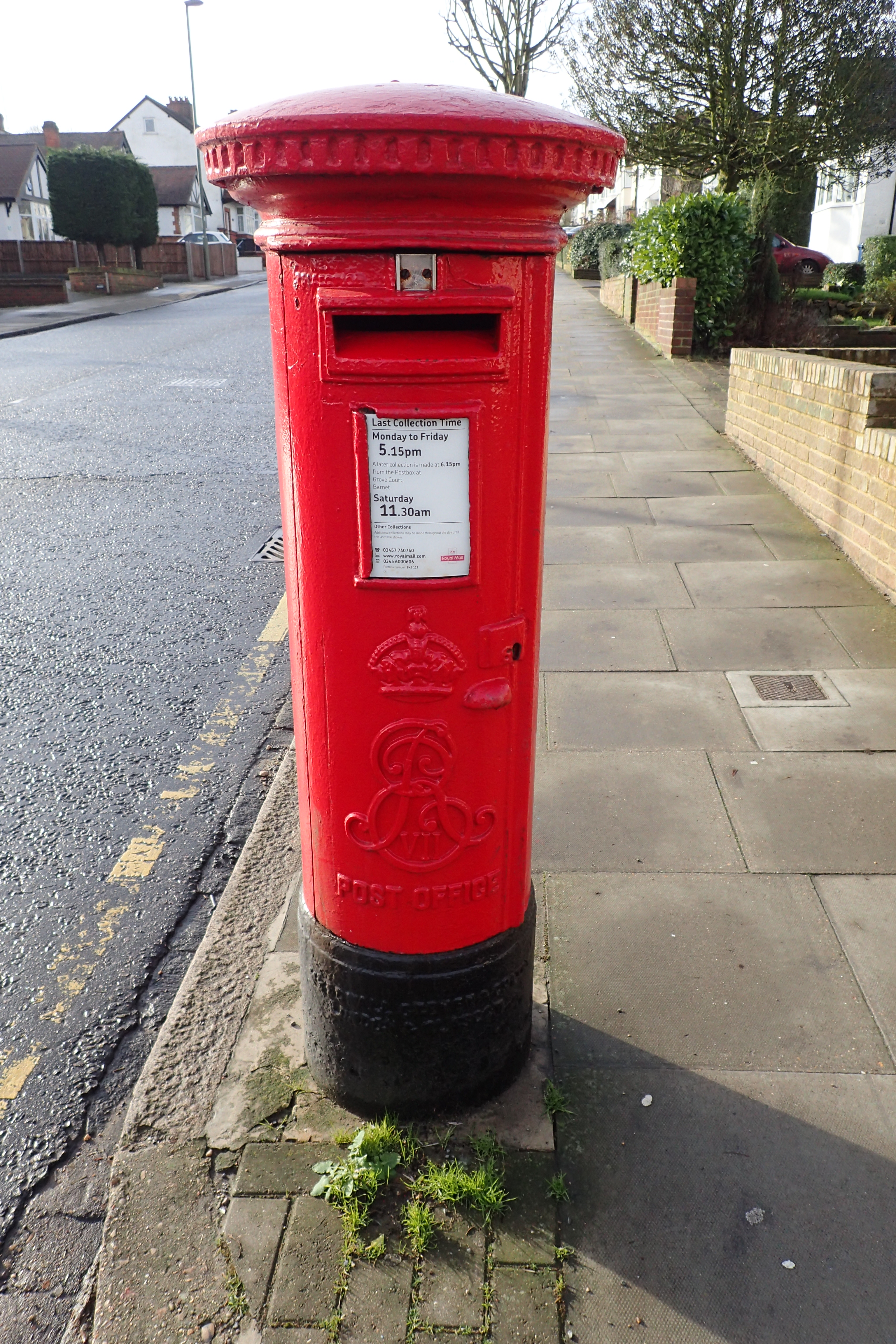
A EviiR B type pillar – so called because it was built during the reign of Edward VII and carries his cipher, was seen in Barnet. Large capacity boxes were A types, thinner pillar boxes with less capacity were B types. A quiet street with a reduced footfall means that a B type box of more modest dimensions is required, hence this particular box being sited here. The ornate cipher is huge upon the door; these particular ciphers have subtle differences in design: is it blob ended or sharp ended? is it in or out?
Too much detail for some, perhaps, but even the most unobservant will notice how the design on this McDowall Steven manufactured box has been altered so that the door has been increased in height from that on the Victorian box, to include the posting aperture, thereby reducing the risk of injury to postal staff on collection duty. This change was made in 1904, at the same time that the words ‘Next collection’ were added to the design, alongside the collection tablet.
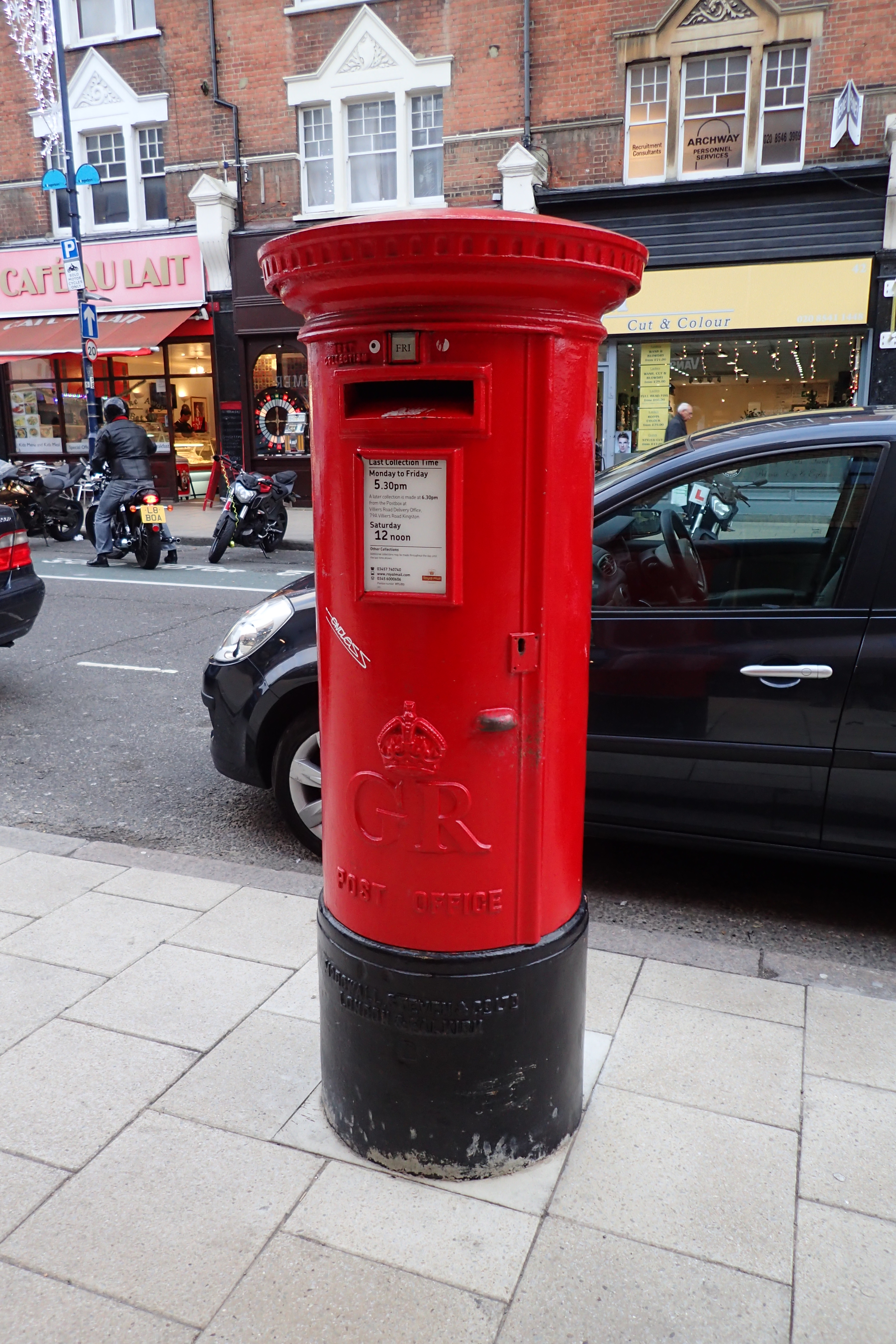
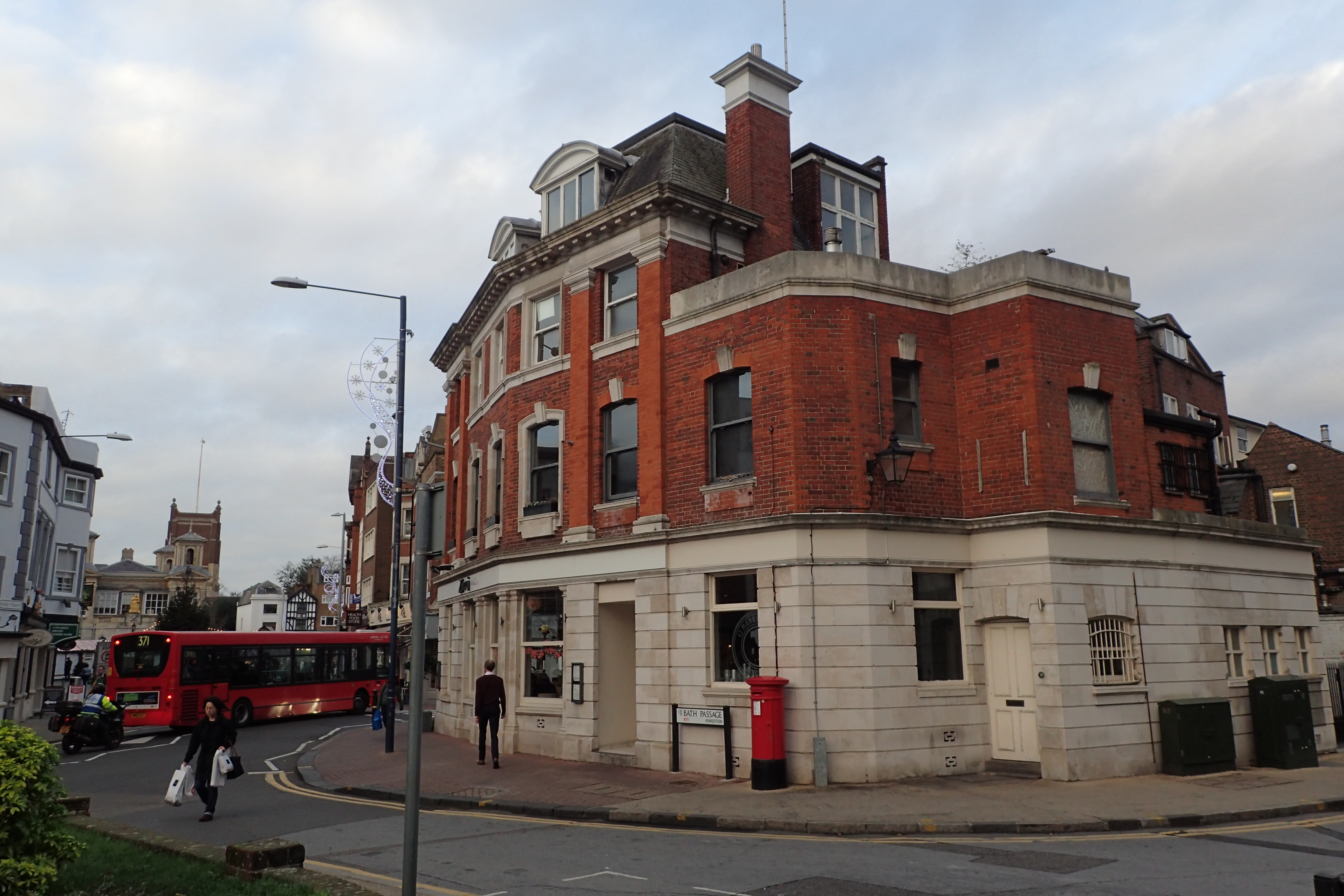
The large A type seen at Kingston reflects George V’s expressed wish for a simpler ‘block’ type cipher, omitting his regnal number (V). He was presented with drawings showing more fanciful designs but rejected all. Again, this large box can handle large volumes of mail. This particular box was cast by McDowall Steven, but the foundry lost the contract for manufacturing all smaller B type pillar boxes in 1922.
The long roads emanating from the town centre in the ‘Home of the Derby’ are typical of so many of the towns across the UK that expanded during the reign of George V. Many of these roads will have pillar box after pillar box, sited only a couple of hundred metres from each other, invariably B types. This is probably the second most common box I see on my travels and while a fine example of a pillar box, I do have a preference for the more ornate cipher of EviiR. Sadly, on my London LOOP, I encountered none of the far rarer pillar boxes surviving from EviiiR.
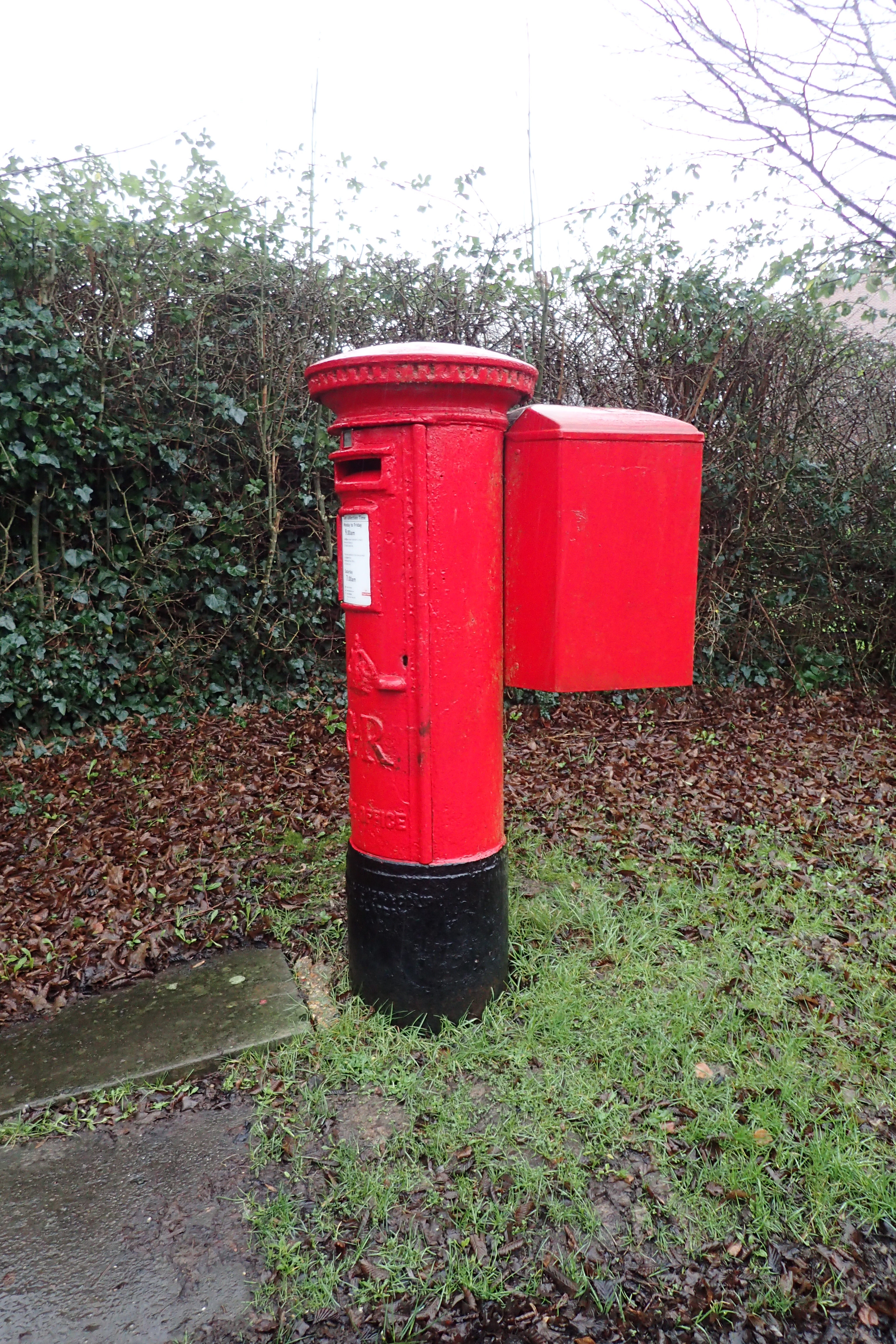
The smaller Carron made GR B type I saw near Moor Park also sported one of the unsightly pouch boxes on its rear. The later addition of these circumvented the need for planning applications and pleased few beyond the postman on his round who relied on these for his second, third, or even fourth, pouch of mail whilst out on delivery.
The need for these pouch boxes has declined following the introduction of mail vans and trolleys being taken out on delivery. I will be glad to see the last of these pouch boxes removed as they do nothing to add to the aesthetics of pillar boxes and are almost certainly not required today.
If GR B type boxes are a frequently seen pillar box, GviR boxes are certainly not. While not rare, I do find them uncommon, so I was pleased to come across an example at Kingston.
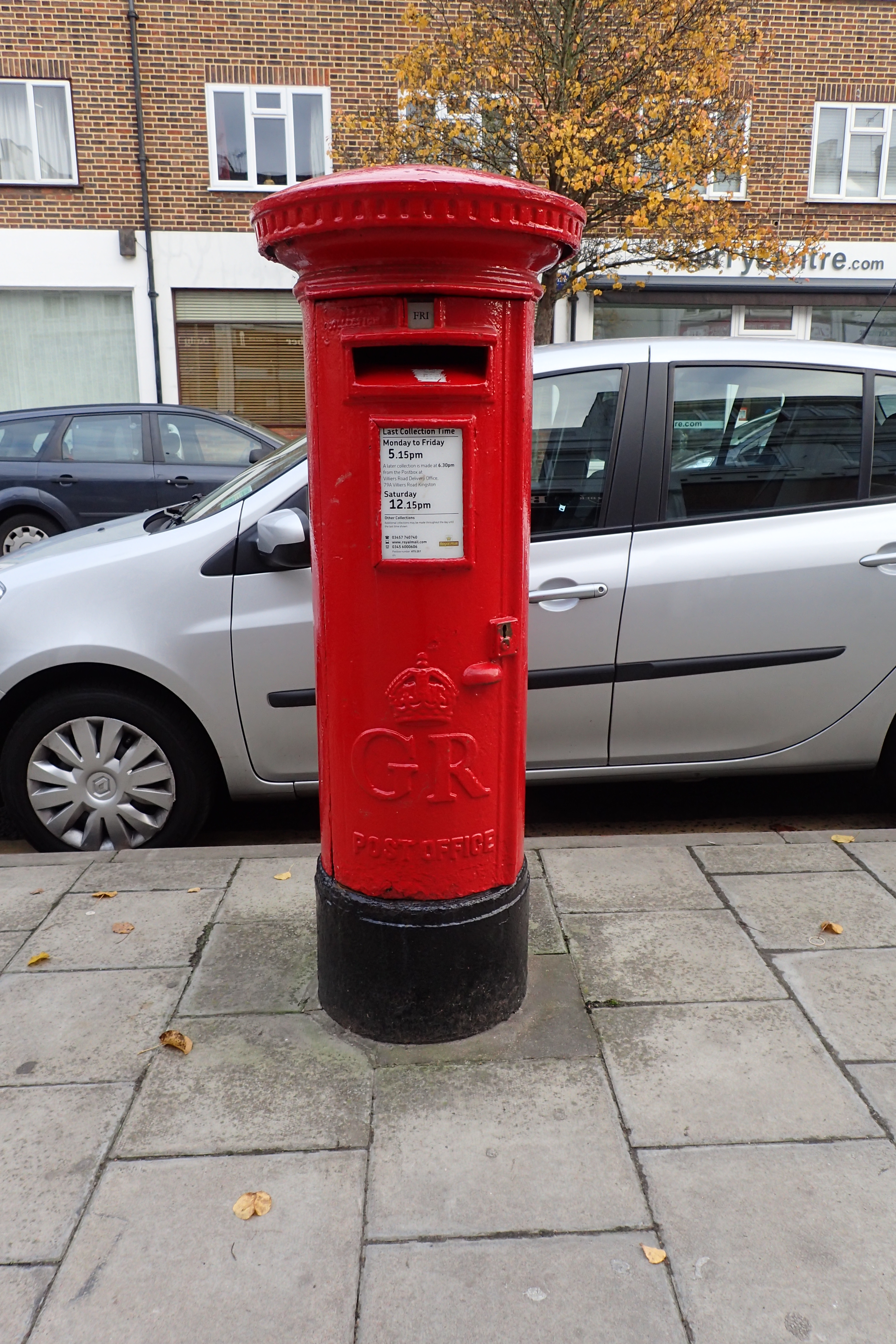
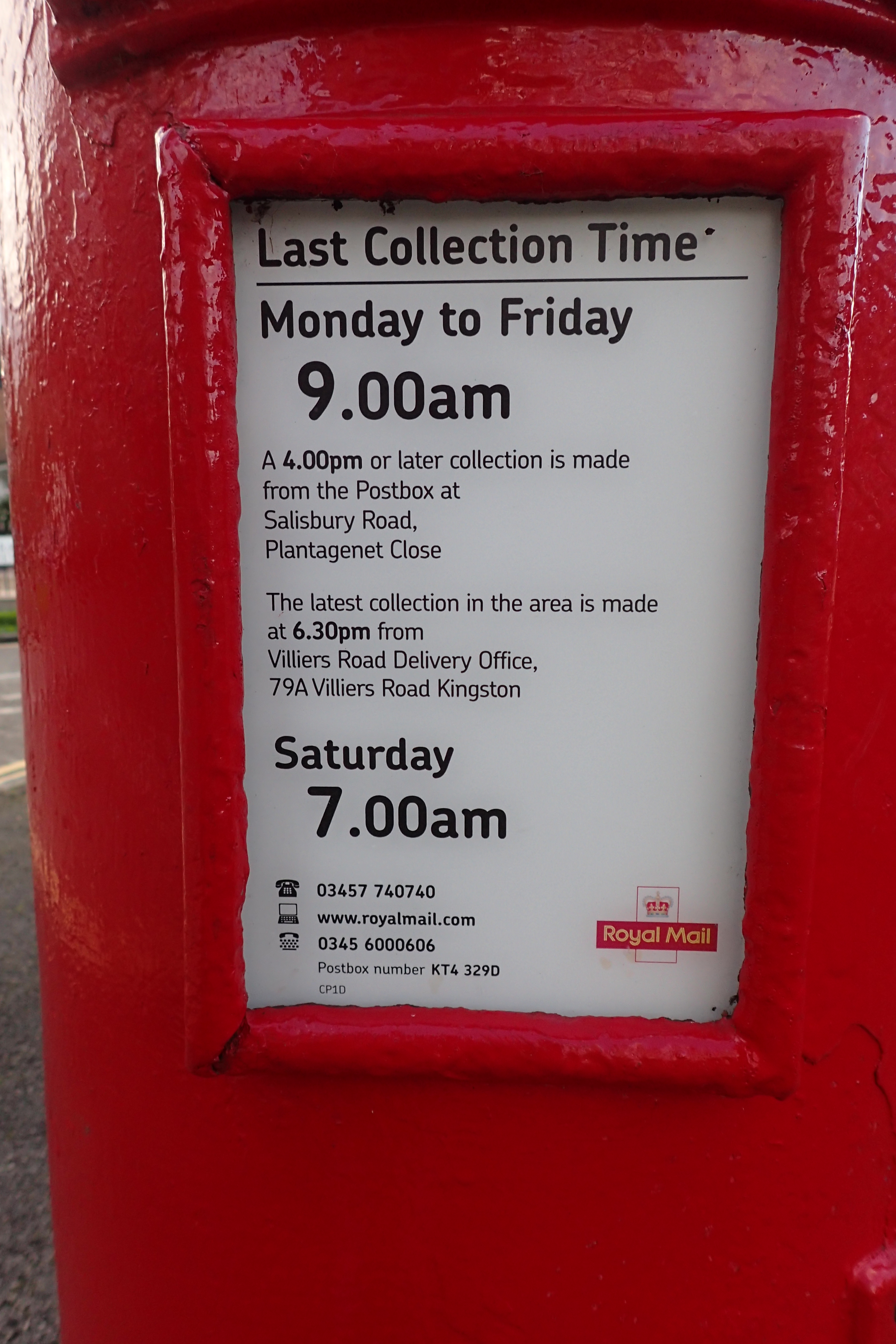
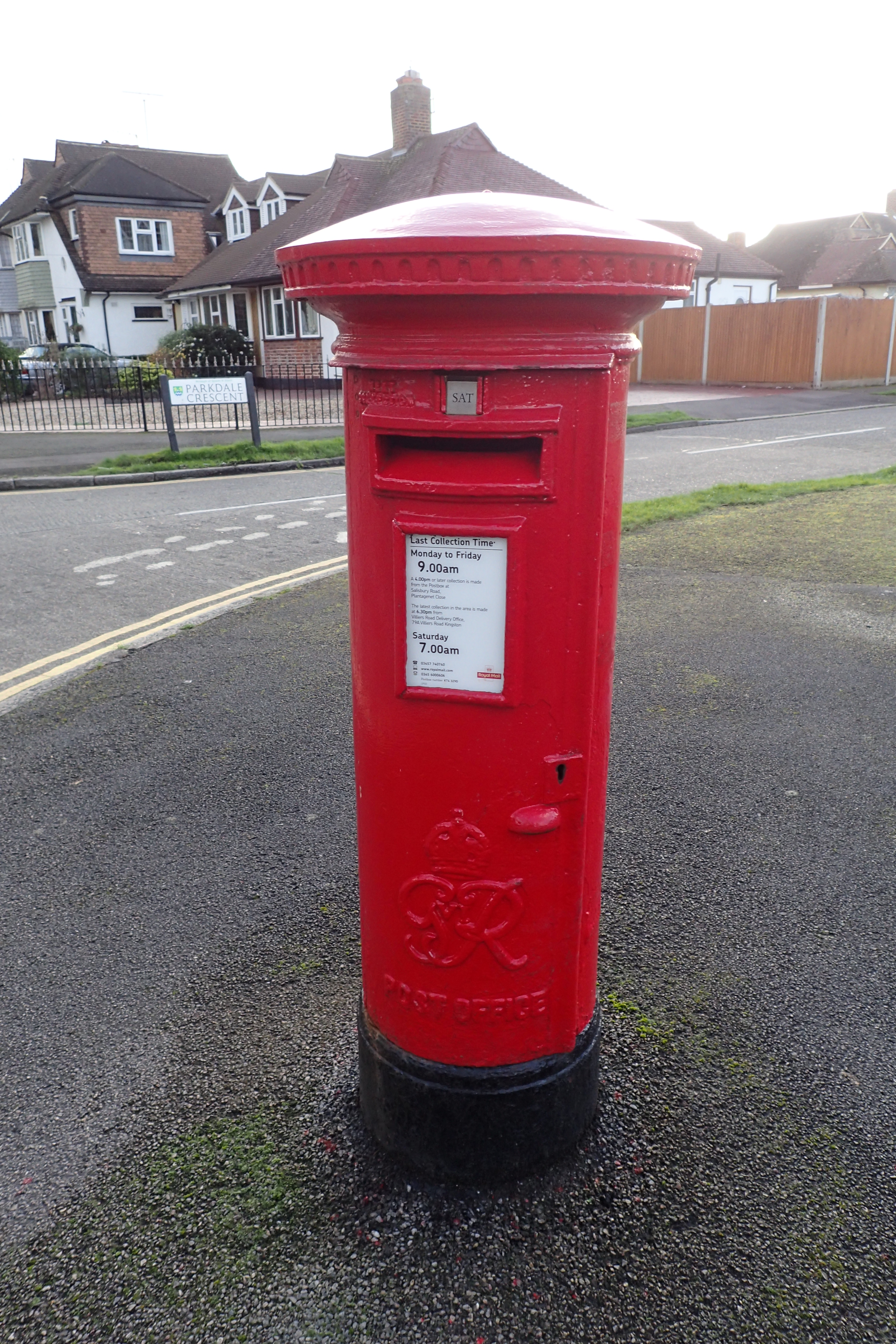
George VI reigned 1936-52, right through the Second World War, a time when iron was required for the war effort so few post boxes were made. The box shown here is another box made by Carron and is one of those that suffers from an early collection – 09.00 in the morning.
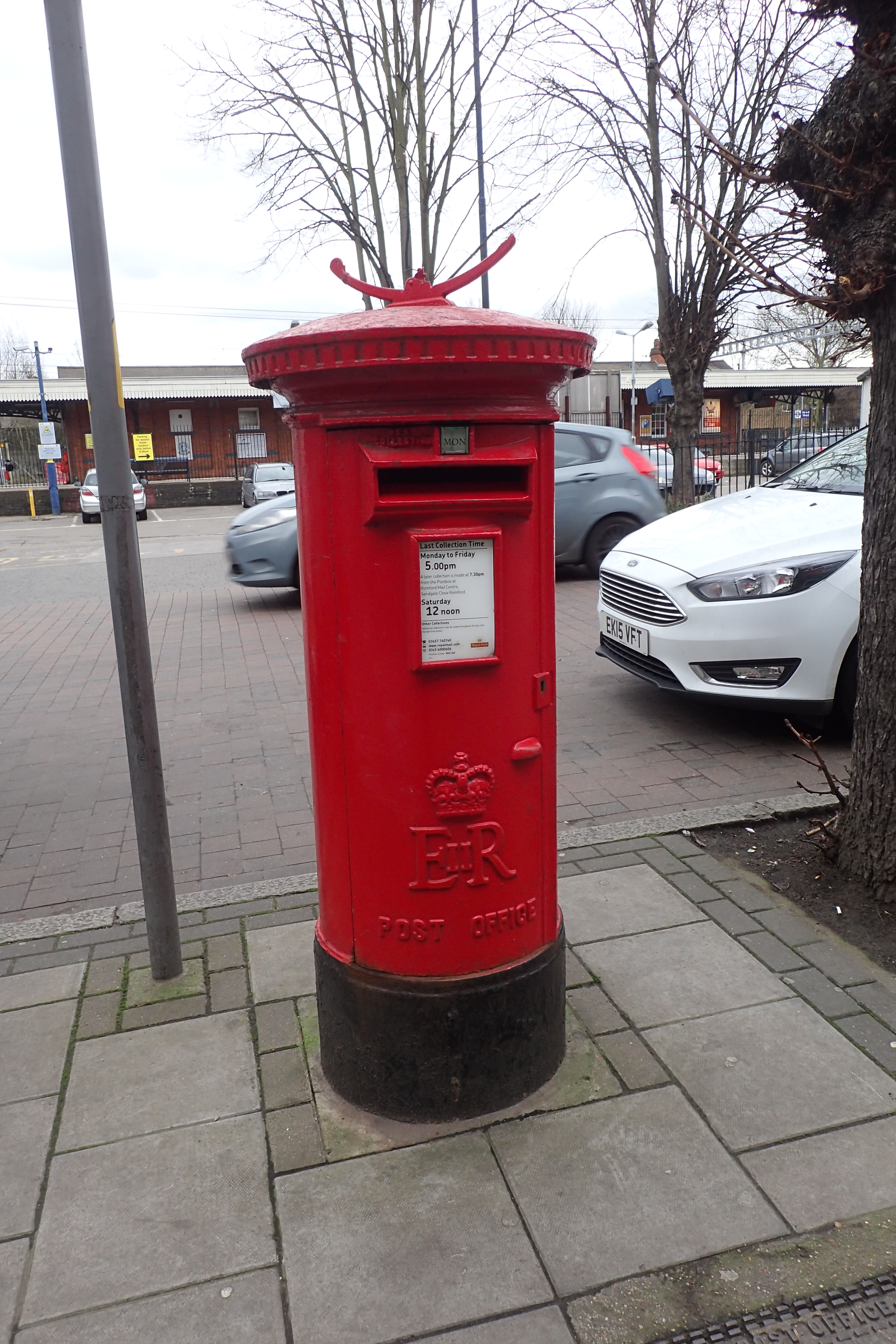
2016 saw EiiR become the longest reigning British Monarch and it is probably not surprising that I came across so many different boxes from her reign on my 150 mile walk. I found one of the large A type pillars carrying her cipher outside the post office at Harold Wood. She reigned 1952-2022 and boxes from her reign will remain in place, as with those of other monarchs, while still functional and required.
This pillar box also had a remarkable survivor on its cap, a frame that originally supported a Post Office Direction sign (POD). Now long gone, this would have been a cream coloured, enamel oval sign with a red arrow, pointing toward the nearest post office.
Day six of my walk around the London Outer Orbital Path saw me wandering past another EiiR pillar box, this time a smaller B type pillar at Hounslow.
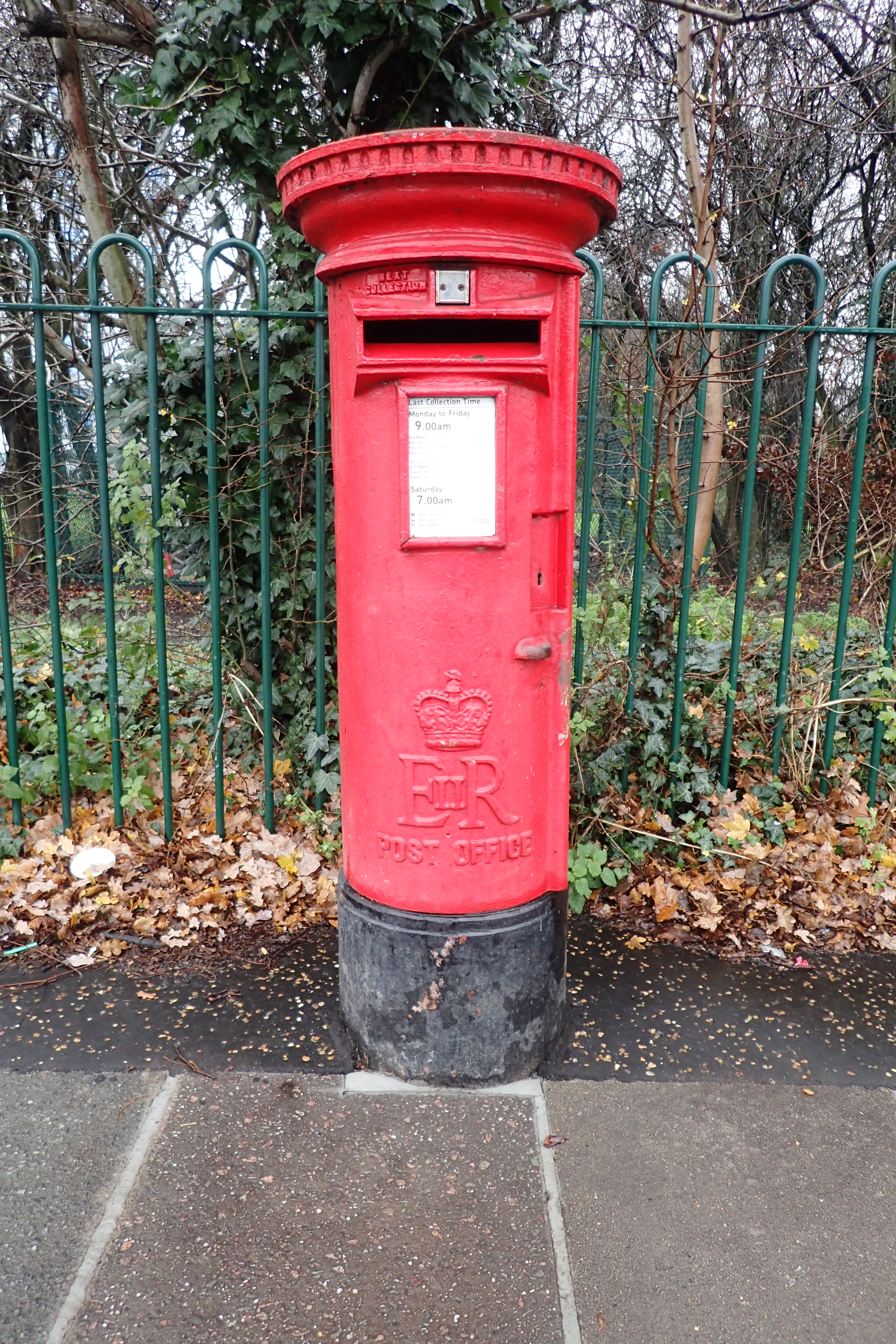
This, like its larger sibling at Harold Wood, has a wide 10 inch aperture introduced to accept the large size business mail so prevalent in recent years. These large apertures contrast dramatically with the narrow apertures of earlier boxes that catered for much smaller letters. While practical, I don’t like their design as it makes for an unbalanced jutting appearance.
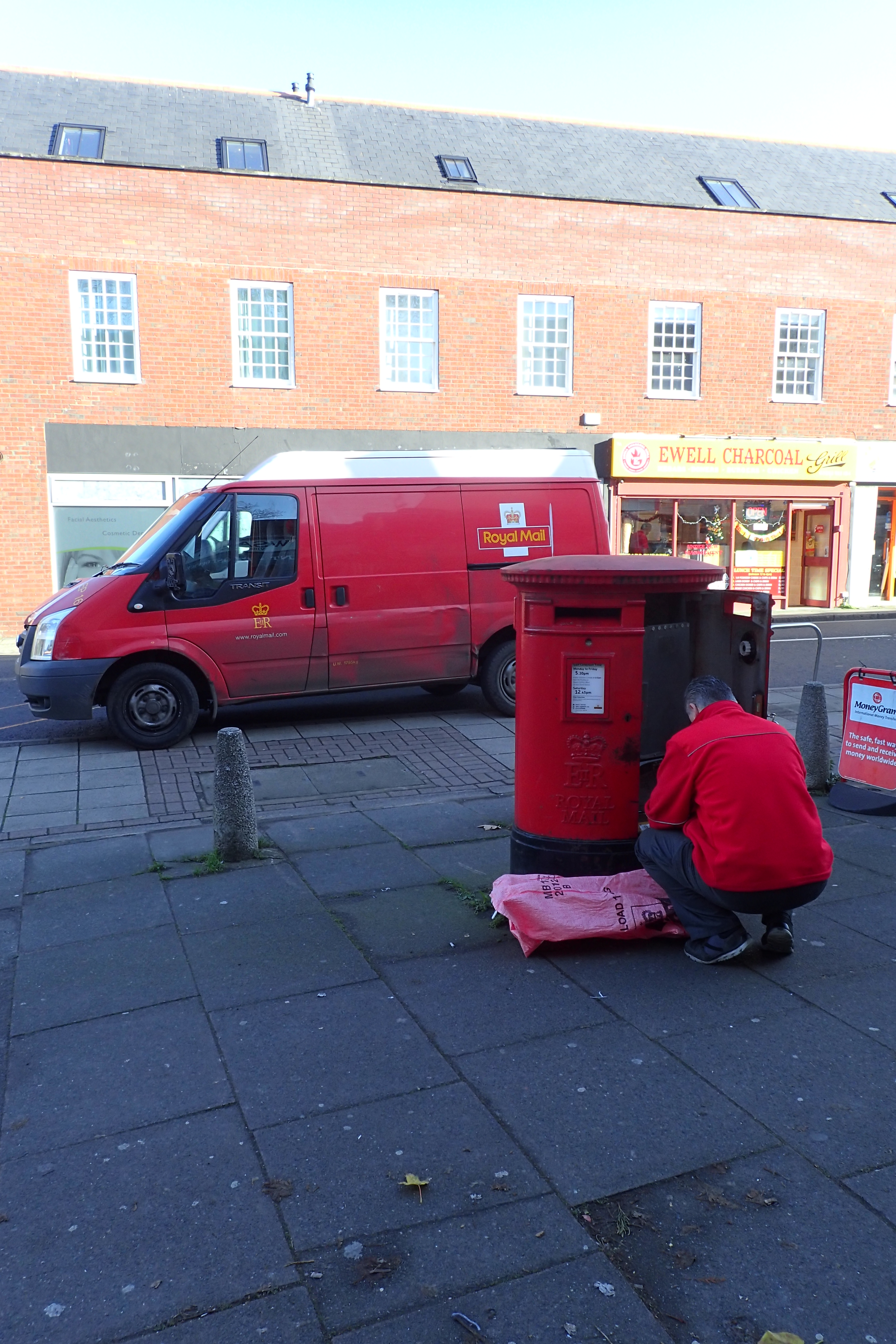
Large, double aperture C type boxes were first introduced in 1899 in London. They are a common sight in the City but I encountered far fewer on the fringes that the LOOP passes through. It was an EiiR example of a C type that I found a postman emptying mail from, outside Ewell post office.
This box also revealed a change in brand. The words ‘Post Office’ had been replaced by ‘Royal Mail’. I would see other examples of this change elsewhere on the LOOP.
Another change made to later C type boxes was to the double doors. Instead of having the doors mounted on each end (left and right), the design was changed so that they opened outward from the centre. This cut down, just by a few seconds, the length of time taken to clear each box. Multiply that across the hundreds of C types scattered across the nation and large savings are made in the time taken on collection duties.
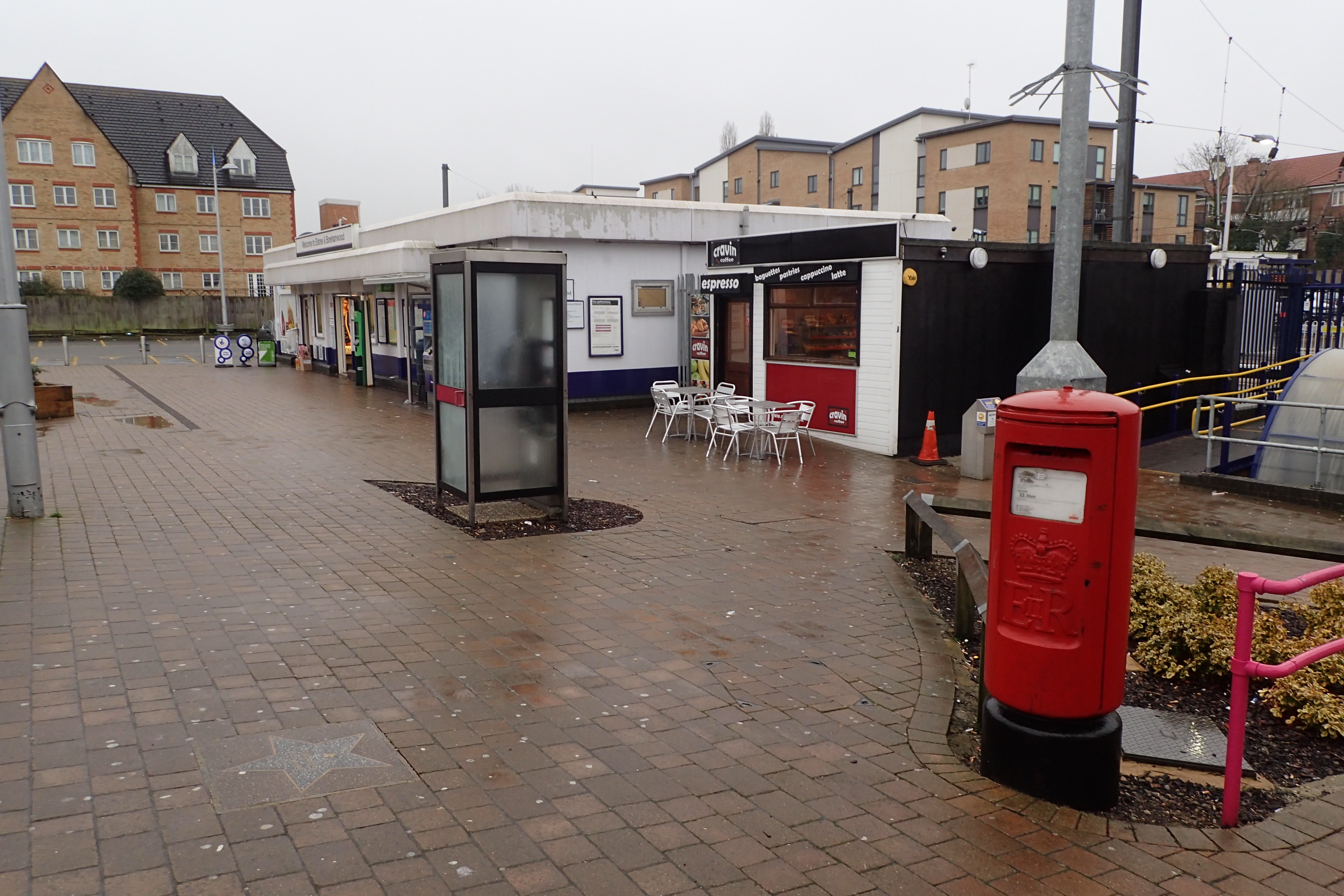
I travelled to and from each day’s walk on the London LOOP by public transport, and outside Elstree and Borehamwood railway station I encountered a step change in pillar box design. This was the K type. Designed by Tony Gibbs, the K type was introduced in 1980 and was supposed to herald the introduction of new design. These capless boxes have their detractors, and the ingenious swan neck hinges are beginning to wear, causing doors to drop. But I am appreciative of the attempts to update box design with improved weather guarding and better visibility of collection plates.
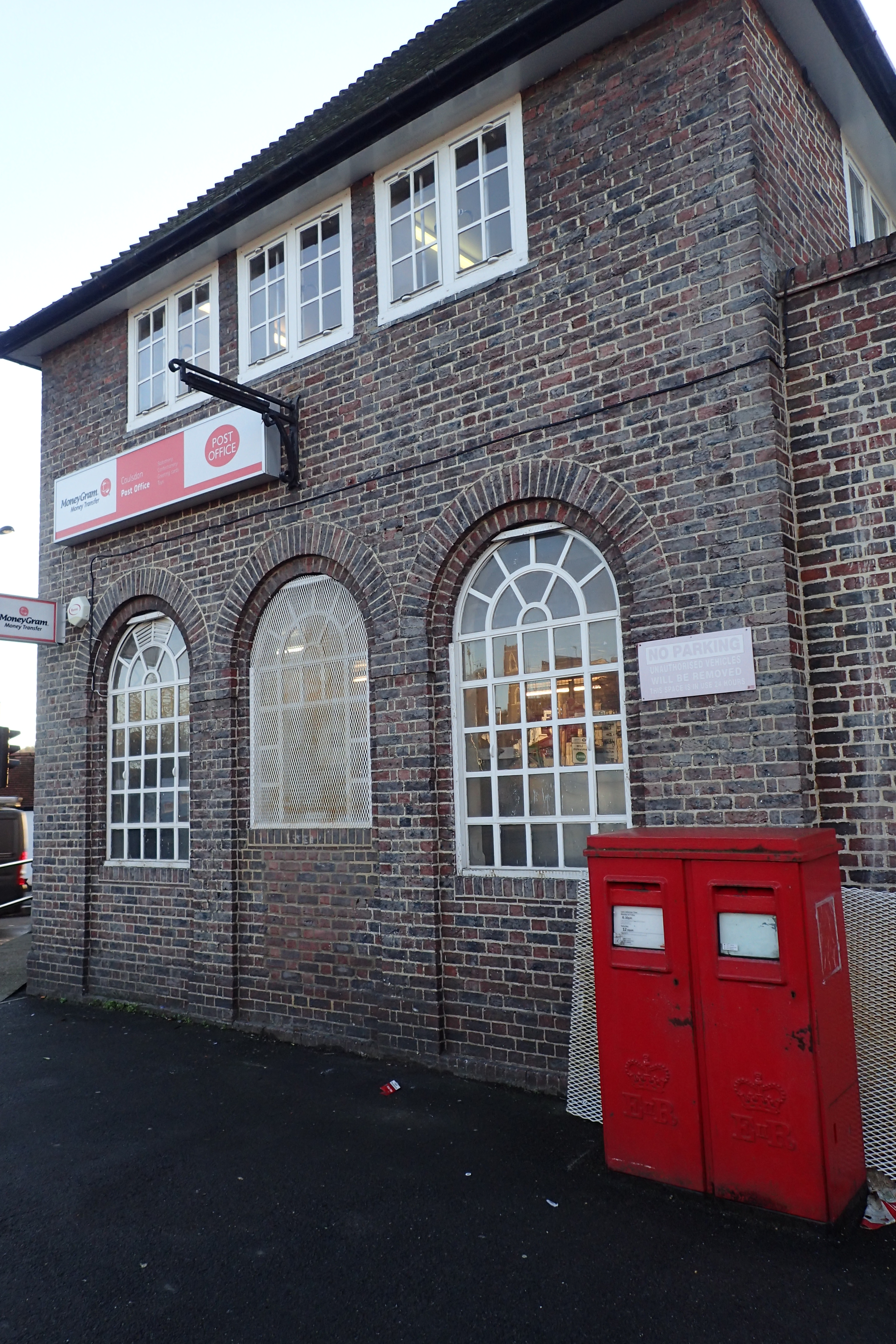
Another good design of box that failed to impress the public was the G type. This rectangular cast iron box was introduced in 1974, made of cast iron by Carron, they were an improvement on an even earlier sheet steel ‘F type’ design (all of which promptly rotted away). Good design, but they never usurped the traditional cylindrical A and B types. Some areas had two G types placed side by side, sharing an elongated cap.
It was one of these ‘double aperture’ boxes that I found tucked round the side of the Coulsdon Post Office. There was a slight difference between the foundry castings for left and right boxes: the one on the right has a small door on the side for postmens’ second delivery pouches. The boxes placed on the left had no such door. Though normally this difference cannot be seen as the two boxes are placed side by side.
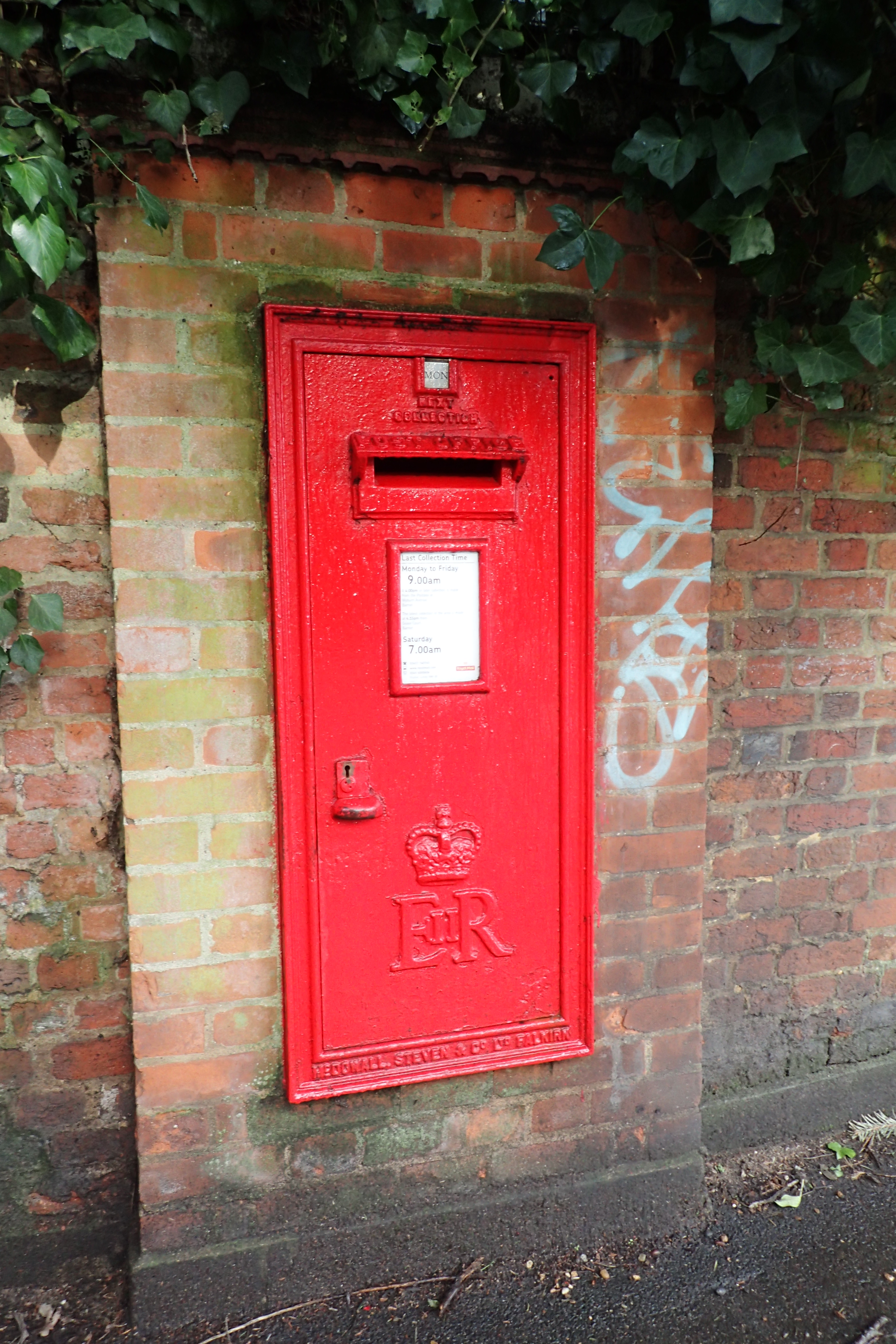
I was a little surprised not to find many wall boxes on my 150-mile walk, particularly as they had been introduced in 1857, just five years after pillar boxes. No doubt they were there, just not on my particular route. One of the few I came across was the large sized EiiR A type wall box at Monken Hadley near Barnet. It was often difficult to find suitable locations for wall boxes and manufacture of cast wall boxes ceased in 1980.
The McDowall Steven cast box I passed looked as though it has another few decades of life in it. It is another example of a post box where later design included the aperture in the door, as with the pillar boxes, a design change made in 1904.
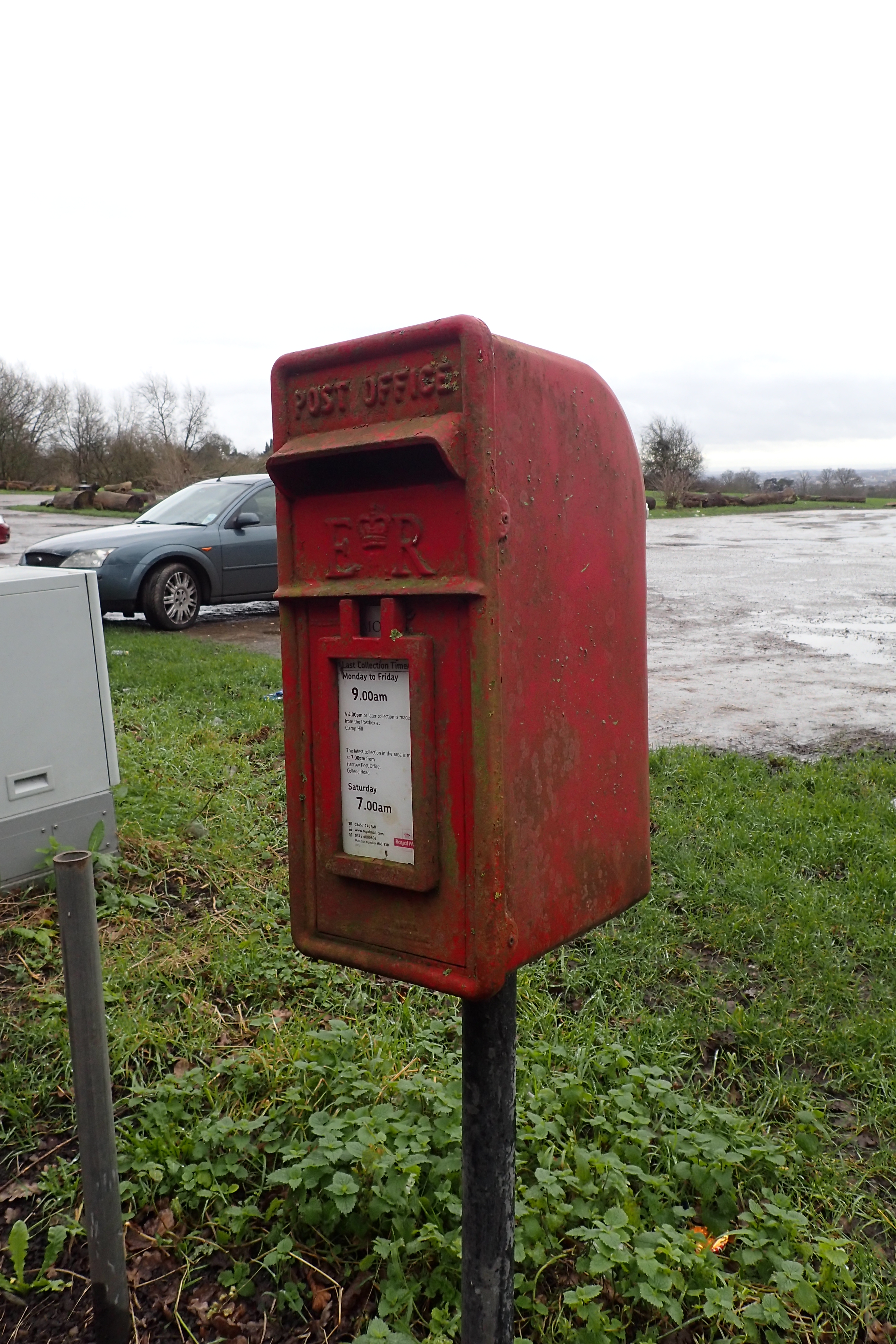
I passed a number of the small ‘Tinnie Lizzie’ lamp boxes over my winter walk. All of them looked pretty mouldy with the red paint covered in green. Lamp Boxes were first introduced in 1896. This third design of lamp box is the most long-lived of all types of post box, having undergone few changes since first introduced in 1949.
The box with its back to the view at Harrow Weald Common carries the cipher of EiiR. The lugs on the side reveal a method of construction change made in 1977 while the words ‘POST OFFICE’ above the aperture show that this box is pre-1994, when business changes meant that the words ‘ROYAL MAIL’ were cast on to all lamp boxes made after that date. The cheaper sheet steel boxes made today don’t even have that casting, simply a steel plate bolted or welded to it.
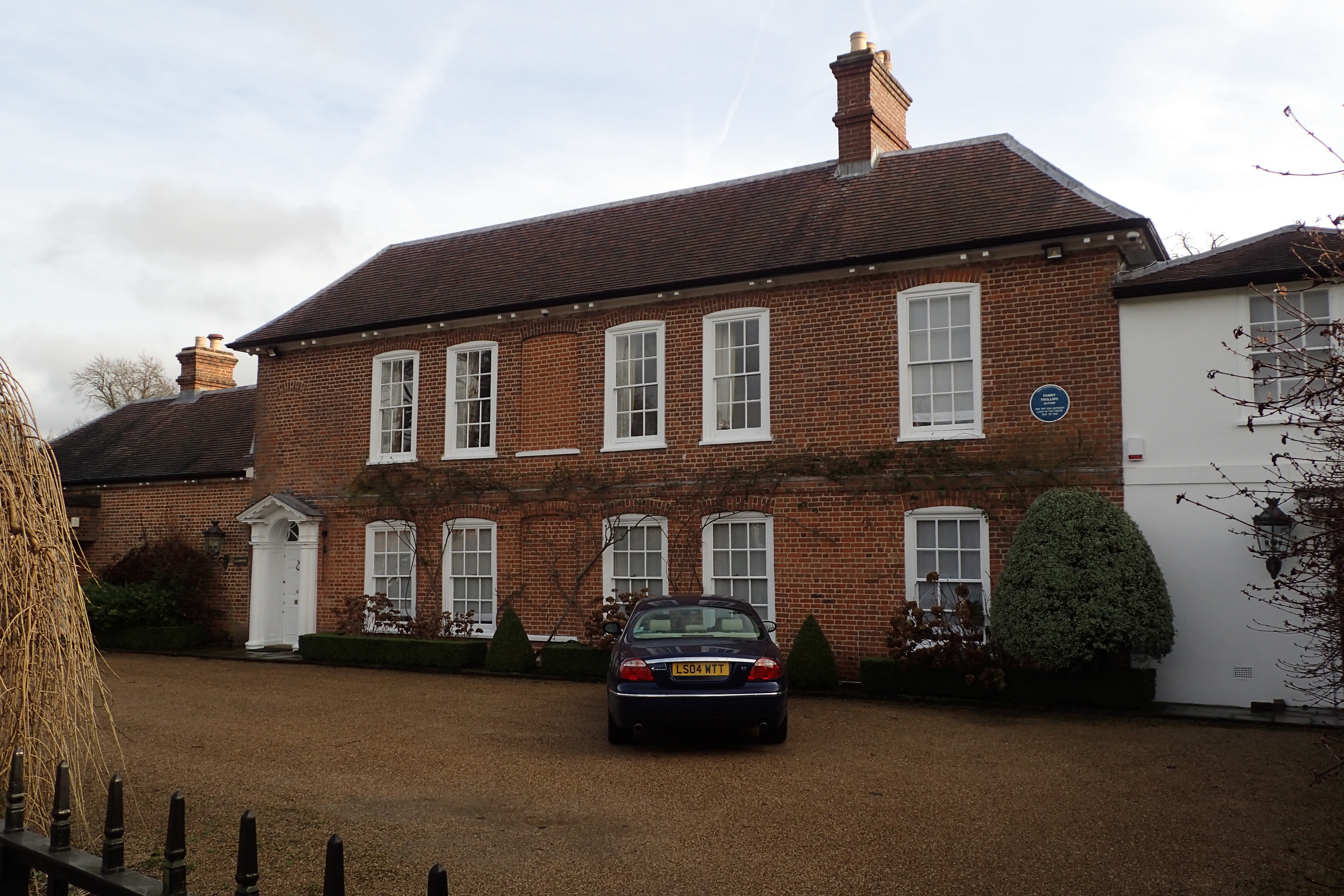
While I had expected to see a number of post boxes on my wanders, I was unprepared for encountering another piece of postal history. The first use of roadside pillar boxes by the British Post Office was proposed by the novelist Anthony Trollope, a Post Office employee at the time. Walking through Monken Hadley, I paused to read the blue plaque on a large house. The young Anthony had lived in this house with his mother Fanny Trollope between 1836-1838.
I completed my walk in late February. I had enjoyed it, especially coming across snippets of local history, natural history, more mud than I want to encounter again, alongside a few pleasant reminders of the [then] day-job en route.
One thing is guaranteed while hiking in the UK. That is encountering a fascinating array of street furniture.
- Airmail boxes of the 1930s
- The ‘Ludlow’ post box
- The ‘Nigerian’ pillar box
- Wall boxes- the ‘one in every village’ scheme
- Sustrans Millennium Mileposts– occasionally encountered on the National Cycle Networks
- Telephone Kiosks– can you tell your K2 from your K6?
- Trail signage– a totally random collection of signage from the trail
- Village and Town Signs

 Three Points of the Compass
5 replies »