
Three Points of the Compass delves into his love/hate relationship with trail shoes. Now everyone, sigh and shake your head, pity him…
What follows is not in any way intended to be any sort of product review. Footwear is a very personal issue. What suits one person, will seldom suit another to the same degree. Some people like boots, some like breathable trail shoes, some like waterproof trail shoes, some like lots of cushioning, some like a greater or less amount of stack height, some like zero drop, and others don’t. Some brands and models of footwear suit, others do not. The list goes on. Then we come to durability and cost. These things cost a lot of money.
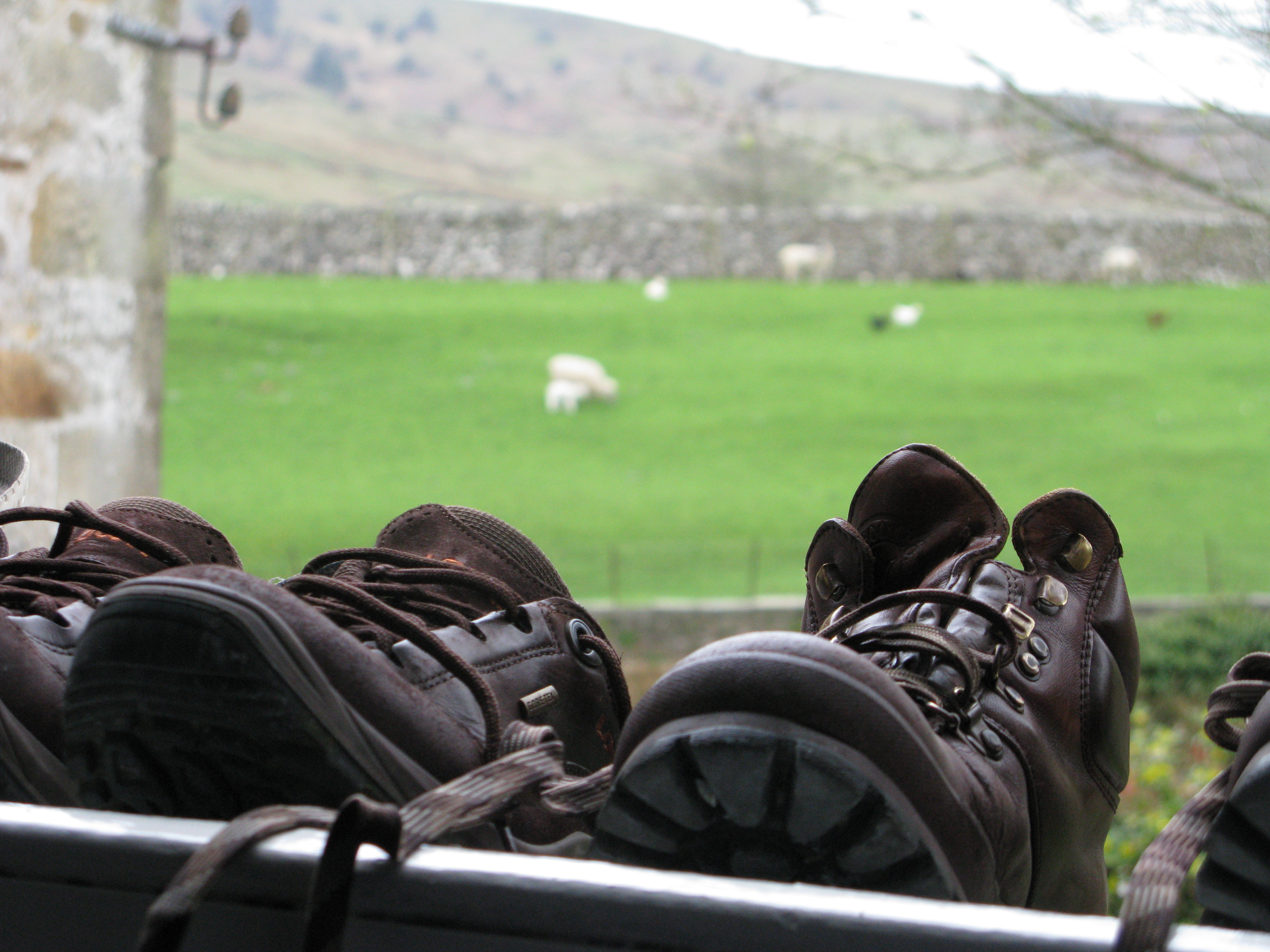
I still have the last pair of boots I purchased. These are a scuffed and well worn pair of Brasher Hillmaster GTX. Made back when they were still a quality item. They are a decent leather boot, with a Gore-Tex lining that was once waterproof, but lost that integrity and these boots would eventually wet out, even after a decent wax polish. Once they got wet inside on a multi-day hike, it was unlikely that they would dry out until back home. They now live in the boot of the car, reserved for dog walks on the heath.
It was around 2012 that I decided to try trail shoes instead of boots for backpacking. I had read the hype and wondered if they might be the right thing for me. I definitely appreciated the lighter weight and immediate feeling of nimbleness.
I tried Inov8 at first, both 295 and 330s, but eventually found them a touch too narrow for my apparently British style of wide foot. The grip those Inov8’s provided was fantastic but they messed around with the design and they proved even less suited to my foot shape. I looked further. I tried the Salomon XA Pro, popular with long distance hikers, but also found them too narrow and having worn them on a couple of trails, then reserved them exclusively for work, where I could kick them off below the desk for the day. Anything to try and get some more wear out of an expensive purchase. I should also mention that the heel cups on both Inov8 and Salomon shoes wore through while the shoes had plenty of life left in them.
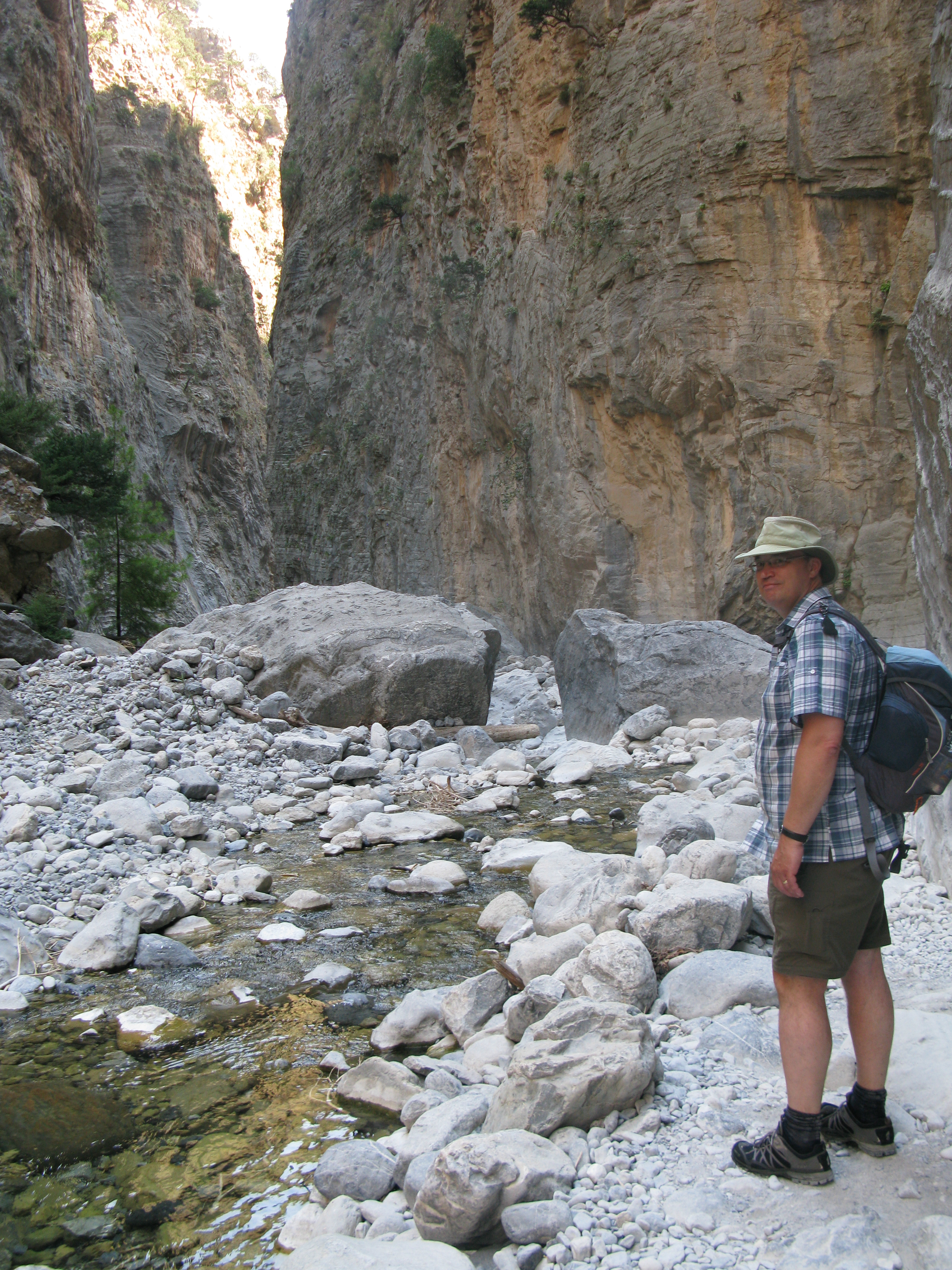
This change in footwear type was partly driven by my suffering from plantar fasciitis at the time. It took me two and half years of physiotherapy, exercise, stretching and massage, before I was pain free, partly aided at the time by custom orthotics. I couldn’t handle zero drop shoes at first, but eventually transitioned into them. I looked beyond the narrow foot Inov8 and Salomon to the wider toe boxes that some other shoe brands provided.
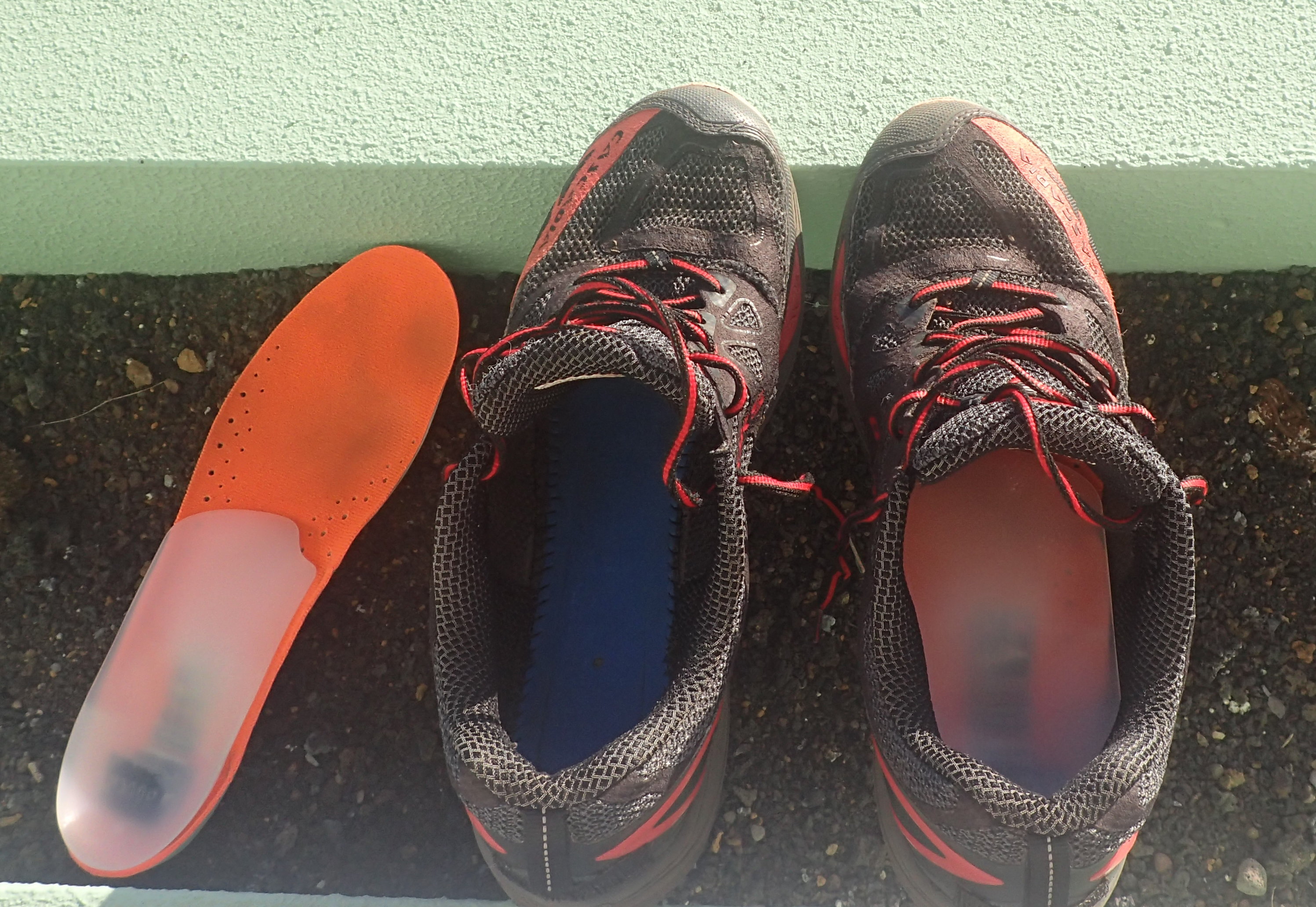
Brooks Cascadia was an early favourite, even if they more resembled clown shoes at the time. It wasn’t all plain sailing and I had a steep learning curve on how to handle ‘wet feet walking’. If anything, I found the toe box on the Cascadia’s too wide and my feet could slip sideways within them at times. This caused me particular issues when I completed one National Trail and I wondered if I had made some huge mistake in moving away from boots to shoes.
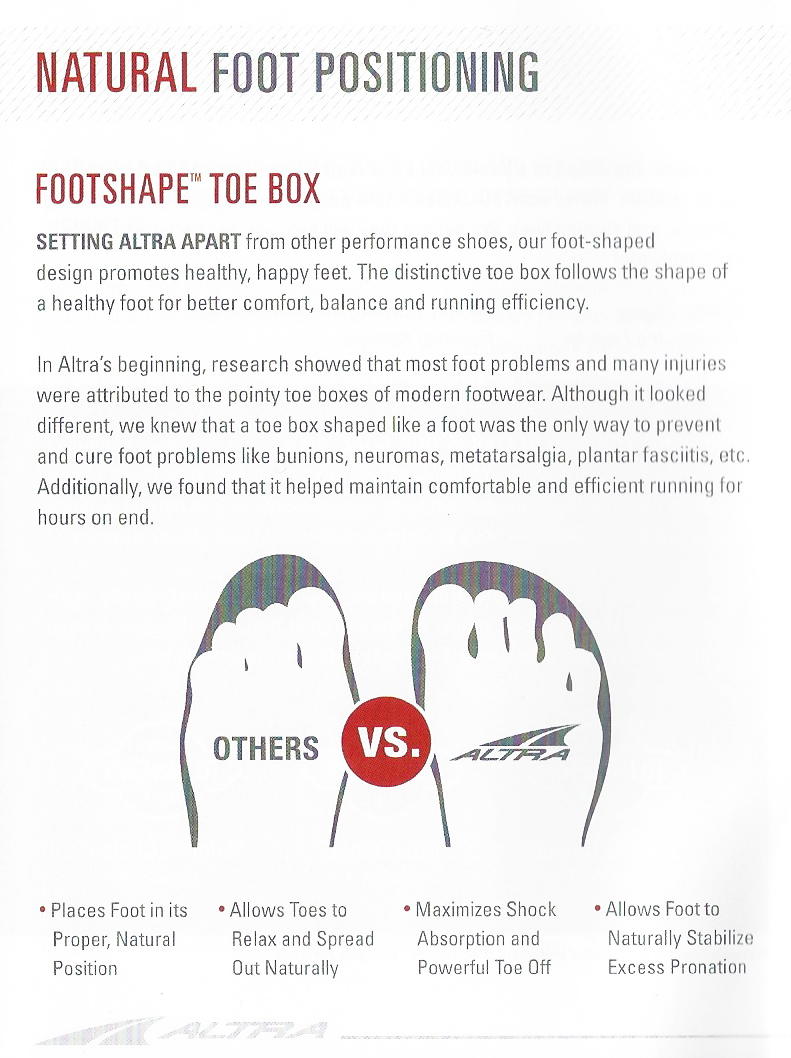
Meanwhile, every long trail hiker in the US seemed to be raving about Altra trail shoes and it wasn’t long before I purchased a pair to see what all the hype was about. I alternated between the two brands, determining which I was most comfortable with.
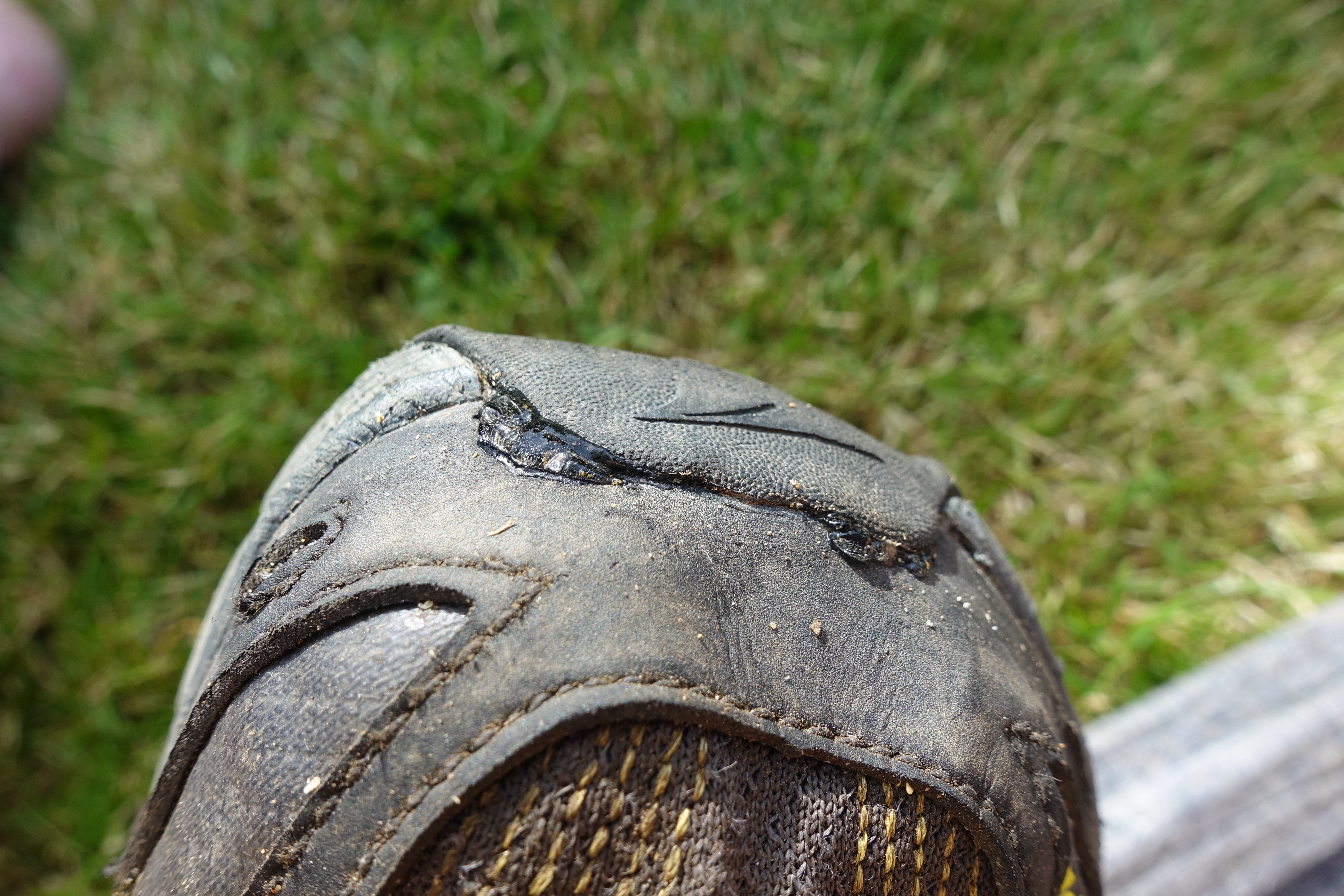
It didn’t take more than a few hikes to realise that I had found the (almost) ideal footwear. The Altra Lone Peak shoe was comfortable, fitted my foot shape better, were ‘almost’ durable enough, and could often be worn all day without even noticing them on my feet. I then experienced years without foot issues over thousands of trail miles. Though I had to start including a tiny tube of super glue in my ditty bag to glue back the rubber toe of the sole that invariably peeled off after a hundred of miles or so. It took Altra years before they solved that issue.
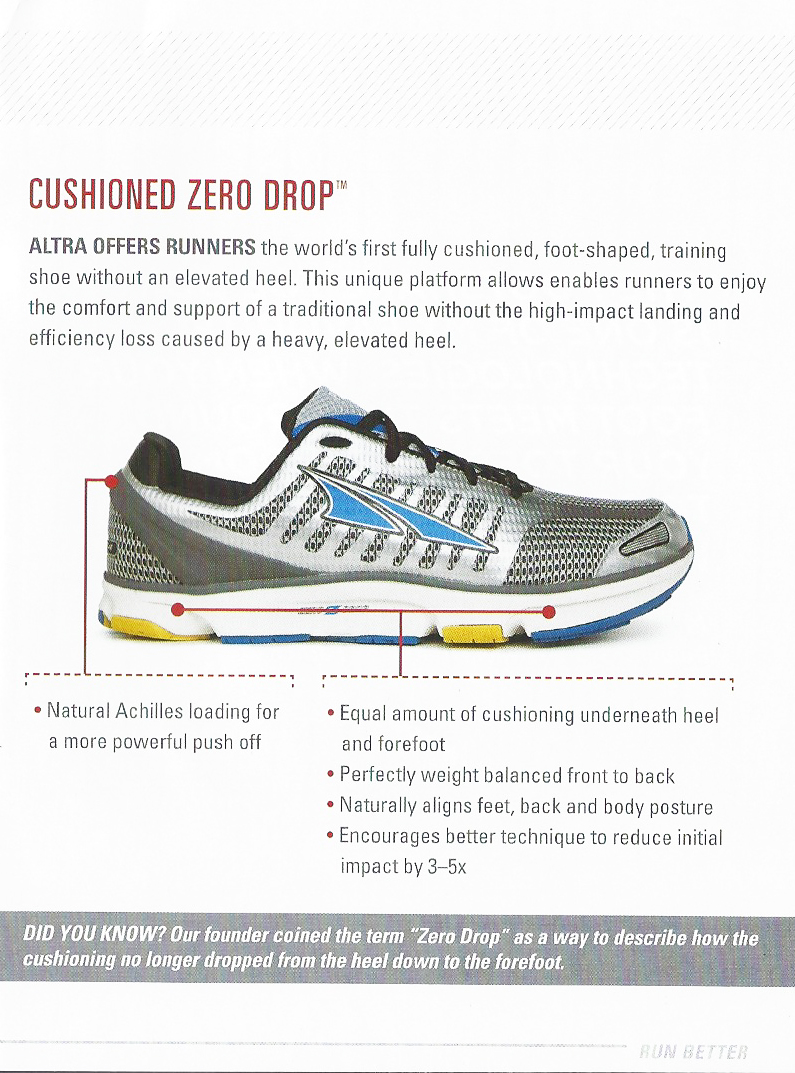
It was Altra who popularised their take on the (then) traditional breathable trail shoe, adding a zero drop heel, wide toe box and ‘style’. I have been wearing Altra Lone Peaks, first released in 2011, since their 2.5 version. Each year, I keep an eye out for their updated model in both my size and some sort of muted colouration, as they do like to release these in hideous garish colours. Fine if you like that sort of thing, but not for me thanks.
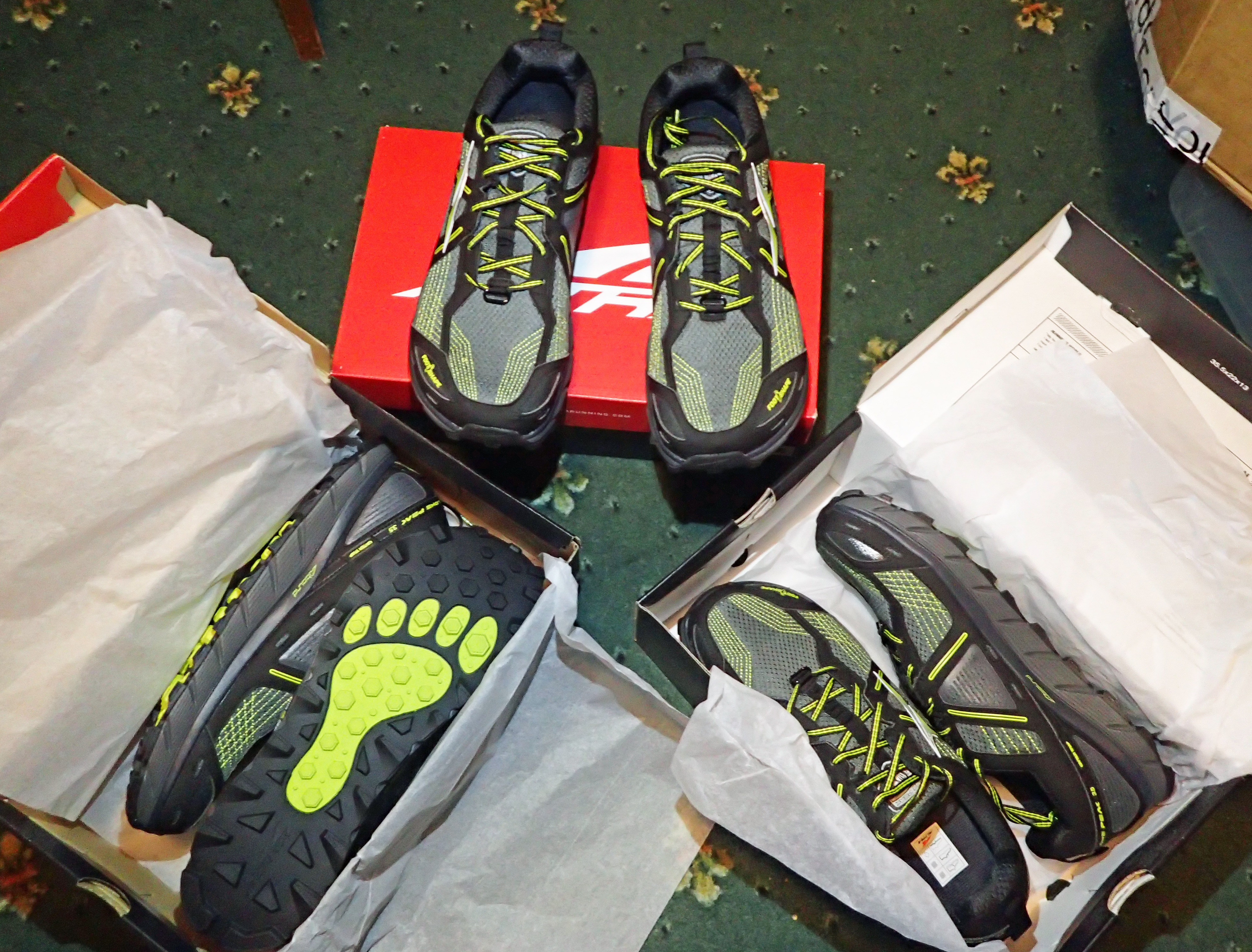
Other than a few trails of around a hundred miles or so, my first real test of these shoes was when I wore three pairs of Altra Lone Peaks on a 2500 mile backpack across mainland UK in 2018. They put up with a lot of punishment. I waded across estuaries, bog trotted for miles, trod mile upon mile of tarmac, and gave them scant attention. I got between six and seven hundred miles out of a pair before having to swap them out. What was more important was foot care. Evening washing, airing, massaging and foot balm. One notable outcome from that hike was my feet increased in size, from UK 11 to 12.
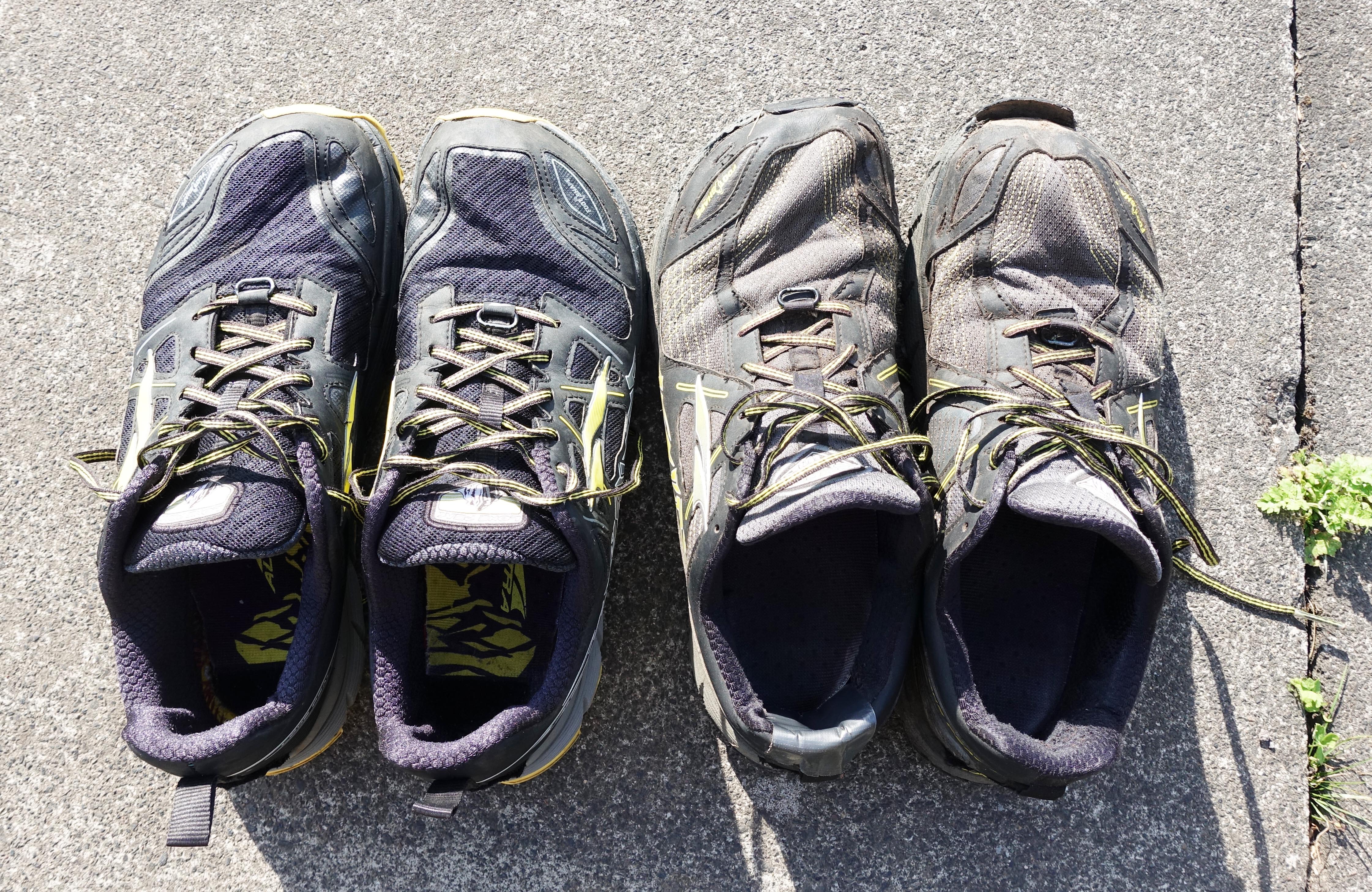
On that long and amazing hike I had two tiny blisters in the first week. These were actually caused by the orthotics, that I promptly dumped. After that I had no other foot issues for the remaining five months. Since then, I have had very few foot problems, no blisters, no strains, nothing, until the last couple of years. More on that later.
I do not have bottomless pockets and once I found Altra Lone Peak, a brand and model that mostly suited me, I stuck with it. On more than one occasion, the first miles I walked in a new pair of shoes were those when I walked out the front door to start a multi-day trail. Rarely did I have an issue with my footwear. Perhaps not a recommended way of doing things, but they were simply that good.
I was almost afraid to experiment further. I cannot afford to buy multiple expensive shoe brands and various models of shoe just to then find they are not suited to me. A brief wander round a showroom in new footwear reveals almost nothing and they seldom hold my UK size 12 anyway. Trail shoes are not cheap, especially when you realise how comparatively few miles you will get out of them compared to a pair of looked after boots. Despite me always looking for last years model or in sales.
Sales never seemed to have my size, or they are only available in bright pink or orange. So for many years and many many miles of trail, I have stayed with the same brand and model of trail shoe, despite being frustrated by what seemed to be an ever declining durability.
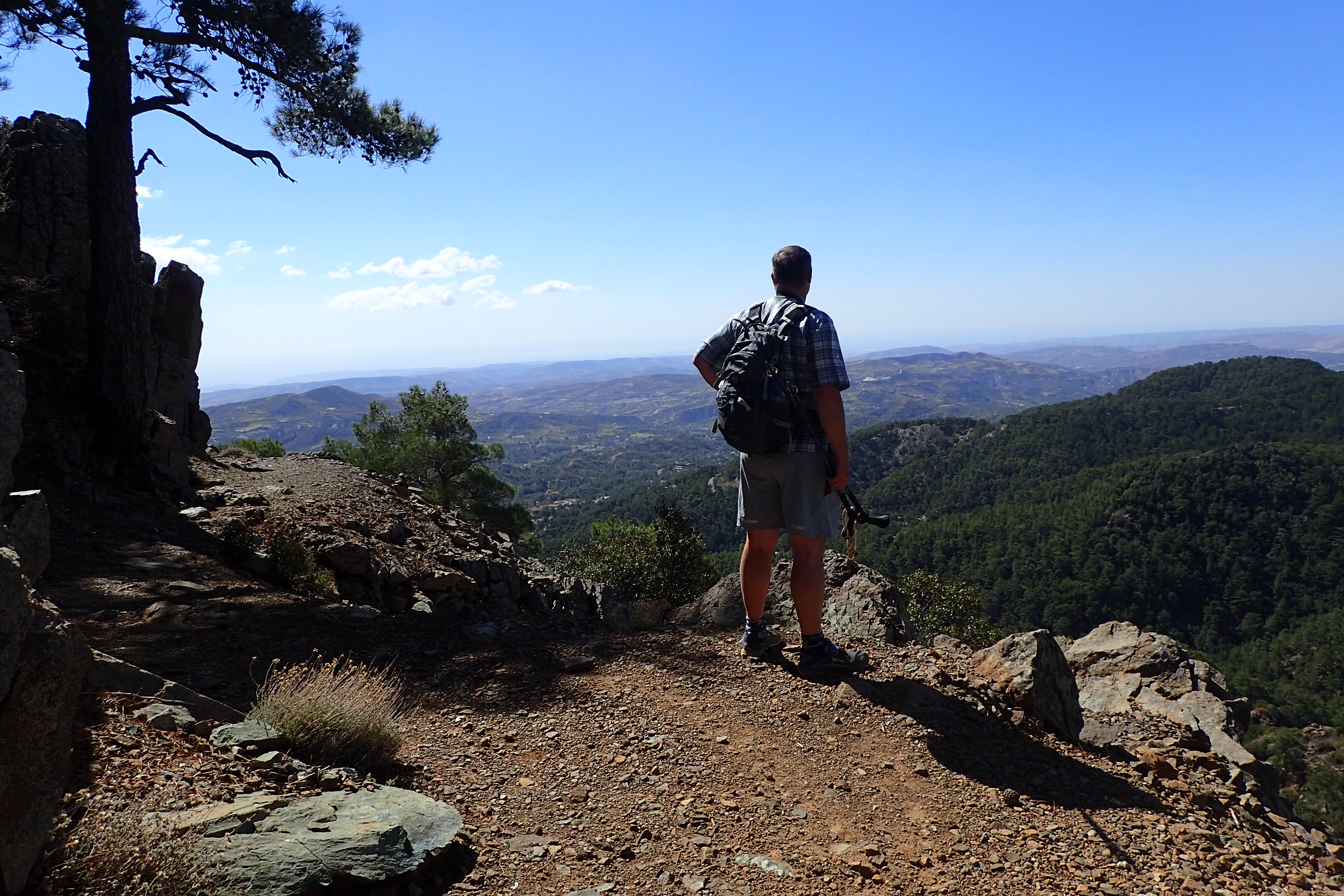
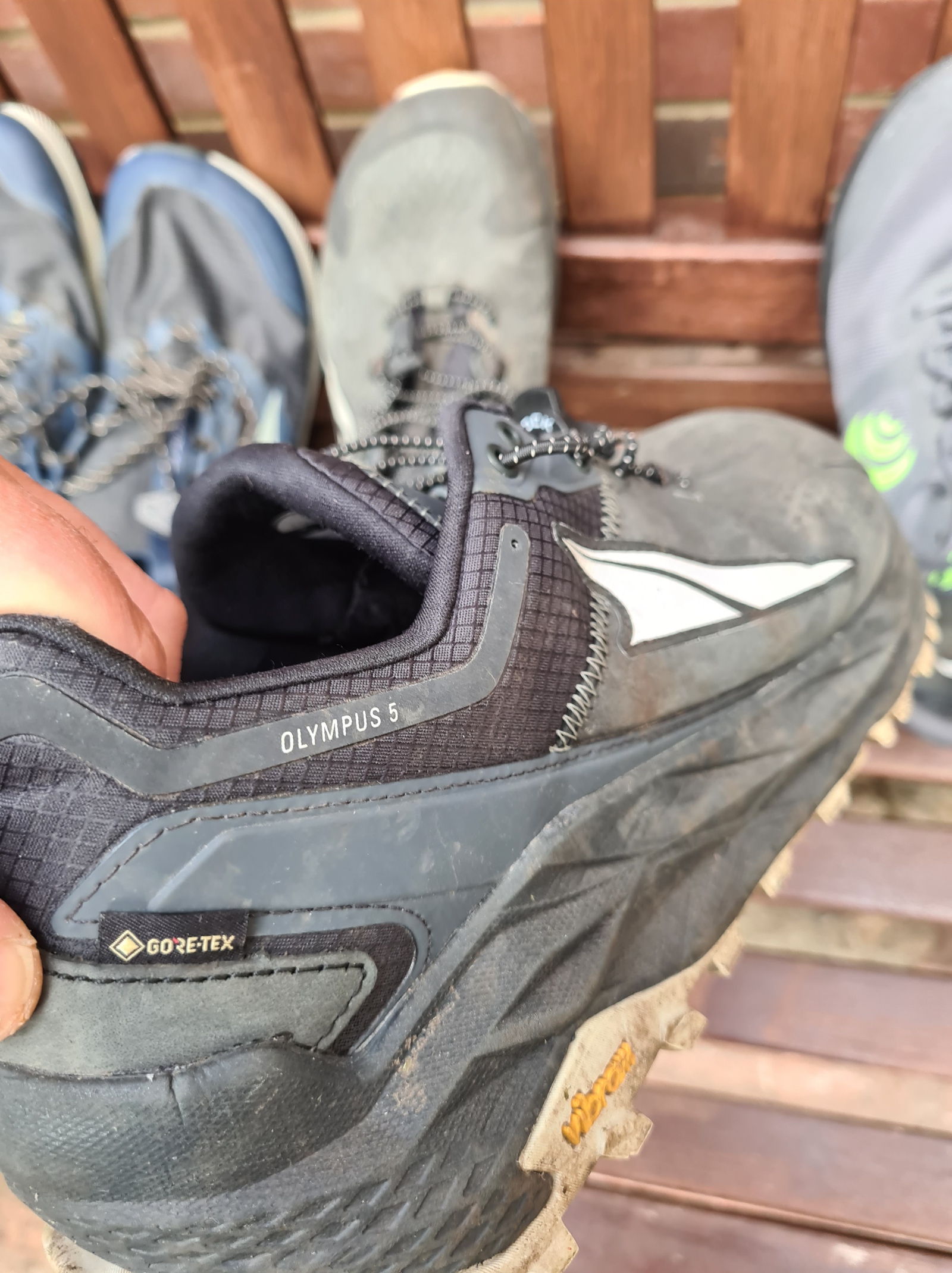
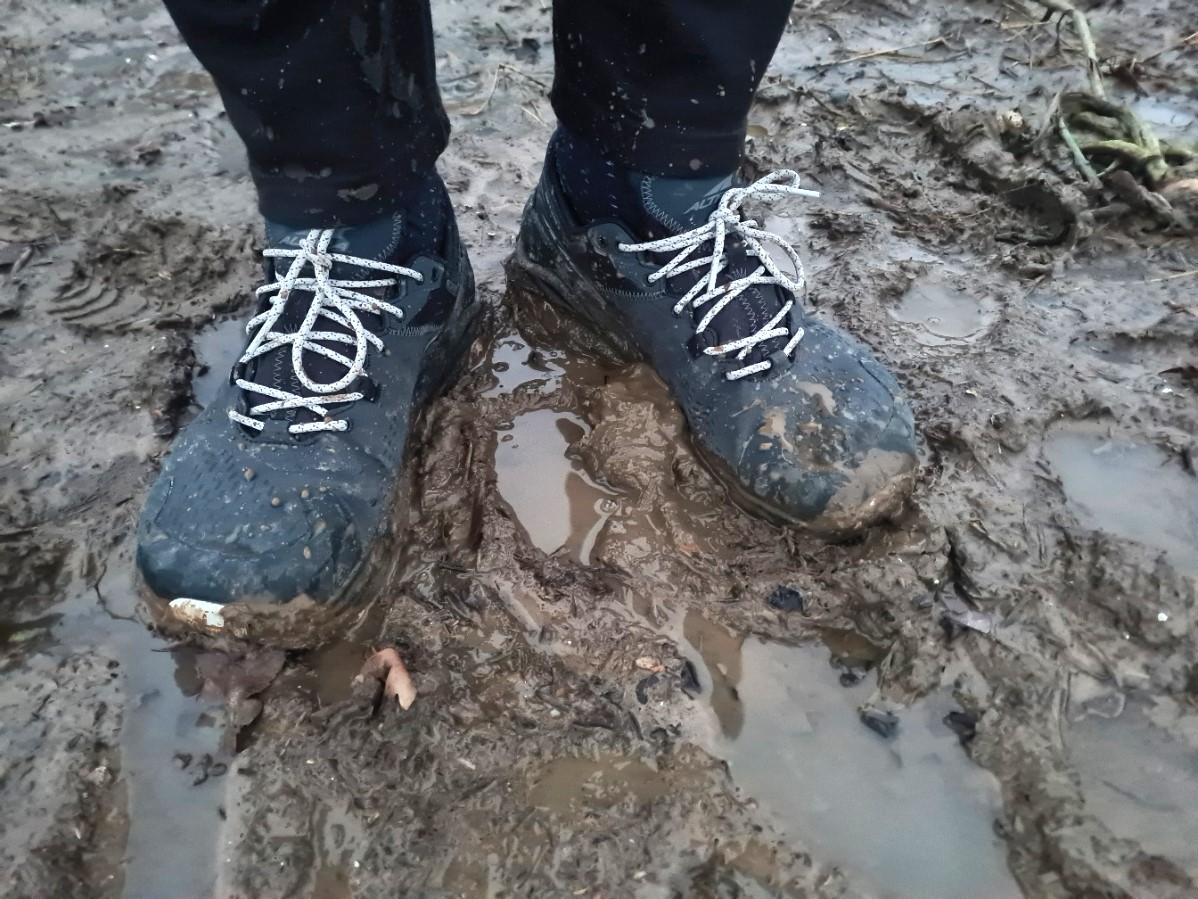
In early 2024 I decided to fit in a canal walk as part of my pre-season training. This was the 147 mile London to Birmingham Grand Union Canal. I obviously never expected hills on the way but knew it was likely to be wet and muddy on this winter walk. Overnighters were to be spent in pubs, hotels and Airbnb’s, carrying a day pack with a clean set of clothes to change into of an evening. I thought this an ideal walk to temporarily drift away from my normal breathable footwear and try waterproof trail shoes instead. I ordered a pair of Altra Olympus 5 in my now normal UK size 12 and before settling on them for this canal walk, wore them for a couple of short local hikes without issue. These shoes have a waterproof Goretex lining and improved grip with a Vibram sole that I was keen to try out. It wasn’t to be. The hike was a disaster.

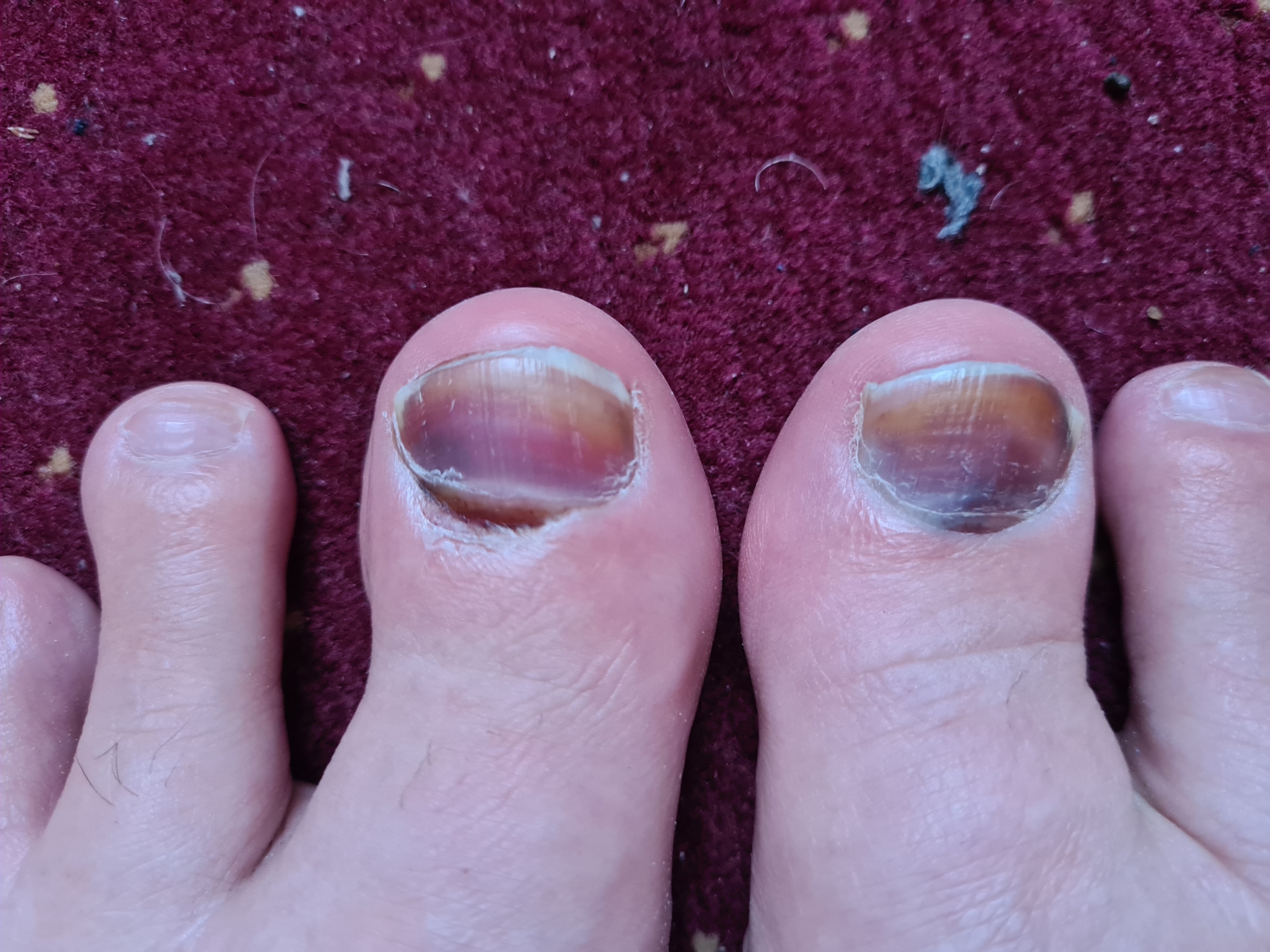
There was insufficient room within the stiff toe box and over the first three days my big toes became bruised and nails bloodied as a result. I tried pulling my heels as far back as I could and tightly fastening laces. I tried cutting a corner out of the insole to allow more room for toes, all to no avail. On day four I caught the train home. I returned to the trail a few weeks later when recovered, now wearing my standard Lone Peaks, and completed the trail in them. It was on the Corfu Trail a couple of months later in April 2024 that I painlessly pulled off the two damaged nails, shiny new ones beneath.
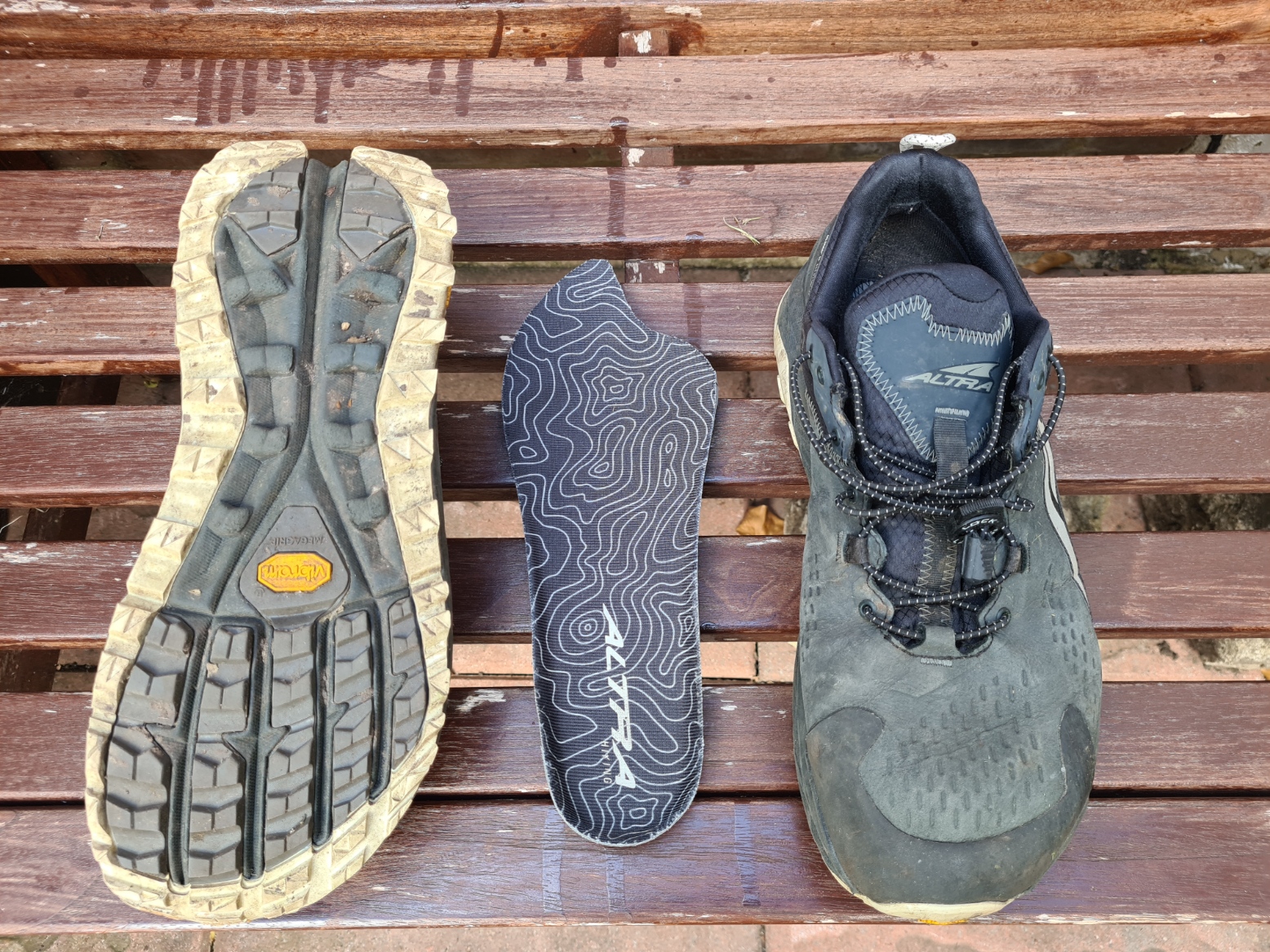
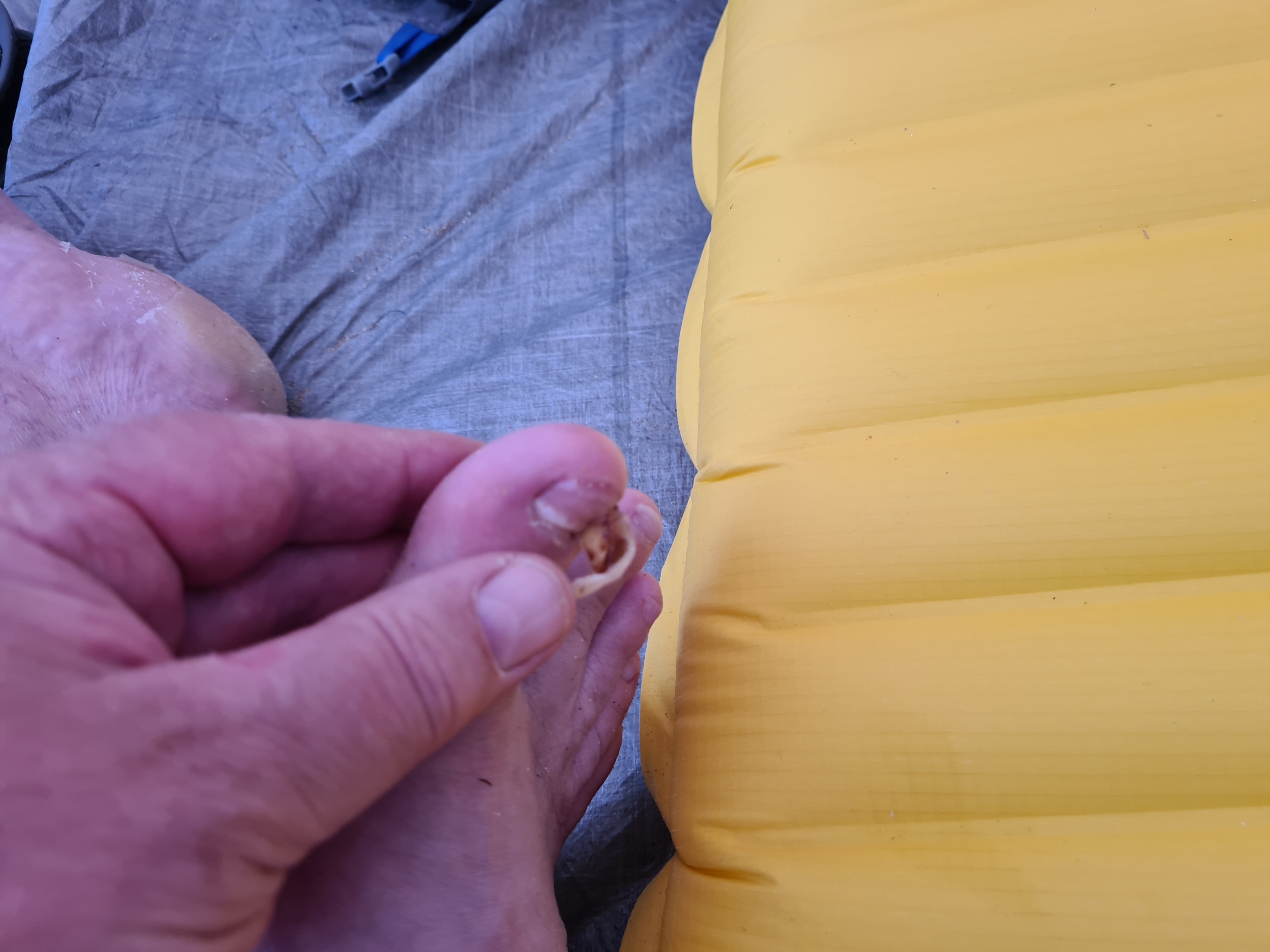
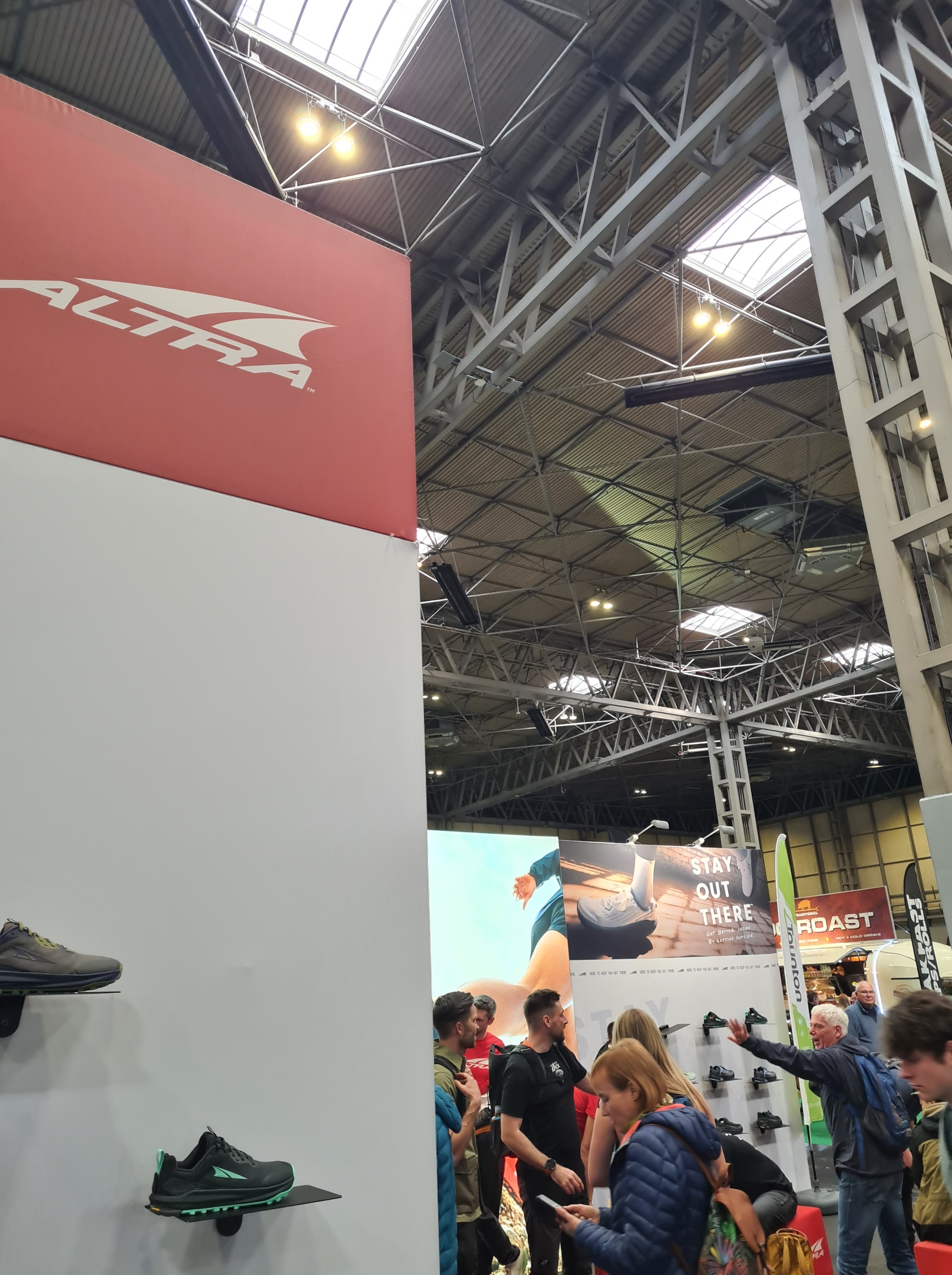
I never wore those Olympus shoes on a trail again. They now sit by the back door for gardening work. It was months until I found out what went wrong. I visited the National Outdoor Expo in Birmingham and got talking to one of the Altra reps there, telling him of my issue with the Olympus. He told me that sellers were supposed to recommend going up a half size as the waterproof membrane was thicker on early Olympus shoes, giving less room for the toes, combined with a thicker and more unyielding material that had less ‘give’. This has now been resolved. Altra has refined the lining and it is now thinner. Purchasers are now advised to stick to their standard sizing.
In common with every other brand, Altra consistently tweak their design. Each year sees some sort of change. New drainage holes, 4-point gaiter system, changes to the upper mesh, lacing system, the list goes on. In truth, I don’t really notice most of these changes. Though the Lone Peaks do appear less ‘clownish’ when compared to those early incarnations. Other changes were less welcome. Sock choice was simple. After flirting with thick socks or thin socks, thick and thin together, synthetic and toe socks, I settled almost exclusively on Darn Toughs or Silverlight, each with a high merino content and light pile.
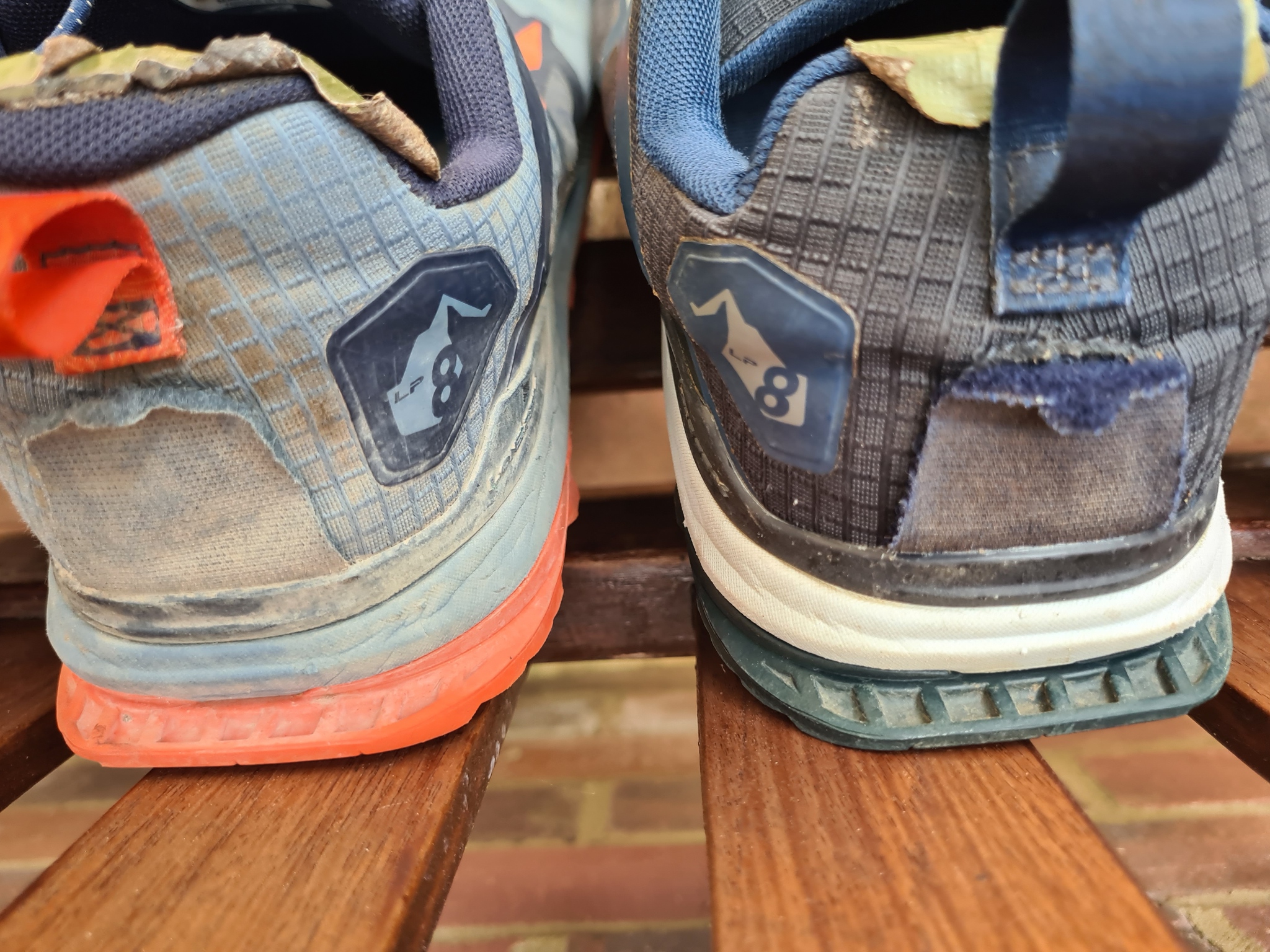
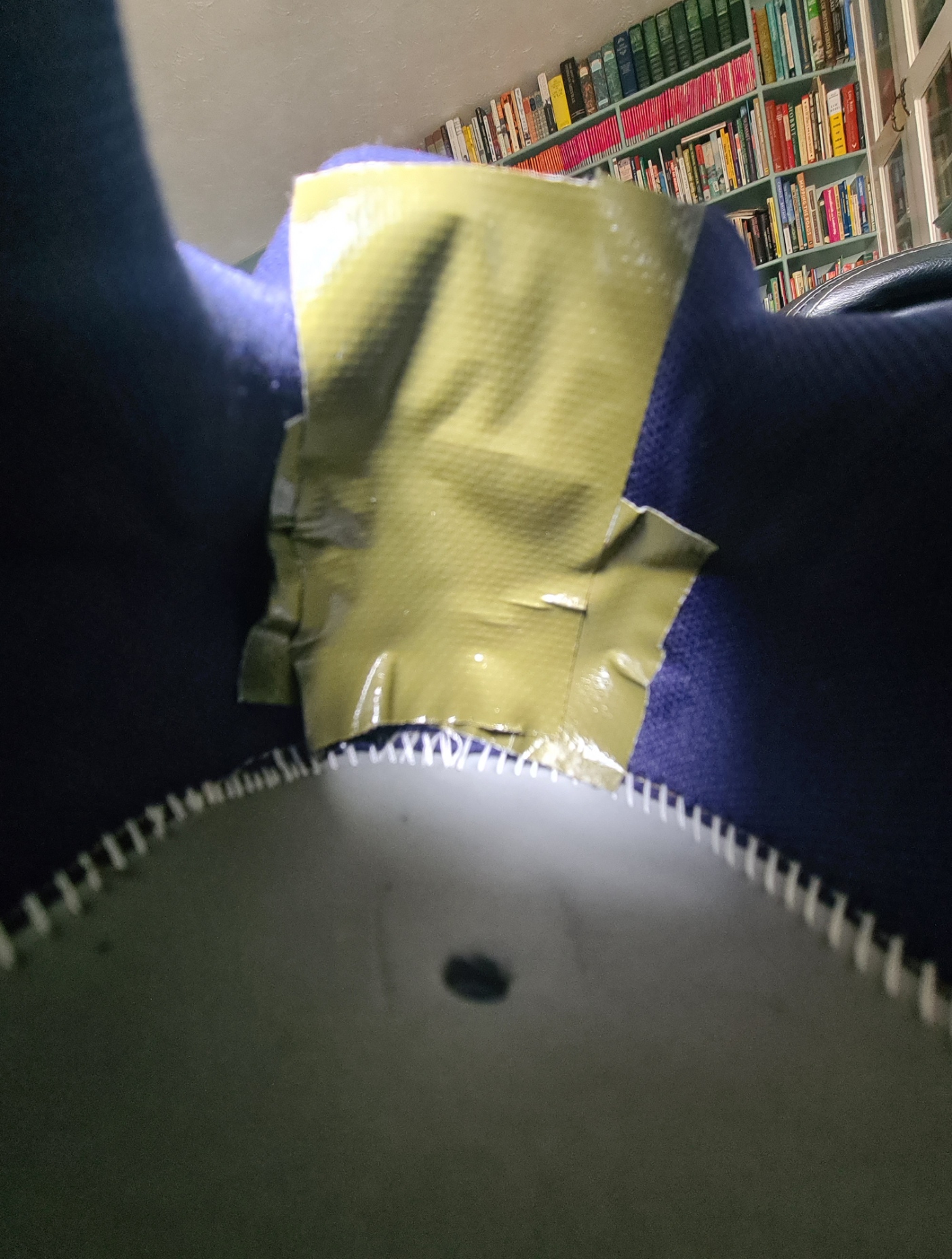
Inside the shoe, it seemed that with each year’s new model the inner lining material would be altered slightly and some years the heel cups rapidly wore through. Once I had realised that a new model was exhibiting frailty here, I began putting a patch of duct tape inside the heel cup when shoes were fresh out of the box, just to try and circumvent this. The 6s and 7’s were especially prone to wear. I discussed this issue with other owners I met. Some had the same problem, others hadn’t experienced it.
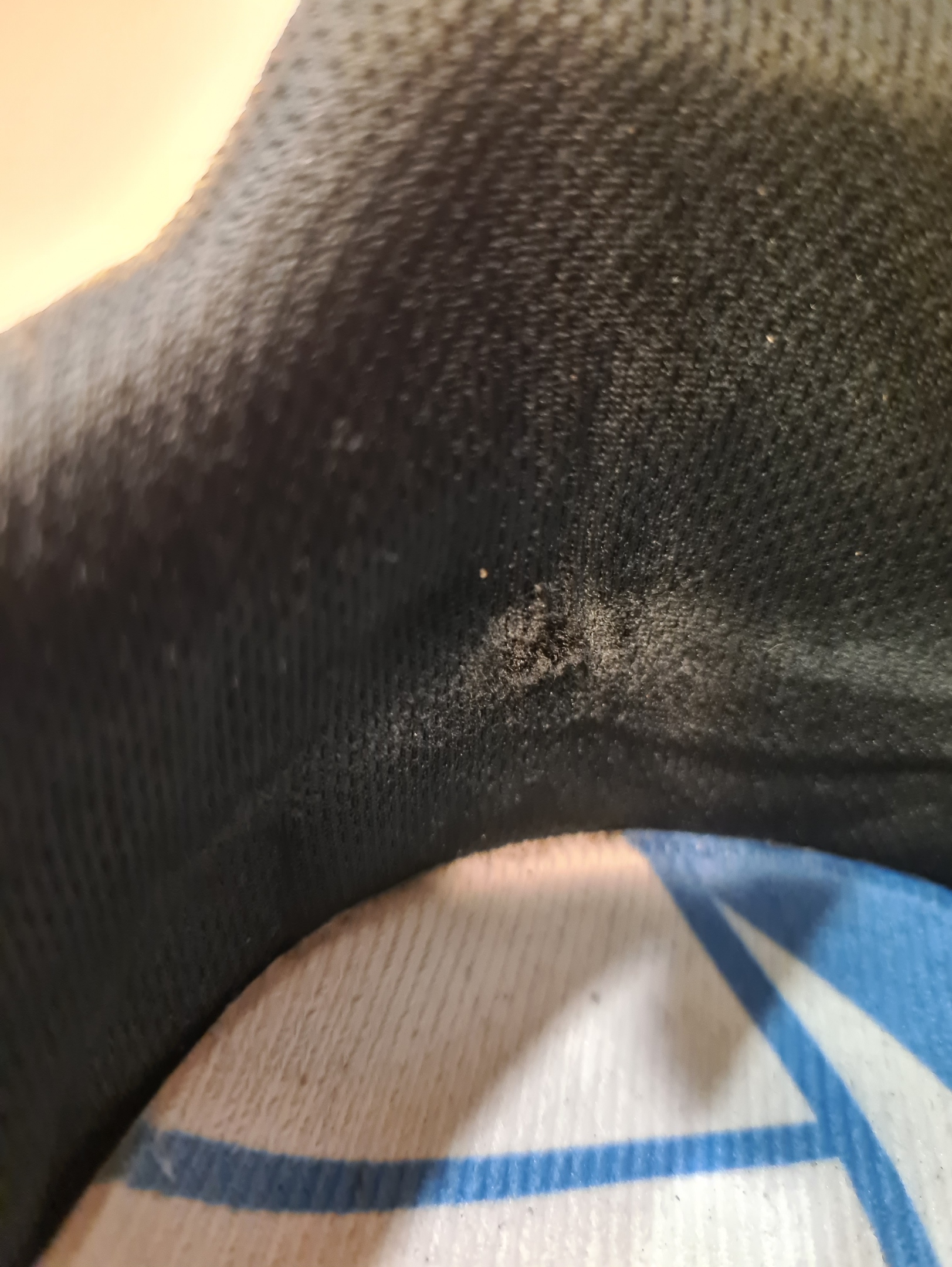
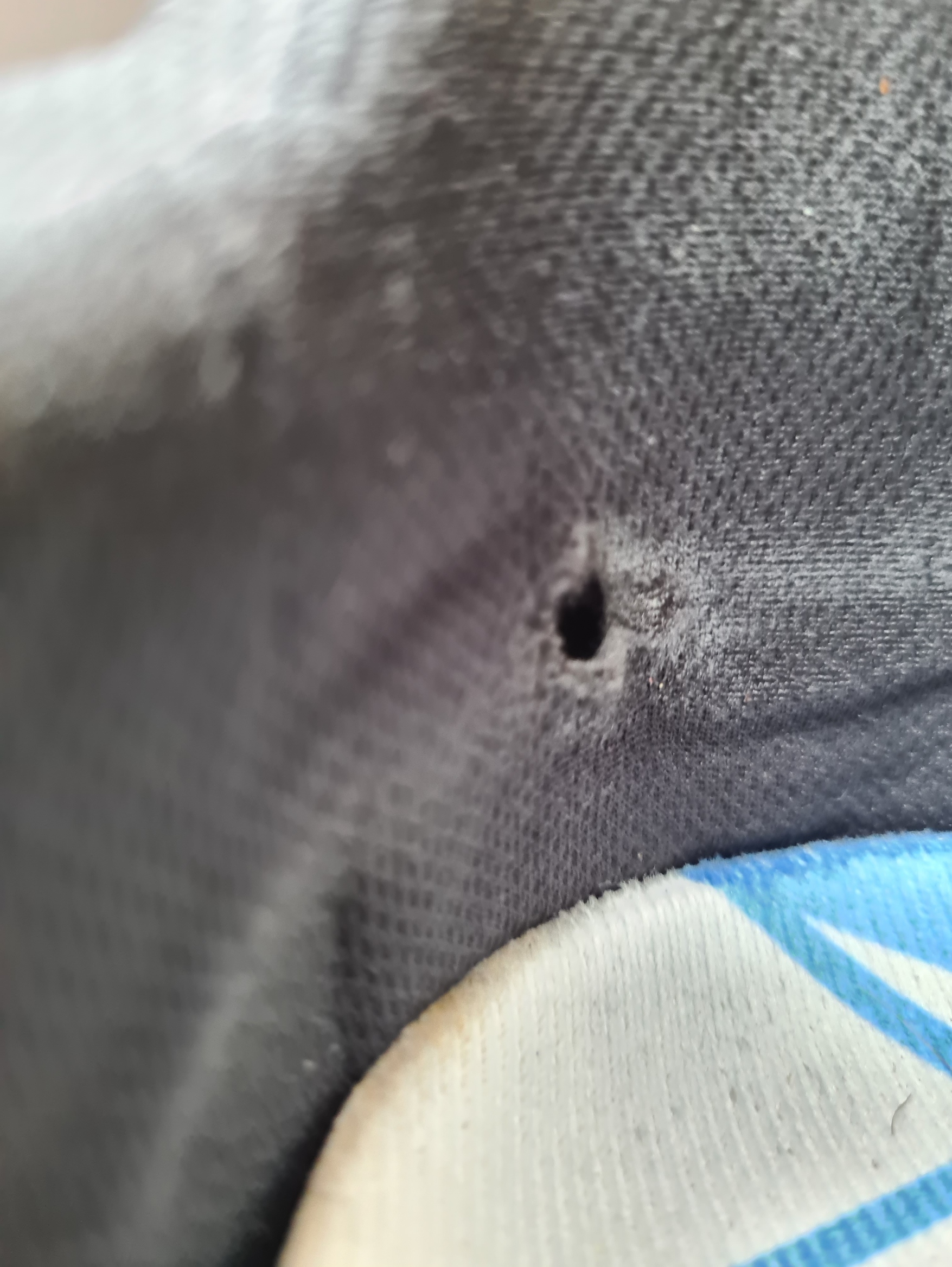
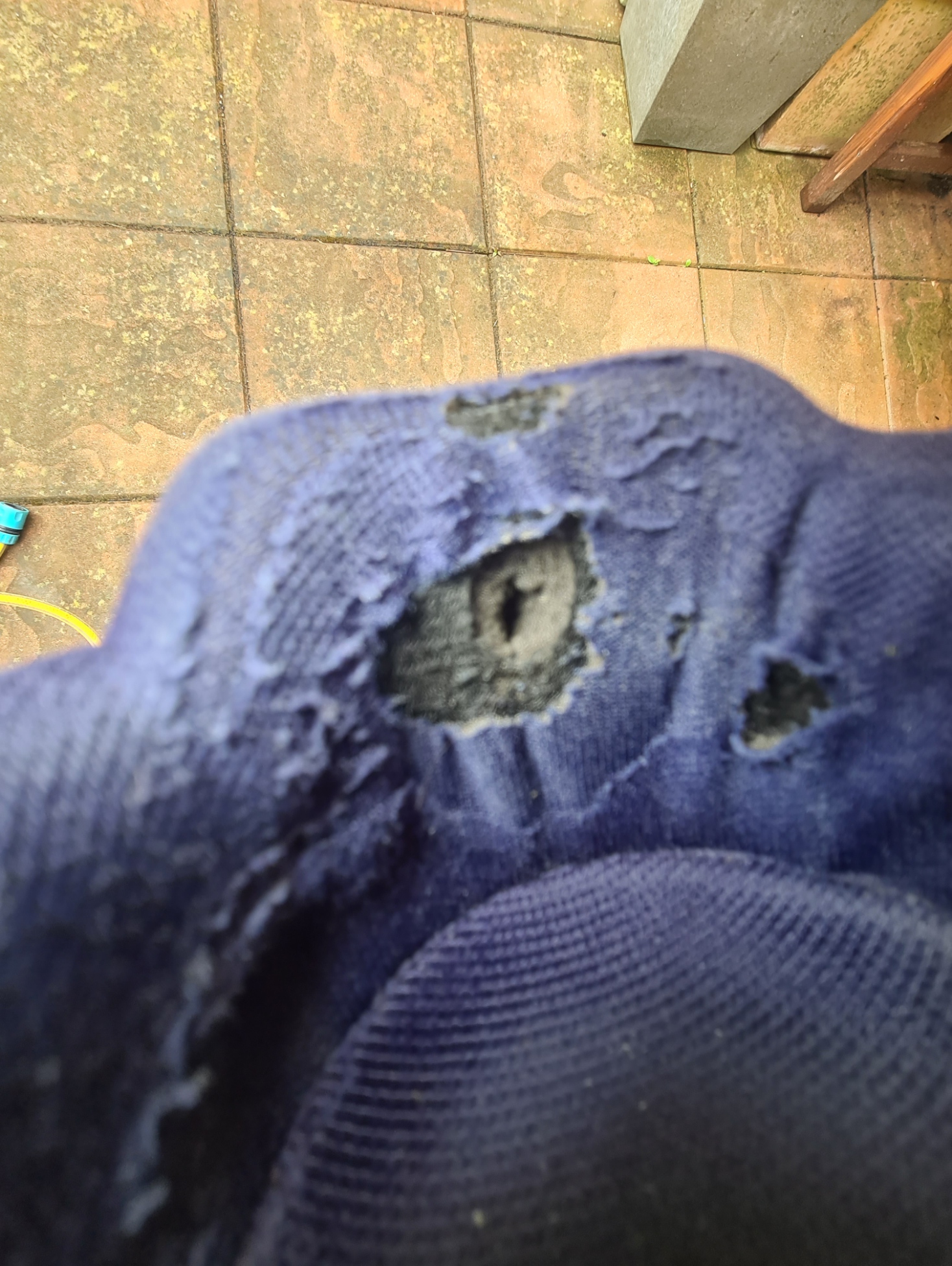
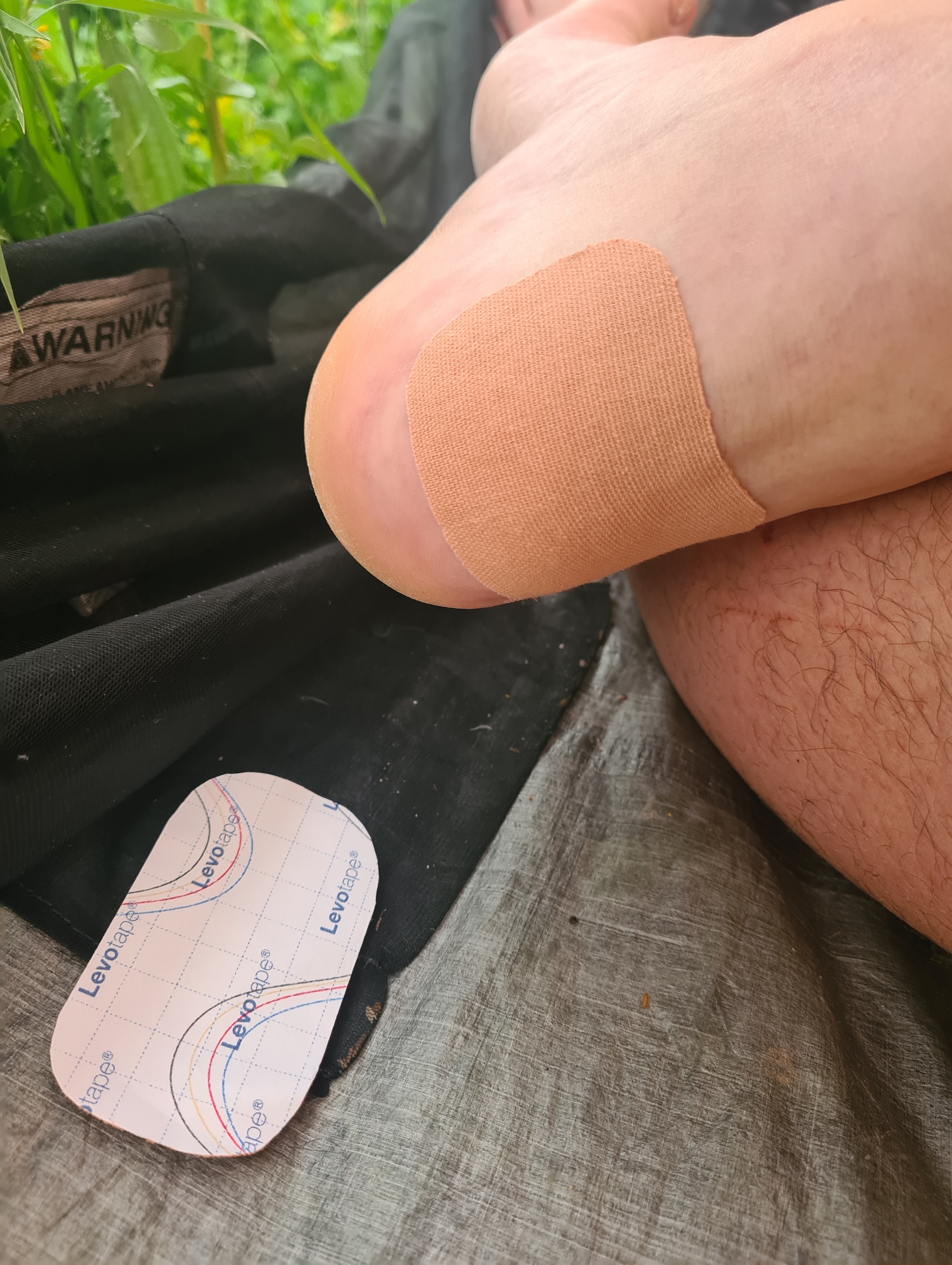
If I felt that there was a problem here, that might create rubbing and a hot spot, I began putting tape on one or both of my heels. Not always, but whenever I thought pre-emptive action might pinch off an issue before it even arose. Lunch halts would often include taking shoes off and allowing feet and socks to air and dry. Insoles were removed from the shoes to air. I still often do this, but it is not always possible, on a wet rainy day for example.
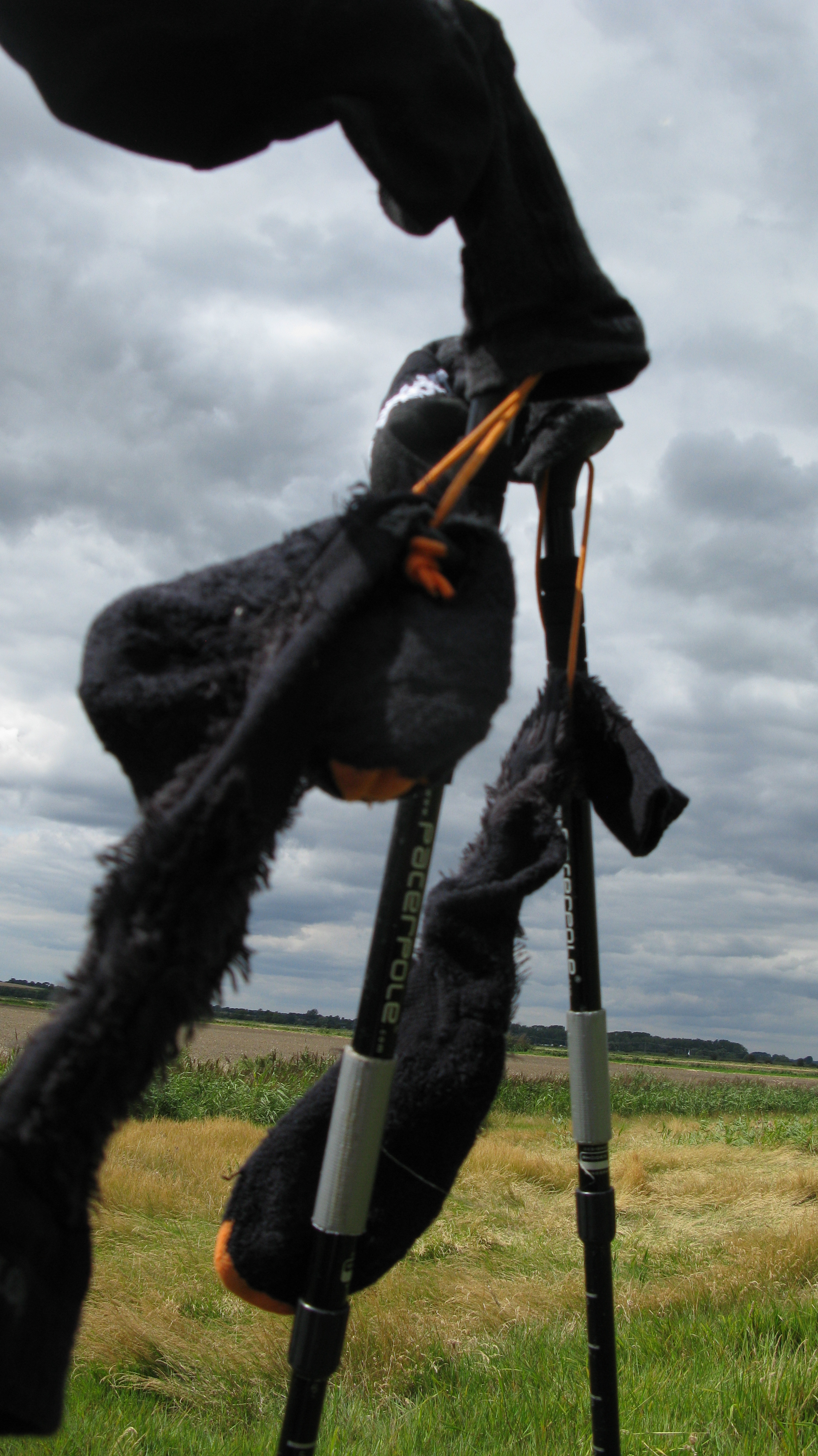
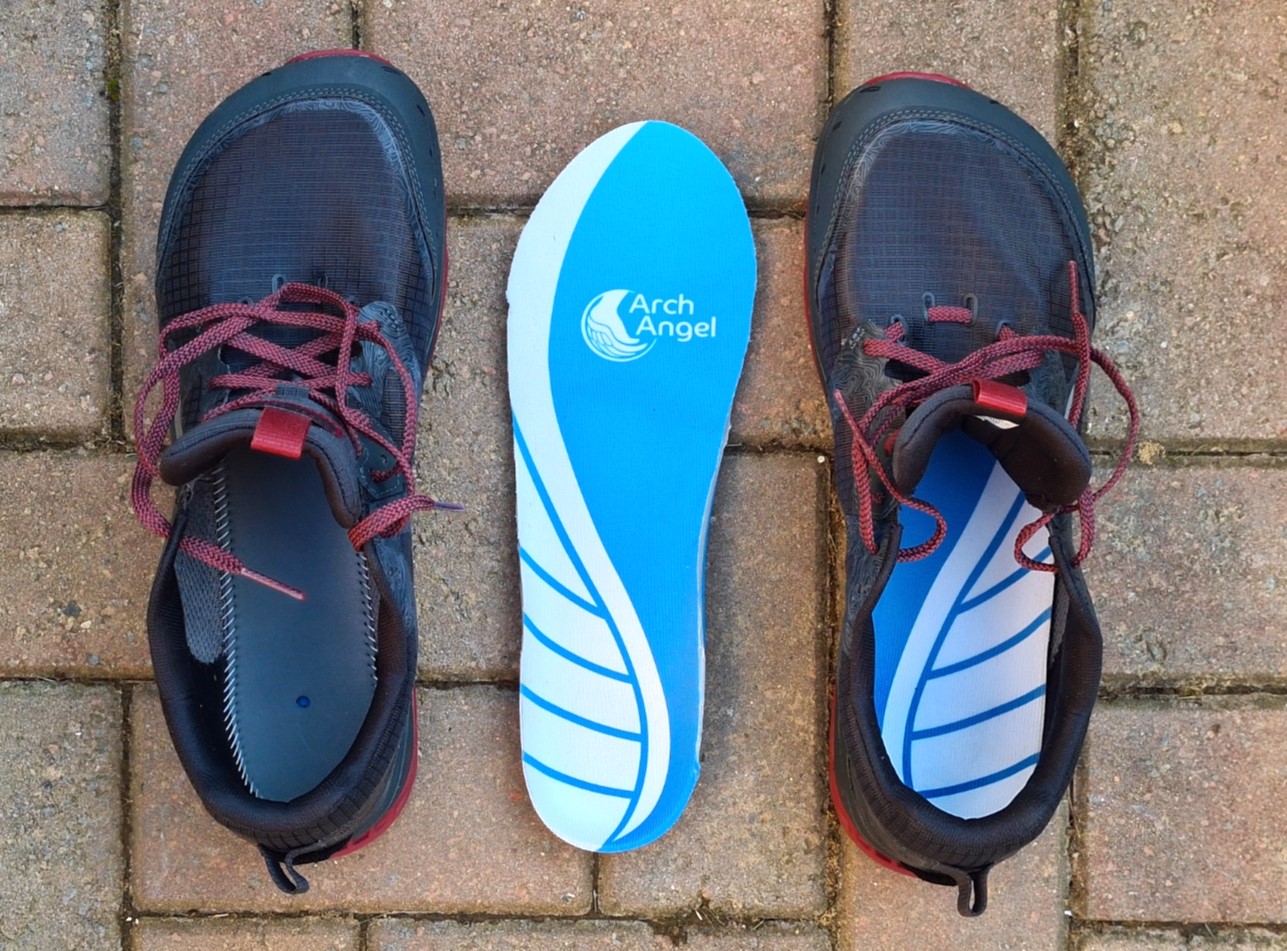
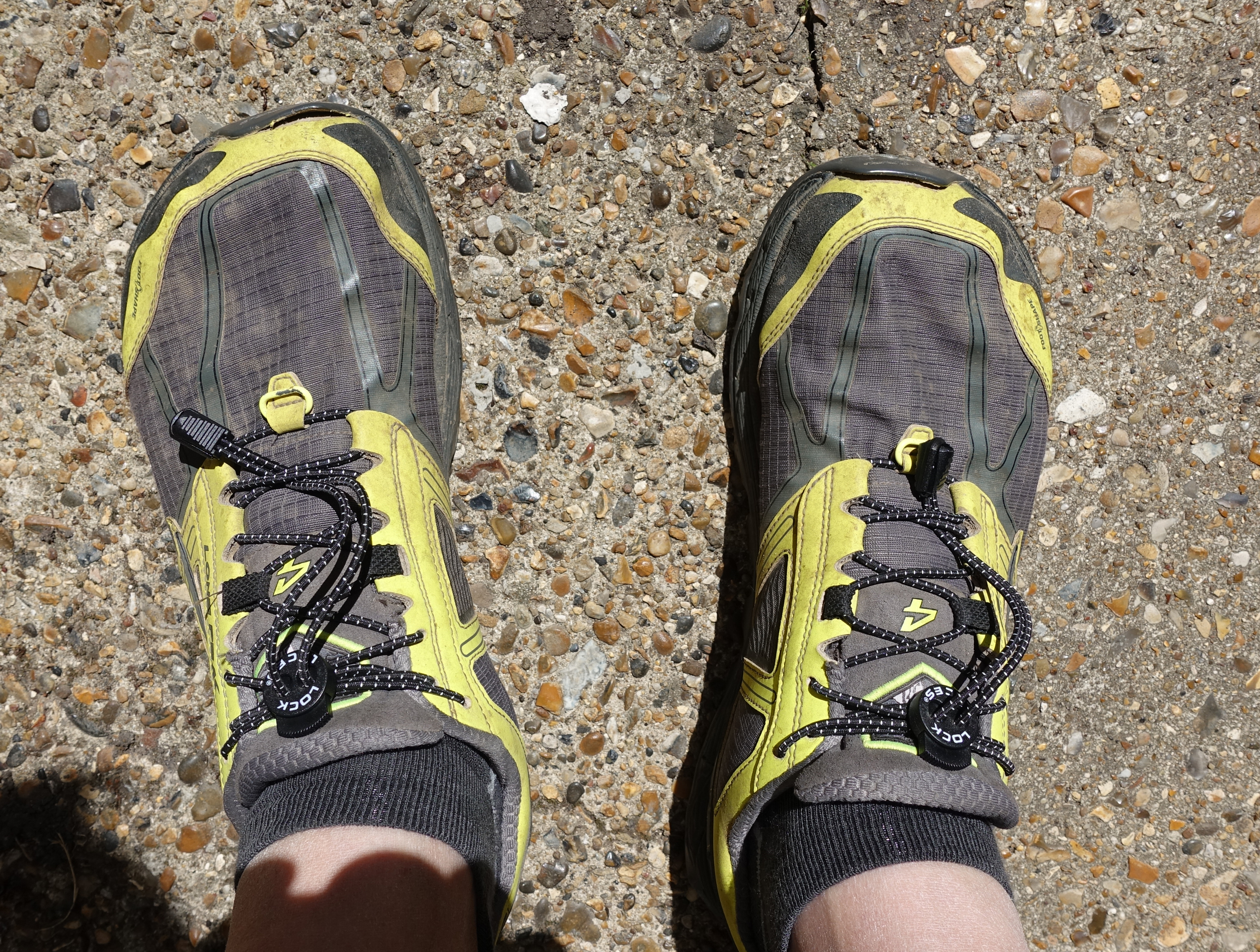
The laces on early Lone Peaks were rubbish, often slipping and coming undone. Easily solved by double knotting, but who can be bothered with that all the time. Altra eventually introduced better laces, but by that time I had begun to fit lock laces. Quickly done up, just as quickly released. If wading through glutinous mud, a quick tug and tighten stops shoes from being tugged off. Feet swelling in the heat? Bend over, three seconds to slacken off both laces. An additional cost I know, and I don’t always fit them, but usually.
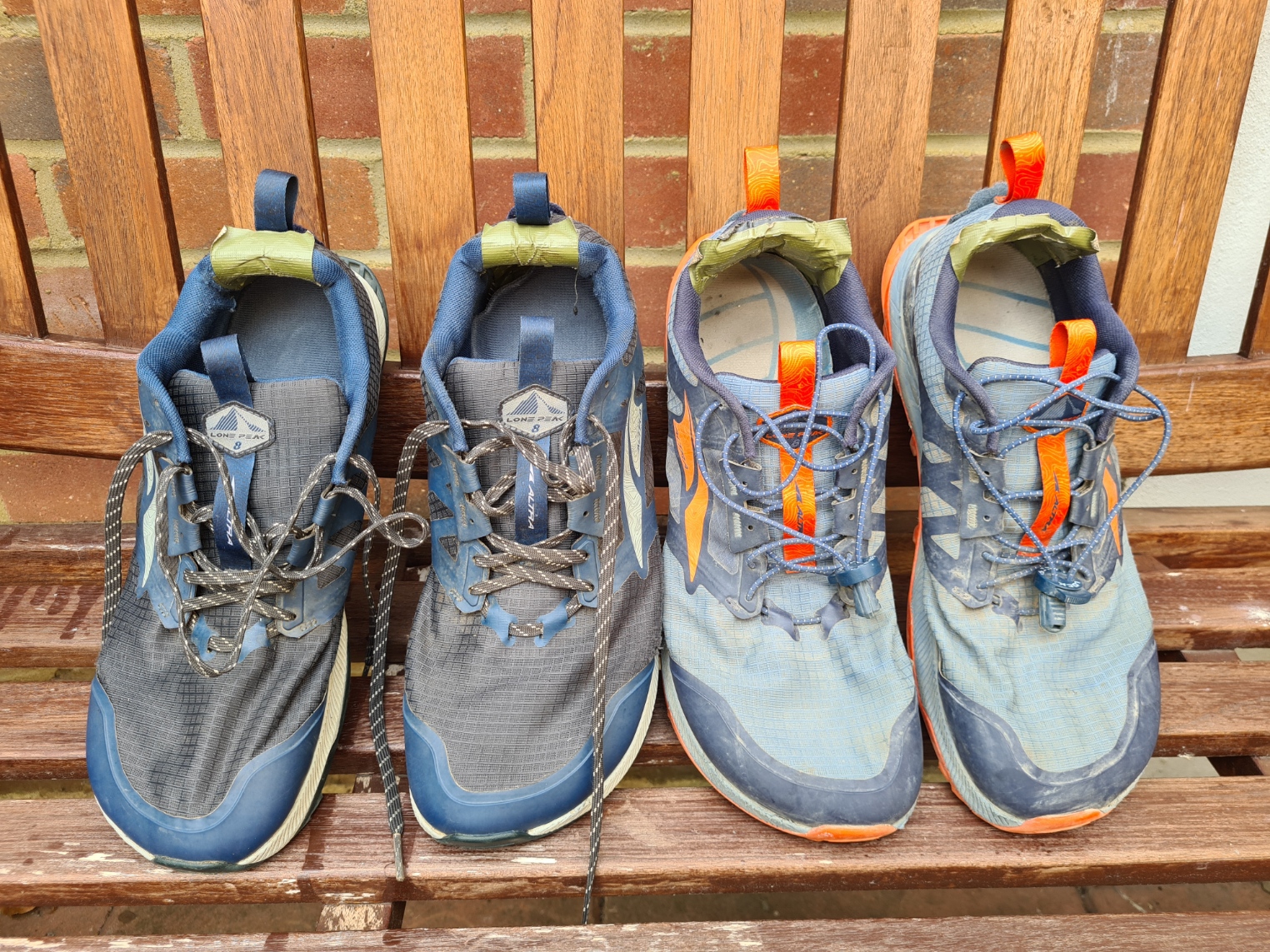
There had been another issue with those Lone Peaks. While Altras changed their tread pattern, the sole composition never improved. The soles seemed, year on year, to exhibit ever less traction and ‘stickiness’. Those old Inov8’s I tried a decade ago seemed to stick like glue to greasy rocks and the like. The Lone Peak soles wore with alarming rapidity on rockier trails. Now I had to take ever more degrees of care when descending off hills on wet rock, or crossing wet or muddy terrain. I crashed to the ground a couple of times. Not often, but it seemed that it was only a matter of time before I suffered a bad injury.
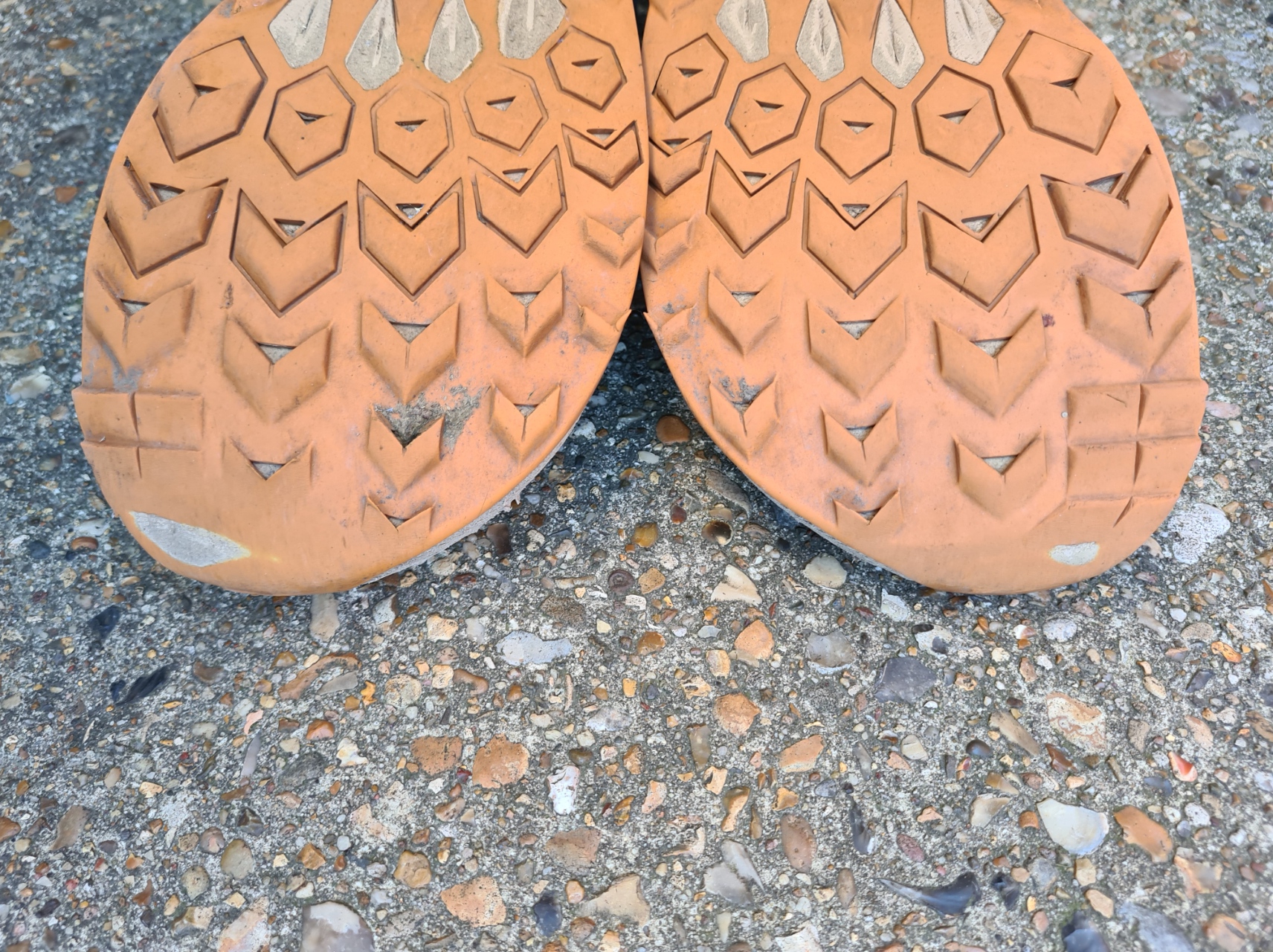
It had eventually struck home that I was now no longer loving my Altra shoes. That lack of grip was troubling. I was now wearing them with a degree of trepidation, particularly when it was wet on rough ground. Almost in desperation I looked around for what other long distance hikers were successfully using. A long and detailed report from a survey of Appalachian Trail revealed a large and loyal cohort using the Topo Terraventure trail shoes and I purchased a pair of the 4’s at the tail end of 2024. Again, these shoes had a wide toe box and seemed to fit my feet quite well. Unlike the zero drop I had now become accustomed to, these had a 3mm drop, together with Vibram Megagrip outsole. I wore them on a few day hikes without issue and trusted them sufficiently to wear them on a three day late winter hike of the Camino de Santiago de Gran Canaria. It was a hot and dry trail and almost a disaster for me. On the very first day, my feet suffered terribly.
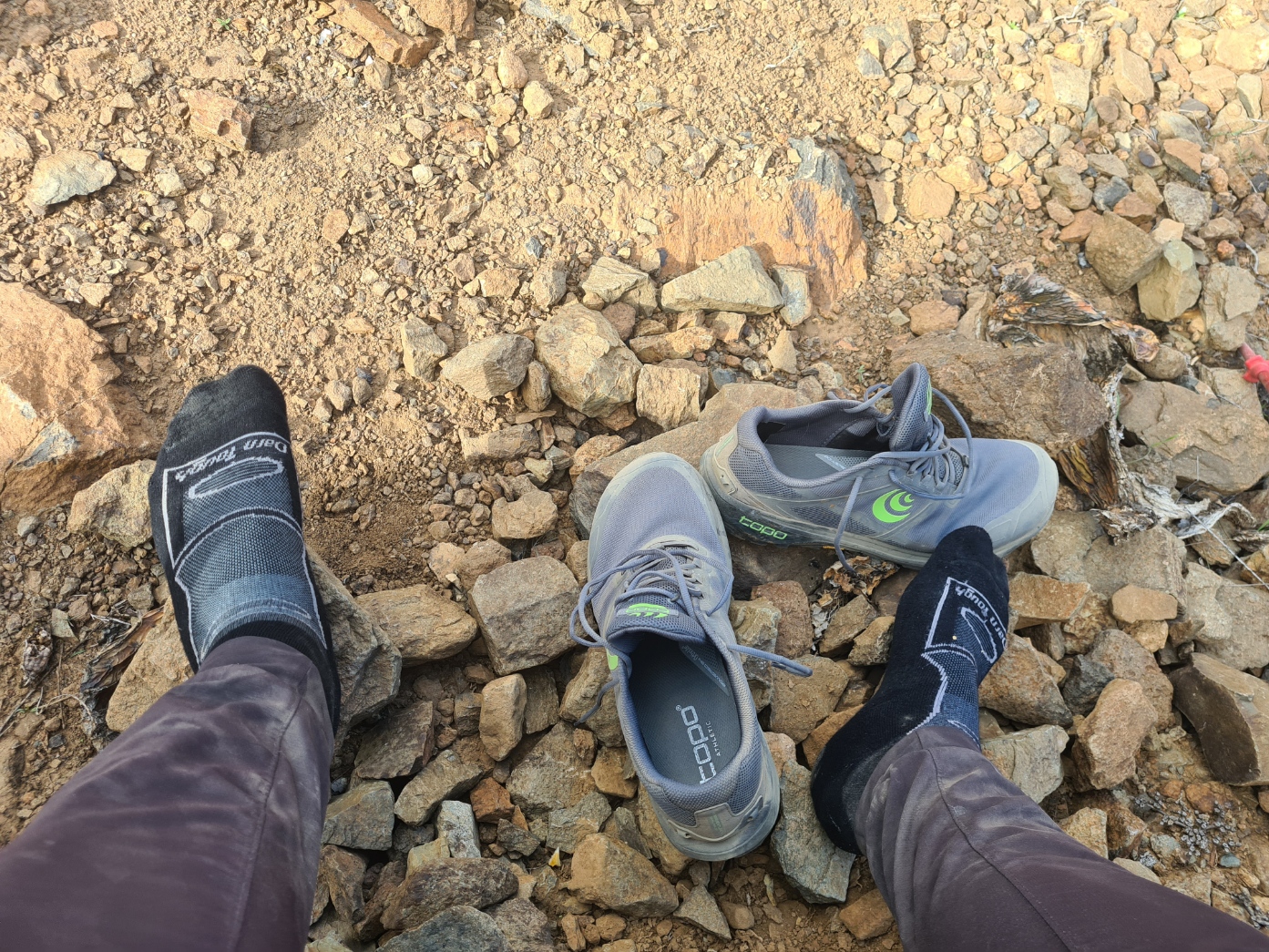
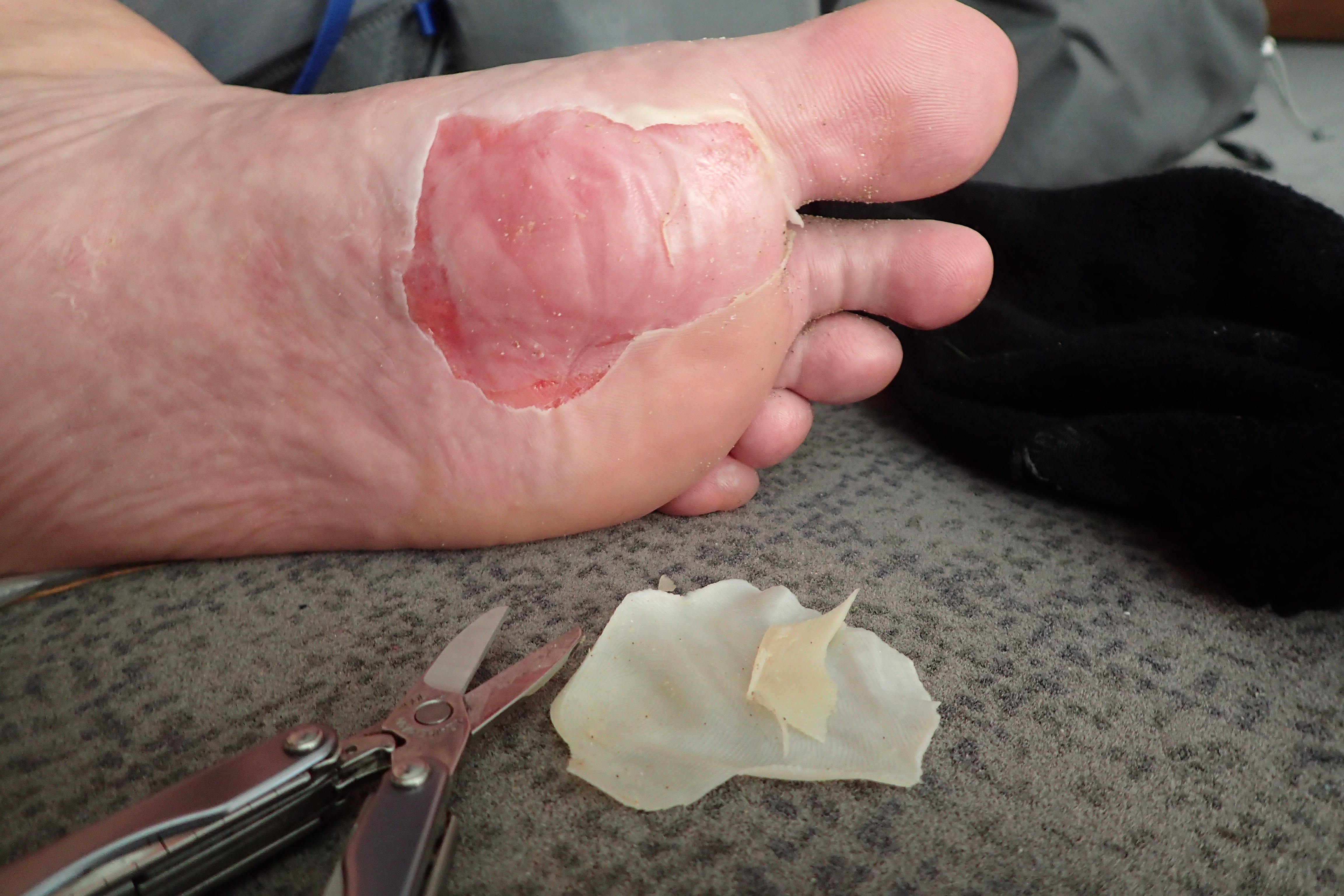
Despite having taped up both heels in advance of setting off, the skin on both heels completed delaminated and slid off, taking the tape with it. It was a painful experience and I finished that first long day thinking my trail was over. I almost wept when I saw the damage. I was supposed to be an experienced long distance hiker and I had allowed my feet to get in the worst condition they had ever been.
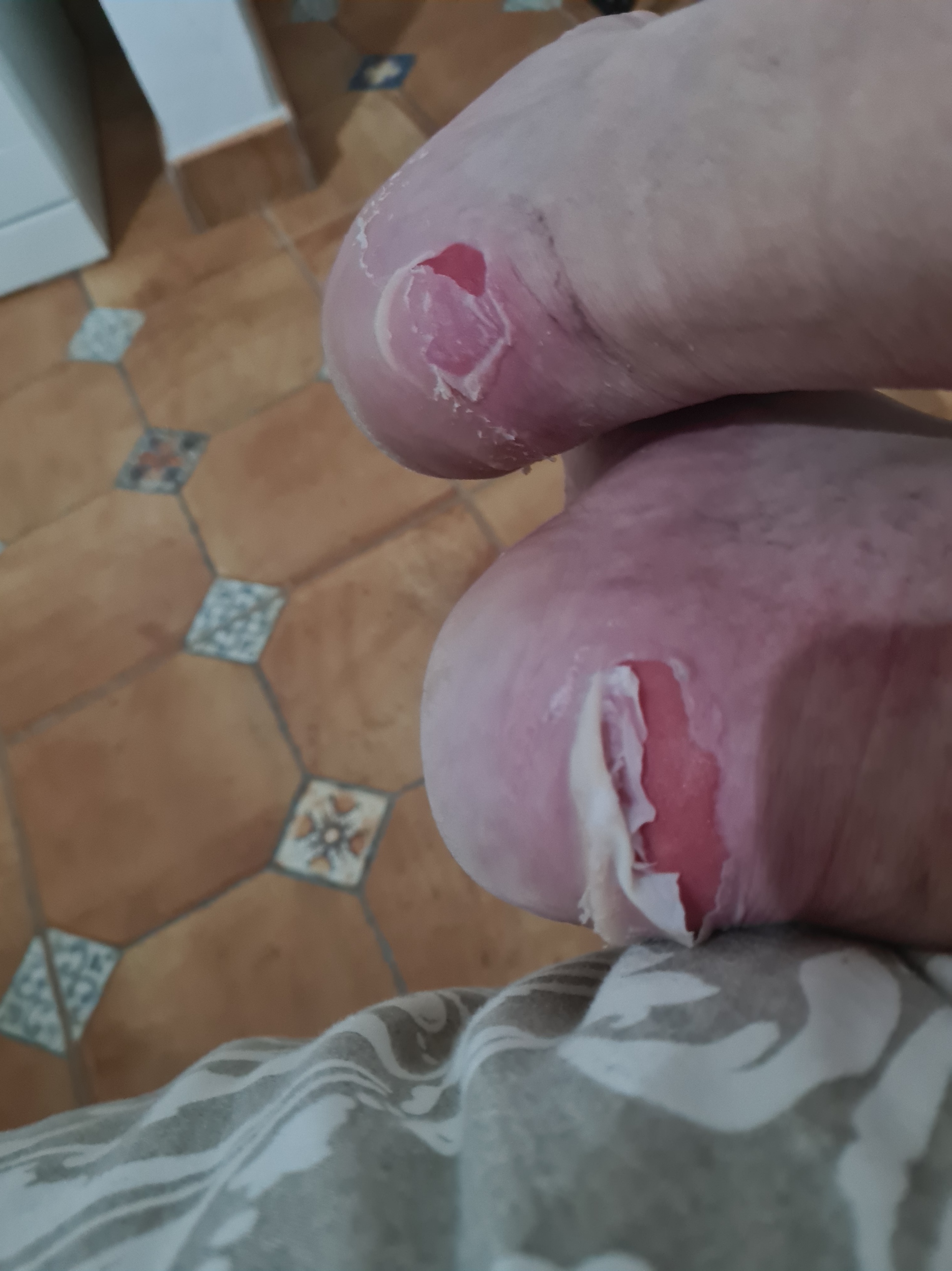
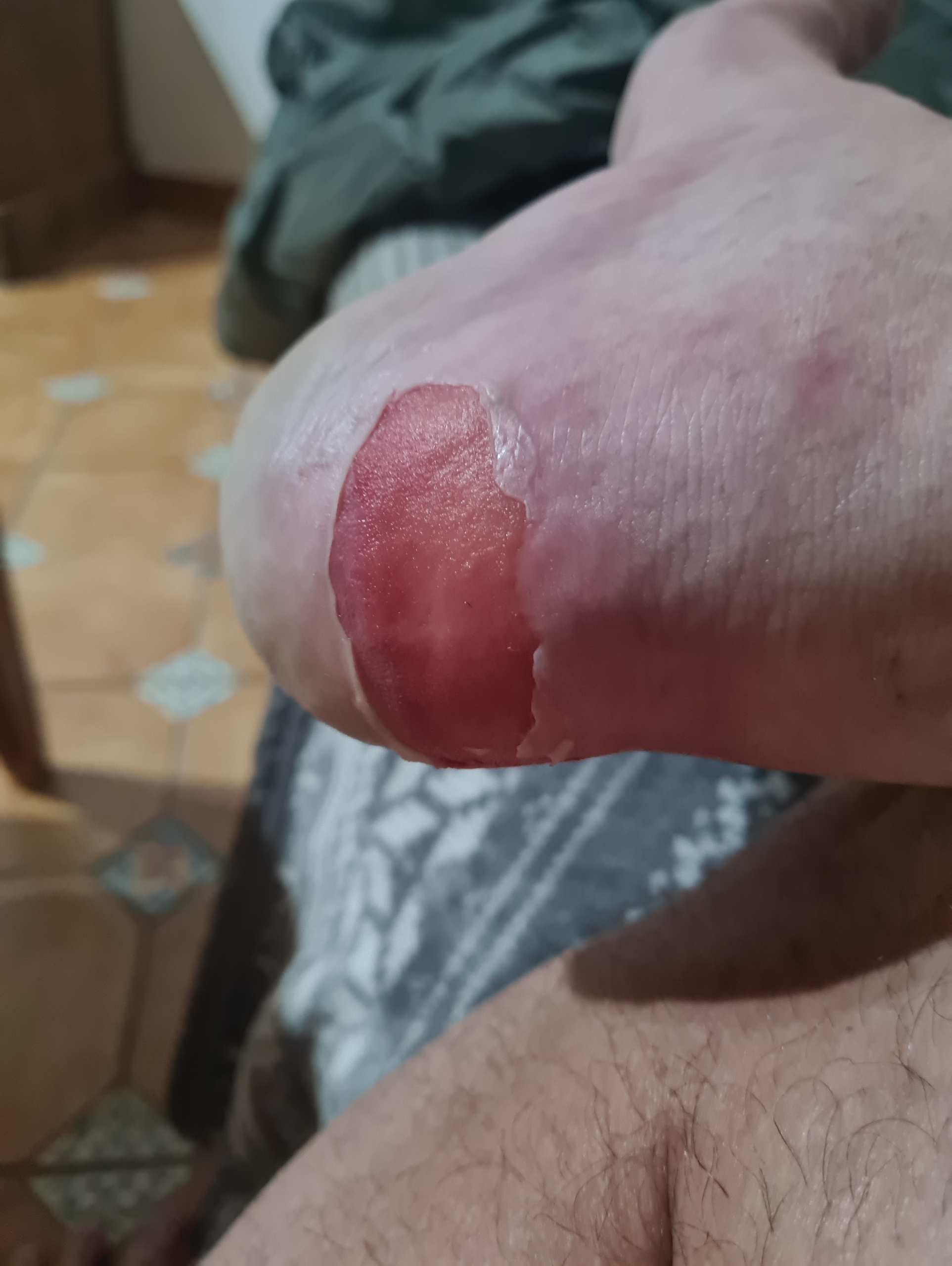
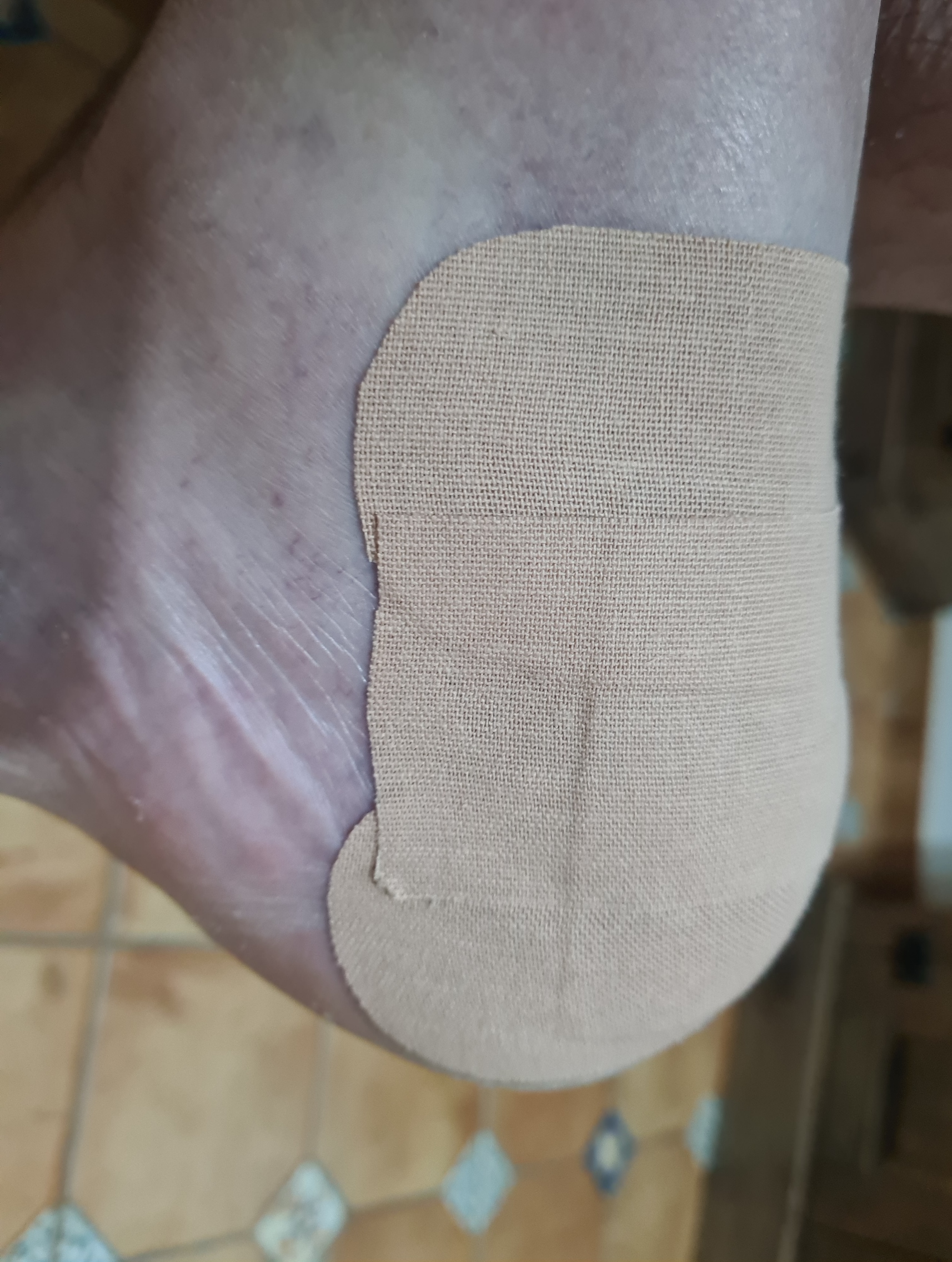
But I knuckled down, cut off the hanging skin, taped up in dramatic fashion, popped a few painkillers and completed my hike. There are three factors that usually lead to blisters- heat, moisture and friction. I had obviously realised all three on that hike. My heels had manifested more than simple blisters and I strongly suspect it was the slightly non-conforming heel cups in my new (to me) brand and model of shoe that had been a major contributing factor. I had obviously ‘got away with it’ on less demanding pre-hikes, but add in miles of hot trail and maceration from hot and sweaty feet, perhaps soft skin from lack of trail miles, to the lateral shear generated from the heel cups, and my feet suffered as a result. It will be some time before I again trust those shoes on a longer hike, if ever.
As regards my experiment with another brand, it was over, at least for a few years. A fall out from this foolishness was that I had to cancel another planned hike. My feet required weeks to repair. What had seemed at the time that it might be a new favourite proved to be nothing of the sort. Amply demonstrating that what suits one hiker might not suit another. There had been one positive from that expensive and failed trial. The Vibram soles had proved excellent.
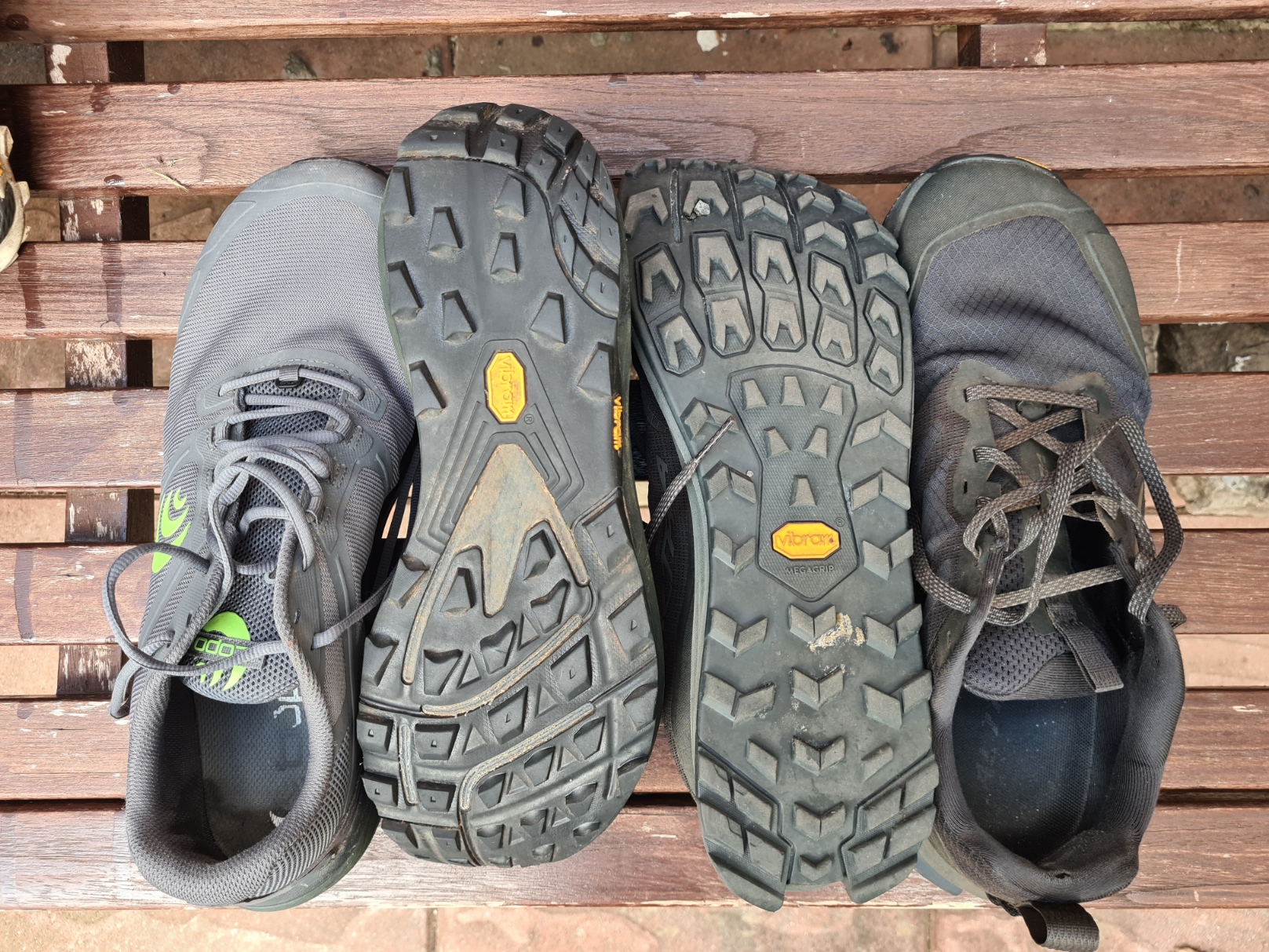
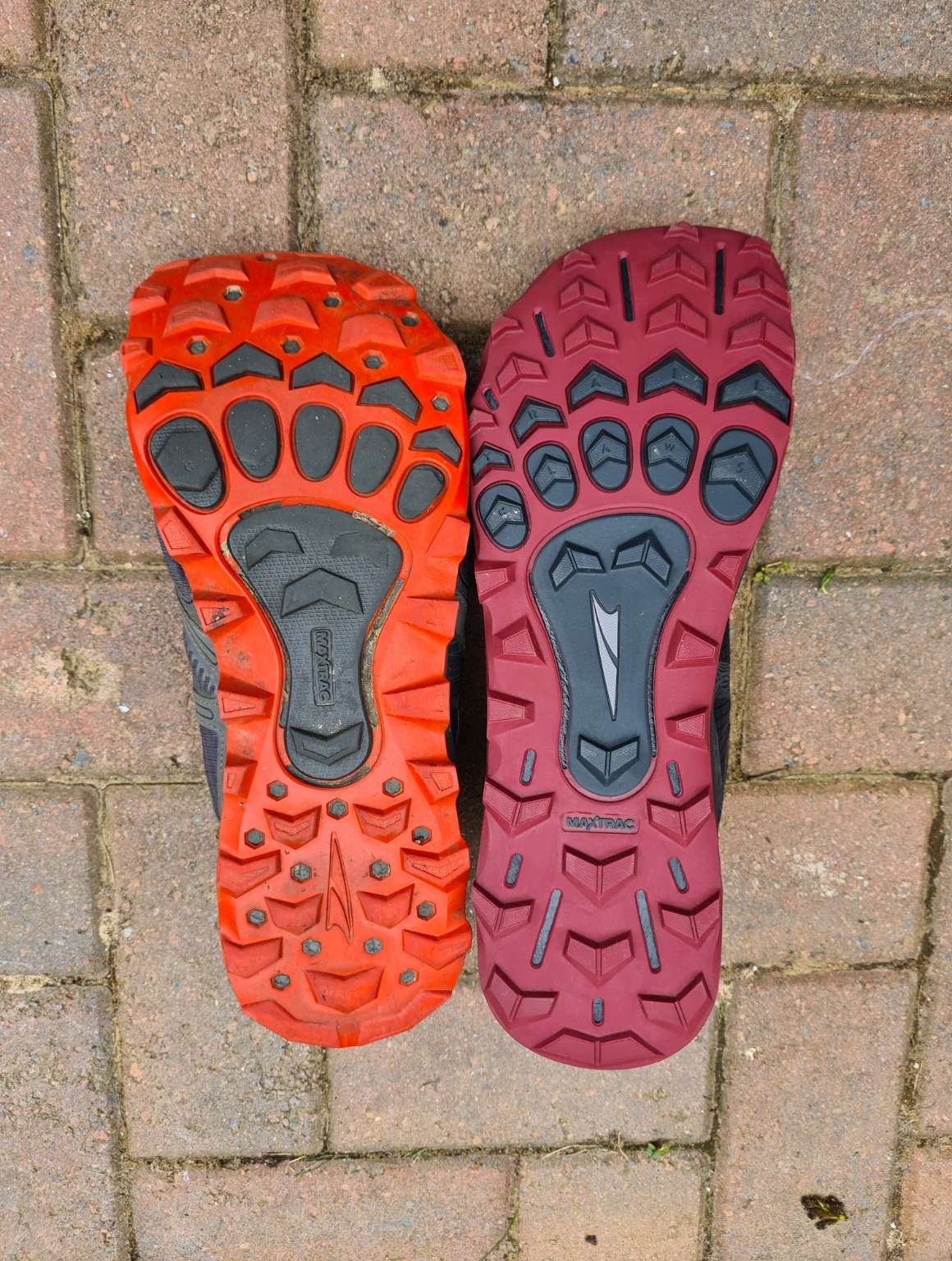
When chatting to that Altra rep in Birmingham I had enquired about the ‘new season’ Lone Peak 9+ model. I was told that following extensive and repeated lobbying by UK and European users, Altra Europe had passed on the request to the US that users wanted the much respected Italian brand Vibram soles on new generations of the Lone Peak shoe. The reply was that while these were not necessary on US trails, that a ‘9+’ model could be produced with Vibram Megagrip outsole for the European market. The standard Maxtrac Outsole would be retained for the US market on a Lone Peak 9 series.
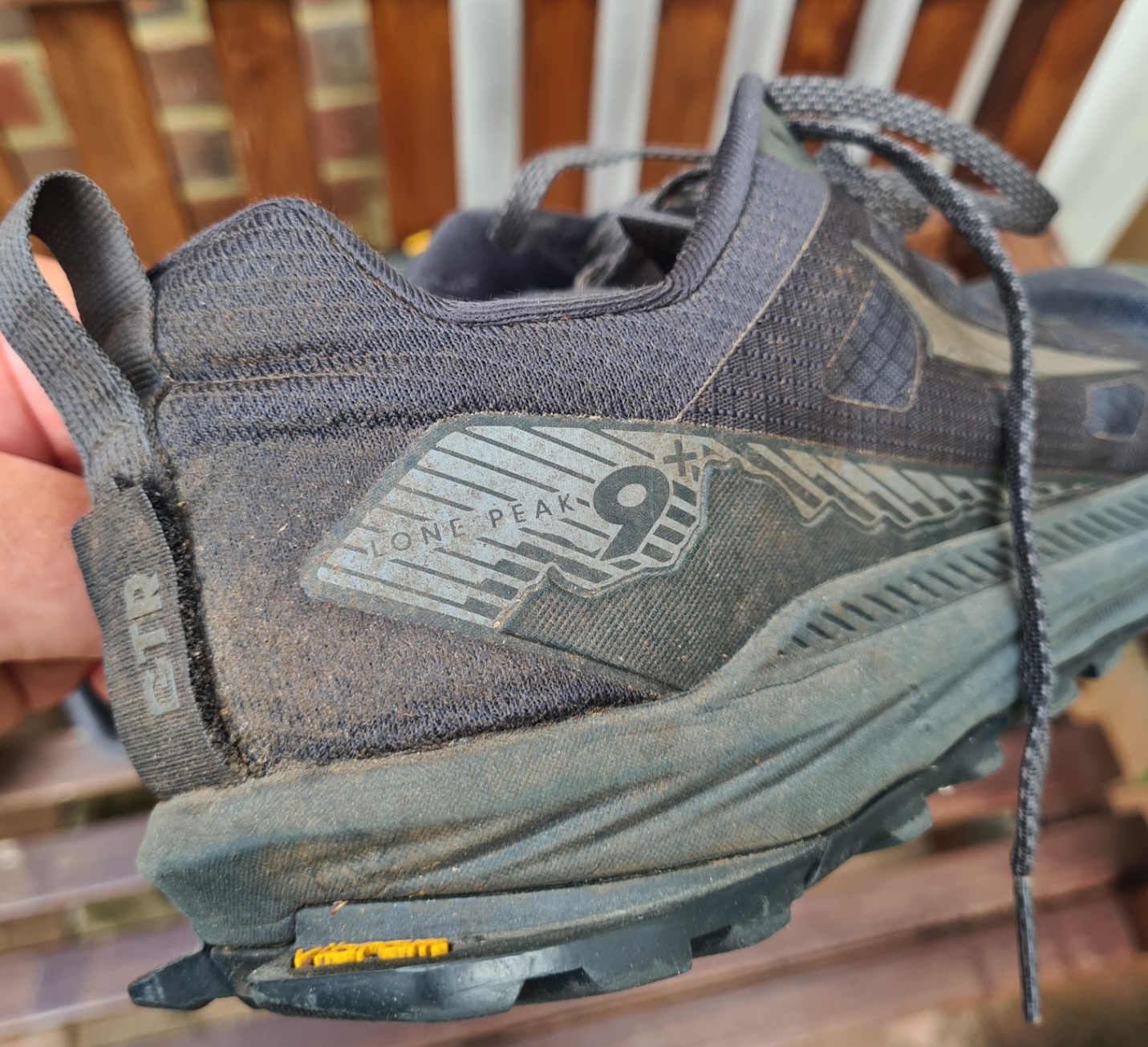
The in-house designed Trailclaw lugs remained common to both 9s and 9+. I purchased the ‘new season’ Altra Lone Peak 9+, with Vibram sole. If anything, the tread pattern on the 9+ is far better than the Topos. Walking across a smooth surface there is actually a noise from the soles unsticking themselves from the ground with each step. I have completed two trails with these shoes- first was the 156 mile Hebridean Way in May 2025, a mix of wet boggy terrain and mile upon mile of tarmac. I had no worrying issues other than a requirement for very careful foot care. The next multi-day hike with these shoes was when I walked the 87 mile Ridgeway (for the second time) in June. I was careful to tape up feet if I felt they might need it. There were a couple of days where feet were wet for many hours. While I had no issue with the shoes comfort wise, their heel cups are, of course, wearing through inside both shoes and I duct taped over them to try and prevent wear getting any worse. I had probably covered a total of around 250 miles in them. I looked around to buy another pair and found that none in my size seemed to be available in the UK. The entire years stock had gone.
If there remain issues with these shoes, you might wonder why I continue to stick with them? Why do I still buy them? Simply because they fit my feet well and with my little tweaks I can often complete a long day’s hike without noticing them on my feet. They are obviously considerably lighter than boots, reducing strain on the muscles and body. You will hear it said that boots provide support to the ankles, and trail shoes do not. I regard this a nonsense. Wearing trail shoes gives opportunity for ankle strength to be built up, while allowing a more nimble tread on the path, instead of clumping along in unyielding boots. But, to everyone their own.
And that is where I am now. I am sure that the heel cup wear issue shall continue. For the next pair, if I ever find them, I shall have to return to duct taping this. That, or try something like PeliTec pads in the heel cups. It seems to be an issue I cannot escape. No doubt I’ll also be swapping out insoles and laces too. At some point this retrospective will be updated. I hope positively.


Whilst I haven’t had any of the blister problems that you’ve had, I feel your pain with the heel cup and the sole issues. Sadly, it seems to be the price we pay for the natural toe box and zero drop. It’s good to know someone shares my love/hate relationship with Altra. After a couple of pairs of Lone Peak (5 & 6), and a few pairs of early Timp 2s, I’m now on the Timp 5. They are almost a sweet spot between the Lone Peak and old Timp for me. Roomy, adequately cushioned, and seemingly robust. Sadly, the heelcup and sole wear issues persist, so much so that Altra have refunded me in the form of a credit note for my next pair. The Timp 5 have just worn away with only 100 -150 miles on them. However, I have two new pairs in the cupboard (thankfully one for £40 on sale from JD Sports) to replace them plus the ones that will be bought with the credit note, so hopefully they will last more than 6 months. However, still a fan of trail shoes. Just wish they made them a bit tougher.
LikeLiked by 1 person
Thanks for commenting. I am on the final few miles of the Ridgeway as I reply. Both heel cups on the Altra Lone Peak 9+ already wearing through!
LikeLike
I had always used cascadias for a long time, then I started getting very painful heel edge blisters while traversing the Pennine Way in 2021, which soured our relationship.
I then swapped out to a pair of Asics Gel Ventures, and while a little narrow in the toebox at first, once broken in, I found fit my feet perfectly – and happy I was for a few years
Low and behold, they changed the design in 2024 and I had to resort to taping my heels every fews days on hikes and now for 2025 I’m currently trialing a spare of Hoka Speedgoats in wide, which are not as wide as hoped for! The search goes on!
LikeLiked by 1 person
I never tried any Asics PJ. That is part of the problem. Either the unicorn is out there, undiscovered, or the manufacturer ‘tweaks’ what was right, and it no longer is
LikeLike
You can get heel protectors which strengthen shoe heels.
I saw a youtube video recently talking about the learning experience of using a staff with viking shoes. The basic point was that everyone used a staff to protect against the slippy soles. My experience with walking poles tends to go in this direction in that they have saved me from accidents.
LikeLike
Yep, I’ve been using Pelli-Tec pads for Mrs Three Points of the Compass and am considering them for the Lone Peak heels too.
As to use of poles, I take them on every longer hike. Have often saved me from a slip, but not always. I bent one like a banana when I landed on top of it when I slipped on the Skye Trail
LikeLike
A pretty in depth analysis Jools, as usual. You should have put a health warning on with all,those pictures of wounded feet! I think most things, including boots and shoes are never as good as their previous versions. Whether it’s built in obsolescence or a drive to cut costs who knows. I generally go for mid, fabric boots most of which have gore tex which as you have noted doesn’t last long and I get about two years out of the boots as a whole. Used to always be Meindl but swapped to La Sportiva a few years back.
LikeLiked by 1 person
Thanks Jim, my trials, unfortunately, continue!
LikeLiked by 1 person
Thanks a very interesting view on footwear. like you hung up my old faithful Scarpa boots, when I stopped ‘bog hopping’. Now the walks are on old mining trails and the SW coast path, tried walking shoes, but missed the ankle support, so settled for Lowa fabric boot
LikeLike
Pleased to hear you found something that works for you. Are the Lowa lower ankle and lighter? Are they waterproof or water resistant?
LikeLike
They are the Lowa Zephyr gtx 2. fitted like a glove from the first wear and no problems. Yes much lighter, as I don’t ‘bog hop’ any more, only the odd muddy farm track. I haven’t tested the water resistance, and durability.
LikeLiked by 1 person
Good to hear you found something that fitted, and suited, “out of the box”. An all too rare an occurrence. Now watch Lowa change the design…
LikeLiked by 1 person